
Planting
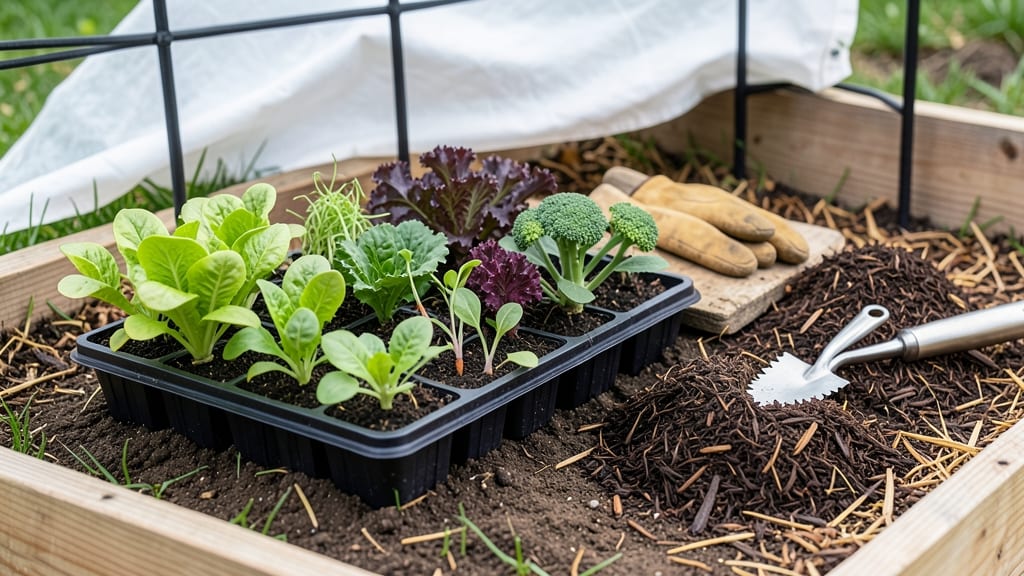
Planting a garden in Ohio after the last frost date—typically mid-April to mid-May—sets you up for a thriving harvest, but timing is everything.
Ohio’s unpredictable frost dates can turn a gardener’s dream into a risky gamble—unless you know the exact timing for each crop and microclimate. Get your planting schedule right, and you’ll enjoy a bountiful harvest; get it wrong, and you might end up with bolted greens or frozen seedlings.
In USDA Zones 6a-6b, cool-season crops like peas and spinach can go in as early as March, while warm-season favorites like tomatoes and peppers need to wait until after May 10—when soil temperatures hit at least 50°F.
Below, I’ll break down the best windows for every type of plant, plus how to stretch your growing season with simple tricks.
Whether you’re a first-time gardener or a seasoned pro, this guide will help you avoid common mistakes—like planting too early or ignoring soil warmth—and get your 🌱 off to the best possible start.
Ohio’s frost dates by zone: when to plant cool-season vs warm-season crops
Ohio spans USDA Hardiness Zones 5b to 6b, where last frost dates range from April 15 in southern Ohio to May 15 in northern regions. Meanwhile, first frost arrives between October 15 and November 1, depending on elevation and location.
These dates create a 165-day growing season on average, but microclimates—like urban heat islands or valley bottoms—can shift timing by 1-3 weeks.
Understanding these variations is key to avoiding frost-damaged seedlings or bolted greens. Cool-season crops like lettuce and peas thrive in spring’s chill, while tomatoes and peppers need warm soil and air to germinate. Below, I’ll break down planting windows by zone and how to adjust for your specific microclimate.
Here’s a quick reference for Ohio’s frost-free timeline by zone and crop type:
| Crop | Planting Window | Zone 5b (North) | Zone 6a | Zone 6b (South) | Notes |
|---|---|---|---|---|---|
| Peas | Early Spring | March 20 - April 15 | March 15 - April 10 | March 1 - April 5 | Direct sow; tolerates light frost |
| Lettuce | Early Spring / Fall | March 25 - April 30 | March 20 - April 25 | March 10 - April 20 | Bolt-resistant varieties for summer |
| Spinach | Early Spring / Fall | March 20 - April 20 | March 15 - April 15 | March 5 - April 10 | Use row covers for late fall |
| Broccoli | Early Spring / Late Summer | April 1 - May 15 | March 25 - May 10 | March 20 - April 30 | Start indoors 6-8 weeks before |
| Tomatoes | After Last Frost | May 10 - June 1 | May 1 - May 15 | April 25 - May 10 | Soil temp must be 60°F+ |
| Peppers | After Last Frost | May 15 - June 1 | May 10 - May 20 | April 30 - May 15 | Use black plastic mulch |
| Green Beans | After Last Frost | May 1 - June 1 | April 25 - May 15 | April 20 - May 10 | Wait until soil is 60°F+ |
| Cucumbers | After Last Frost | May 10 - June 1 | May 1 - May 15 | April 25 - May 10 | Trellis for better air flow |
| Carrots | Early Spring / Fall | March 20 - April 30 | March 15 - April 25 | March 10 - April 20 |
How to extend Ohio’s growing season for earlier plantings and late harvestsOhio’s short growing season—just 165 frost-free days in most zones—can feel like a race against time. But with the right strategies, you can start planting 3-4 weeks earlier and harvest up to 2 months later than the average gardener. I’ve tested these methods in my own Zone 6b garden, and they’ve added 60+ extra days of growing time for everything from spinach to tomatoes. The key is combining frost protection, soil warming, and smart planting schedules. For example, my cold-hardy kale thrives under row covers until November 15, while my tomatoes stay productive until October 1 thanks to black plastic mulch. Here’s how to replicate these results in your garden: 5 Proven Ways to Extend Ohio’s Growing Season
Don’t overlook microclimates—they’re your secret weapon. A south-facing slope warms up 2-3 days earlier than a north-facing bed. In my garden, the urban heat island near my driveway lets me plant peppers 5 days sooner than the rest of the yard. Use a soil thermometer to confirm when soil hits 50°F for cool crops or 60°F for warm crops. For late-season harvests, focus on cold-hardy varieties like ‘Winter Density’ kale or ‘Nantes’ carrots. These tolerate 20°F temps and keep producing until hard frosts. Pair them with low tunnels (hoop houses with row covers) to add 5-7 extra weeks of growth. I’ve even grown garlic through January using this method! Pro tip: Harvest before frost for tender crops like cucumbers and zucchini. But for root veggies, cover them with straw mulch to protect until you’re ready to dig. Last year, my beets stayed sweet and crisp until November 10—a full month beyond my usual harvest date. Start small with one or two methods this season. For example, try cloches for early spinach or black mulch for tomatoes. Once you see the results—bigger harvests, longer seasons, and fewer wasted seeds—you’ll want to extend every possible minute of your Ohio garden’s potential. 🌱🌿✂️ |