
Planting
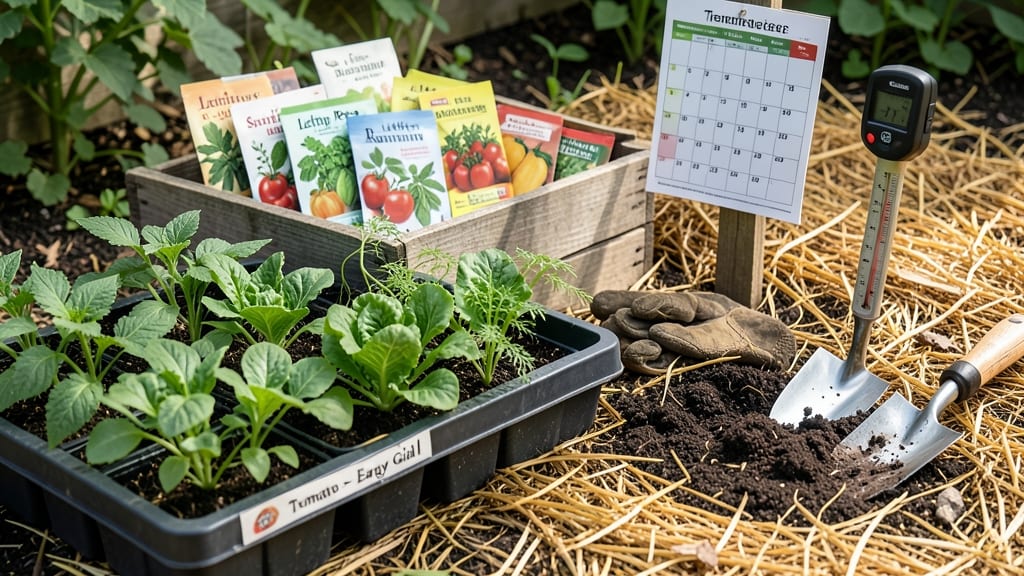
Planting a garden in Tennessee at the right time means the difference between a bountiful harvest and a sad pile of wilted seedlings.
Tennessee’s diverse climate zones—from the humid Appalachians to the hotter Delta—mean your garden’s success hinges on planting at the perfect time. Get the wrong timing, and your zero-frost crops like tomatoes or peppers could face stunted growth or even failure.
In zones 6a-7b, most gardeners start seeds indoors by mid-March, transplanting outdoors after the last frost around mid-April. But Nashville’s urban heat islands and Memphis’ Delta humidity demand slight tweaks—like waiting until late April for heat-loving crops.
Below, I break down the exact windows for your region, plus how to adjust for soil, microclimates, and Tennessee’s top crops—so you can plant with confidence and harvest like a pro.
Tennessee planting zones: when to start seeds and transplant zero-frost crops
Tennessee spans USDA zones 5b through 8a, creating dramatic differences in planting windows. In zone 5b (eastern highlands), the last frost typically arrives by April 15, while zone 8a (Memphis area) sees frost-free conditions by March 1.
These variations mean your tomatoes or peppers could face frost damage if planted too early in cooler zones.
Zero-frost crops—plants that cannot tolerate frost—require precise timing. Most Tennessee gardeners start seeds indoors 4-6 weeks before transplanting, but exact dates shift based on your zone.
For example, Nashville (zone 7a) gardeners transplant peppers by mid-April, while Chattanooga (zone 7b) can begin 2 weeks earlier in late March.
Soil temperature matters just as much as air temperature. Most warm-season crops need soil at 60°F+ to thrive. In zone 6a, this often means waiting until May 1 for heat-loving crops like okra or sweet potatoes.
Use a soil thermometer to avoid planting too soon—cool soil stunts roots and delays growth.
Below is your zone-by-zone planting guide for zero-frost crops, including seed-starting dates, transplant windows, and temperature thresholds. Bookmark this for your next gardening season!
For tomatoes and peppers, which are sensitive to cold, I recommend starting seeds indoors 6-8 weeks before transplanting. In zone 7a, that means seed trays by February 15 and hardening off seedlings by March 15.
Use grow lights if your home lacks sufficient winter sunlight—weak seedlings struggle in Tennessee’s competitive garden beds.
Cucumbers and squash can handle slightly cooler soil (55°F+) and often do better when direct-sown after the last frost. In zone 6a, wait until May 1 to sow seeds outdoors, giving them time to establish roots before summer heat peaks.
Mulch heavily to retain moisture and regulate soil temperature.
How to adjust planting times for Tennessee’s microclimates and soil conditions
Tennessee’s varied landscapes—from Nashville’s urban heat islands to the cooler Appalachian foothills—create microclimates that can shift planting times by weeks. A Nashville backyard might hit 80°F by May, while a mountainous region in East Tennessee could linger near 50°F into June.
These differences mean your tomatoes or peppers could thrive in one spot while struggling just miles away.
Even soil plays a role: Heavy clay soils in West Tennessee drain poorly, delaying spring planting until soil warms to 60°F or higher. Meanwhile, sandy soils in the Delta region warm faster, letting you plant earlier. Adjusting for these factors ensures your zero-frost crops get the best start.
⚠️ callout warning
- Frost damage on tender greens like lettuce or spinach turns leaves black and mushy within hours.
- Stunted growth occurs when cool soil slows root development—even if air temps rise.
- Disease risk spikes in damp, cold soil (e.g., damping-off in seedlings).
To extend your growing season, use row covers or cold frames in cooler microclimates. These tools add 2-4 weeks of frost protection, letting you plant cabbage or kale as early as late February in zones 6a-6b.
For heavy clay soils, amend with compost or sand to improve drainage—this warms soil faster in spring.
In urban areas, heat islands can push planting dates 1-2 weeks earlier for heat-loving crops like okra or sweet potatoes. Monitor your local weather station for last-frost averages—Memphis typically sees its last frost by March 15, while Chattanooga may wait until April 1.
For mountainous regions, prioritize cold-hardy crops like peas or radishes in early spring. If you’re tempted to plant tomatoes before soil warms, use black plastic mulch to raise soil temps by 5-10°F and accelerate growth.
Pro tip: Observe your garden’s microclimate for a few years. Note where frost lingers longest or where heat builds fastest—then adjust planting dates accordingly. With these tweaks, you’ll maximize yields and avoid common pitfalls like bolting greens or blossom-end rot in tomatoes.