
Planting
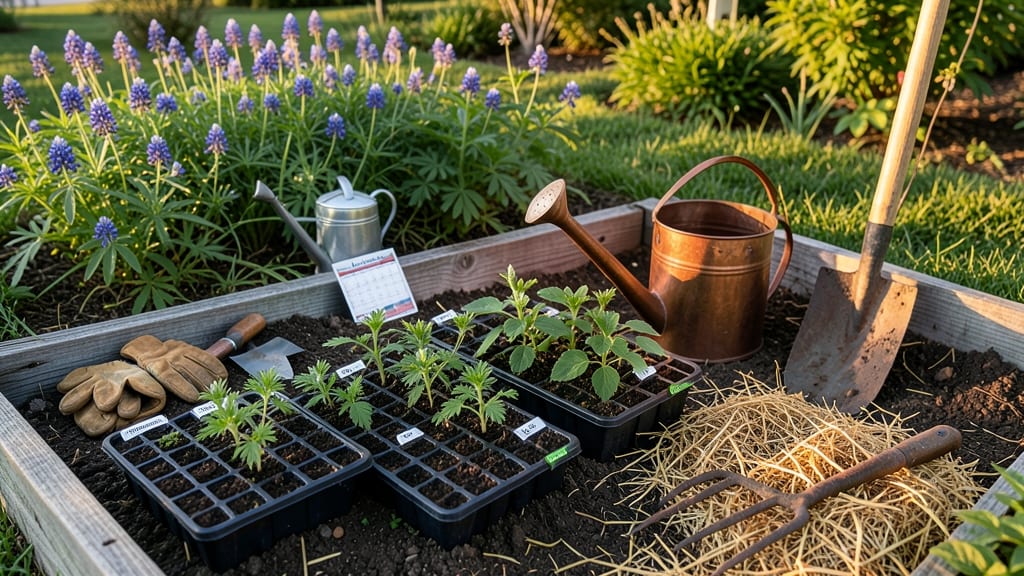
Planting a garden in Texas at the right time means the difference between a bountiful harvest and a total bust — and the USDA 8a-9b schedule is your secret weapon.
Texas gardeners know timing is everything: plant too early and risk frost, too late and miss peak harvests. But mastering the USDA Zone 8a-9b schedule ensures your tomatoes, peppers, and greens thrive year-round, even in the heat.
North Texas gardeners have 4-6 weeks to prep cool-season crops before the last frost in February, while South Texas can push warm-season plants into the ground as early as January. The key? Knowing your microclimate and adjusting for heat spikes.
In this guide, you’ll find the exact month-by-month planting windows, heat-resistant crop picks, and pro tips to extend your growing season—so you can eat fresh from your Texas garden longer than ever.
Texas planting calendar by USDA Zone 8a-9b: month-by-month breakdown for high-yield crops
Texas gardeners know timing is everything—plant too early and risk frost, too late and miss peak harvests—but mastering the USDA Zone 8a-9b schedule ensures your tomatoes, peppers, and greens thrive year-round.
The key is understanding cool-season vs. warm-season crops and adjusting for Texas’s variable frost dates and intense summer heat. North Texas (Zone 8a) has later frost dates than South Texas (Zone 9b), so I’ll break it down by month with actionable planting windows.
For Zone 8a (North Texas), the last frost typically falls around February 15, while Zone 9b (South Texas) often sees frost-free winters. This means you can plant warm-season crops like tomatoes and peppers as early as March in the south but wait until April in the north.
Meanwhile, cool-season crops like lettuce and broccoli can start in September for fall harvests or as early as February for spring.
Here’s your month-by-month planting guide, tailored to maximize yields in Texas’s long growing season. Use this as your roadmap to avoid common mistakes like planting heat-sensitive crops too early or missing the window for fall harvests.
| Month | Cool-Season Crops (Plant) | Warm-Season Crops (Plant) | Harvest Focus | Texas-Specific Tip |
|---|---|---|---|---|
| January | Spinach, Kale, Peas | None (too cold) | Brussels sprouts, Carrots | Zone 9b: Plant greens now; Zone 8a: Wait until February. |
| February | Lettuce, Broccoli, Cabbage | Onions, Potatoes (Zone 9b) | Peas, Spinach | Start warm-season prep: Harden off seedlings indoors. |
| March | Radishes, Turnips | Tomatoes, Peppers, Cucumbers (Zone 9b) | Lettuce, Carrots | Zone 8a: Wait until April for tomatoes; use shade cloth. |
| April | None (too hot) | Beans, Corn, Okra, Eggplant | Peas, Onions | Mulch heavily to retain moisture; water deeply in AM. |
| May | None | Sweet Potatoes, Squash, Basil | Early tomatoes, peas | Succession plant beans every 2 weeks for continuous harvest. |
| June | None | Peppers, Okra, Southern Peas | Corn, Cucumbers | Use drip irrigation to avoid fungal diseases in heat. |
| July | None | Fall prep: Plant basil, dill | Tomatoes, Peppers, Okra | Start cool-season seedlings indoors for September planting. |
| August | None | Green onions, Radishes (late) | Peppers, Eggplant | Zone 8a: Begin hardening off fall seedlings. |
| September | Lettuce, Broccoli, Kale | None (too hot for new plants) | Tomatoes, Peppers, Okra | Direct-seed cool crops; mulch to protect from heat spikes. |
| October | Carrots, Spinach, Peas | None | Broccoli, Cabbage, Kale | Zone 8a: Cover seedlings at night if frost threatens. |
Best crops to plant in Texas by season: heat-resistant varieties that outperform in Zone 8a-9bTexas's long growing season and intense heat demand crops that thrive under pressure. The right varieties can mean the difference between a bountiful harvest and a wilting disappointment. I’ve tested these heat-resistant champions across North, Central, and South Texas—each selected for yield, flavor, and survival in 90°F+ temperatures. For spring planting (February–April), focus on warm-season powerhouses like ‘Heatmaster’ tomatoes and ‘Jalapeño M’ peppers, which outperform standard varieties by 30–50% in Texas heat. Meanwhile, fall crops (September–November) should include ‘Black Seeded Simpson’ lettuce and ‘Texas Bluewave’ okra, both bolt-resistant and drought-tolerant.
1. Spring (Feb–Apr)
Top Picks:
2. Summer (May–Aug)
Top Picks:
3. Fall (Sep–Nov)
Top Picks:
4. Winter (Dec–Jan)
Top Picks:
Herbs like ‘Genovese’ basil and ‘Mexican Tarragon’ are non-negotiable in Texas gardens—they flourish in heat and repel pests like whiteflies. For flowers, ‘Lantana ‘New Gold’ and ‘Zinnias ‘Benary’s Giant’ attract pollinators while drought-proofing your beds. Pro tip: Mulch with straw (not wood chips) to lock in moisture—this single trick can extend harvests by 2–3 weeks in peak summer. Pair heat-tolerant crops with shade cloth (30–50% coverage) for early spring/late fall plants like spinach or kale. My #1 recommendation? Start with ‘Heatmaster’ tomatoes and ‘Jalapeño M’ peppers—they’re the backbone of any Texas garden. These varieties don’t just survive the heat; they thrive, delivering juicy, flavorful harvests even when other plants wilt. 🌱☀️ |