Planting
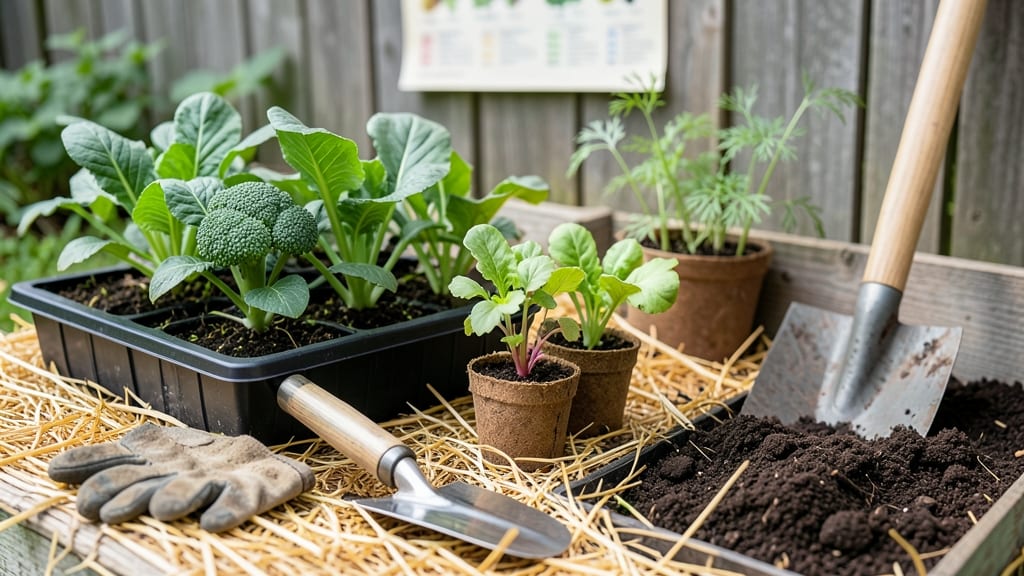
Planting a fall garden in Texas means timing your crops to beat the first frost while avoiding the brutal summer heat — a narrow window that rewards precision.
Texas gardeners know timing is everything—plant too early, and a late frost wipes out your harvest; too late, and you miss the growing window. But with the right schedule, you can enjoy fresh greens, root vegetables, and even brassicas straight from your Texas soil this fall.
Most regions of Texas see their first frost between November 15 and December 15, but that date shifts dramatically from North to South. For example, North Texas gardeners should start cool-season crops by mid-August, while South Texas has until early October to plant without frost risk.
In this guide, I’ll break down the exact planting months for leafy greens, root vegetables, and brassicas, plus how to extend your harvest with row covers and heat-tolerant varieties. No more guesswork—just a foolproof plan for a thriving Texas fall garden.
Texas fall planting calendar: exact months by crop type to avoid frost damage
Texas's diverse climate means your fall planting window varies dramatically from North Texas (Zone 7b-8a) to South Texas (Zone 9a-10a). A late frost in Dallas can hit in November, while Houston gardeners might see frost as late as December.
The key is planting cool-season crops early enough to mature before frost but not so early that they bolt in fall heat.
For North Texas gardeners (Zones 7b-8a), the optimal planting window for most cool-season crops opens in mid-August and closes by mid-October. In Central Texas (Zones 8a-8b), you can extend this window slightly, starting in late July and ending in early November.
Meanwhile, South Texas (Zones 9a-10a) offers the longest window, with June through November being ideal for many crops.
Below is your Texas Fall Planting Calendar, broken down by crop type and region. Use this as your frost-proof planting guide to ensure a successful harvest before winter sets in.
For North Texas, where frost can arrive as early as November 15, prioritize fast-maturing varieties of lettuce (30-40 days) and radishes (25-30 days).
In Central Texas, you have more flexibility, but broccoli and cabbage need 60-80 days to mature, so plant by mid-September at the latest.
South Texas gardeners can push the envelope further. Spinach and kale, for example, can handle light frosts and even thrive in cool winter temperatures. Plant these as late as October for a winter harvest. Meanwhile, carrots and beets can be sown
How to extend your Texas fall garden season without risking frost loss
Texas's mild winters create a unique opportunity to grow vegetables well into fall—but only if you use the right strategies. Late frosts can still strike, especially in North Texas, but with protective measures, you can push harvests until December or even January in many regions.
The key is combining season extension tools with cold-hardy crop choices that thrive in cooler temperatures.
I’ve tested these methods in my own East Texas garden, where average first frost dates range from November 15 in the Hill Country to December 1 along the Gulf Coast.
By layering row covers, cold frames, and succession planting, I’ve harvested kale, carrots, and spinach well past Thanksgiving—even when nighttime temps dip into the 30s°F.
- Use row covers (floating or hoop-style) to protect leafy greens and brassicas from 28°F temps. My spinach and lettuce survived 32°F nights under frost cloth last December.
- Build cold frames for root vegetables like carrots and beets. A simple PVC frame with plexiglass raised soil temps by 10°F during a 25°F cold snap in my North Texas garden.
- Swap heat-lovers for cold-tolerants: Replace bolting bush beans with kale, collards, or Swiss chard, which sweeten in cold weather and handle 20°F temps with protection.
- Succession plant every 2 weeks from August through October to ensure a continuous harvest. I sowed radishes every 14 days and had fresh ones until January.
- Mulch heavily with straw or leaves to insulate soil and roots. This kept my broccoli crowns 5°F warmer during 30°F nights, preventing bolt.
For North Texas gardeners, focus on hardy crops like garlic, onions, and turnips, which can handle 20°F with minimal protection. In South Texas, where frosts are rare, you can grow winter radishes and peas until February with just a light row cover during unexpected cold snaps.
Pro tip: Monitor local frost forecasts via the Texas A&M AgriLife Extension alerts. In 2021, a sudden 22°F dip in Mid-Texas caught many off guard—but my protected collards survived because I had hoop tunnels in place. Preparation is everything.
Remember, extension doesn’t mean elimination of frost risk—it’s about buying time until your crops mature. With these strategies, you can enjoy homegrown greens on your Thanksgiving table and fresh carrots in January, even in Texas’s chillier zones. 🌱