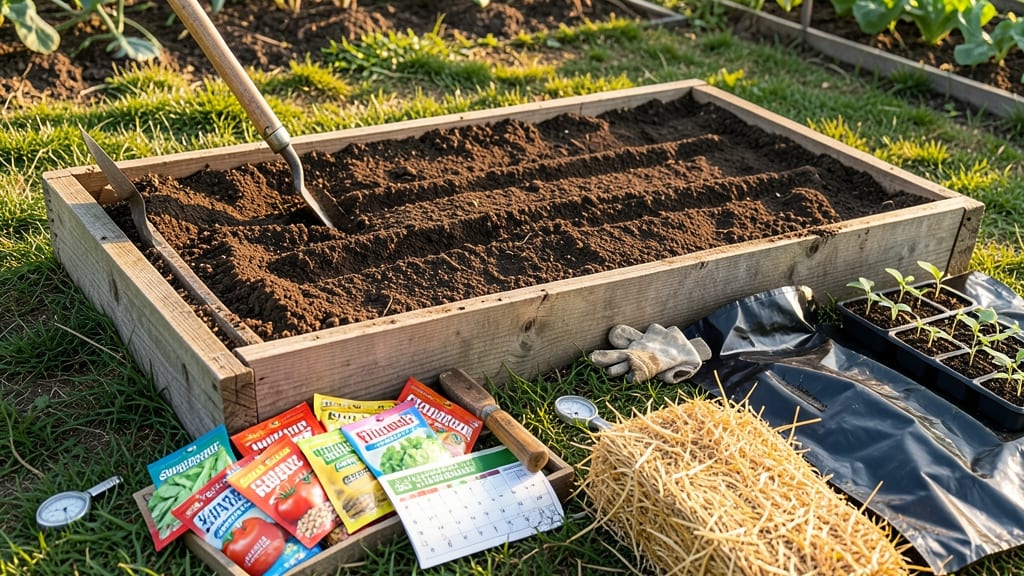
To plant a vegetable garden in Iowa, time your sowing between mid-April and mid-June for spring crops and late July to early August for fall harvests—missing these windows risks frost damage or stunted growth.
Iowa’s USDA Zone 5a-5b means you’ve got just 150-180 frost-free days to work with, so precision matters. Plant too early, and a late frost will wipe out seedlings; too late, and your tomatoes won’t ripen before October’s chill sets in. I’ve seen both mistakes firsthand—and neither ends well.
This guide breaks down the exact planting deadlines for your 🥬 vegetable garden, including soil temperature tips, frost-tolerant varieties, and how to stretch your season with row covers. Whether you’re a first-timer or a veteran gardener, these strategies will help you maximize yields from May through October.
You’ll learn which crops thrive in Iowa’s short season, how to adjust for unpredictable weather, and the best succession-planting tricks to keep your harvests flowing. Let’s get your garden growing on time—no guesswork, just results.
🥬
When to Plant Vegetable Garden Garden
Jan
❄️
Feb
❄️
Mar
🌱
Apr
🌱
May
🌸
Jun
☀️
Jul
☀️
Aug
🌱
Sep
🥬
Oct
🥬
Nov
🥬
Dec
🌱
Iowa’s vegetable planting calendar by hardiness zone 4b
Iowa’s USDA Zone 4b growing season is short but productive when you follow precise planting timelines. With an average last frost date of April 15 and first frost around October 15, you’ve got roughly 150-180 frost-free days.
Cool-season crops like spinach and kale thrive in early spring, while warm-season favorites such as tomatoes and peppers need warm soil to germinate. Timing is everything—miss it, and you’ll either lose seedlings to frost or harvest too late in the season.
Soil temperature is your best guide: most vegetables need at least 50°F soil to germinate, while warm-season crops like cucumbers and squash prefer 60°F or warmer. Use a soil thermometer to check before planting.
In Iowa, late May is typically the last safe window for warm-season transplants, while late July is ideal for fall planting. Below is your month-by-month guide to planting 20+ common vegetables, including cool and warm-season varieties.
📅 Key Dates for Iowa Zone 4b:
- Last Frost: April 15 (varies by microclimate)
- First Frost: October 15
- Warm Soil (60°F+) for Warm Crops: Mid-May
- Fall Planting Window: Late July to early August
| Vegetable |
Planting Time (Zone 4b) |
Soil Temp Requirement |
Days to Harvest |
Notes |
| Lettuce (Cool) |
March 15 - April 30, Aug 15 - Sept 15 |
40-50°F |
30-60 |
Succession plant every 2 weeks |
| Spinach (Cool) |
March 15 - May 1, Aug 15 - Sept 1 |
40-50°F |
40-50 |
Bolt-resistant varieties for summer |
| Peas (Cool) |
April 1 - May 15, July 15 - Aug 15 |
45-55°F |
60-70 |
Trellis for vertical growth |
| Tomatoes (Warm) |
May 1 - June 1 (transplant) |
60°F+ |
70-85 |
Use row covers for early starts |
| Peppers (Warm) |
May 15 - June 1 (transplant) |
65°F+ |
75-90 |
Start indoors 8-10 weeks early |
| Cucumbers (Warm) |
May 15 - June 10 |
60°F+ |
50-70 |
Trellis for better air circulation |
Carro
How to adjust planting times for Iowa’s unpredictable weather patterns
Iowa’s unpredictable spring frosts and late summer heatwaves can throw off even the most careful gardeners. The key to success? Flexibility. I’ve learned to adjust planting times using season-extending tools and frost-tolerant varieties that thrive in Iowa’s USDA Zone 4b climate.
These strategies help me avoid early frost damage while maximizing harvests before the first hard freeze.
One of my go-to methods is using floating row covers to protect tender seedlings. These lightweight fabrics raise soil temperatures by 5-8°F and shield plants from late spring frosts that can occur as late as May 15th in northern Iowa.
I also rely on cold-hardy varieties like ‘Winter Density’ kale or ‘Early Wonder’ peas, which can handle 25°F temperatures without damage.
Here’s how I adjust planting times for Iowa’s short growing season:
🌱 5 Proven Strategies for Iowa Gardeners
- 📅 Start seeds indoors 6-8 weeks before last frost date (typically May 1) for warm-season crops like tomatoes and peppers.
- 🛡️ Use row covers to extend spring planting by 3-4 weeks and fall harvests until first frost (mid-October).
- 🌡️ Wait until soil temps reach 50°F for warm-season crops—use a soil thermometer to avoid false starts.
- 🌱 Choose fast-maturing varieties (e.g., ‘Early Girl’ tomatoes in 60 days) to beat late summer heat and early frosts.
- 📆 Plant succession crops every 2 weeks (e.g., lettuce, radishes) to stagger harvests and fill gaps in your garden.
For late summer heat, I shift to shade-tolerant crops like Malabar spinach or ‘Black Seeded Simpson’ lettuce, which handle 90°F+ temperatures better than traditional varieties. I also mulch heavily to retain moisture and water deeply in the morning to reduce stress on plants during heatwaves.
One of my biggest lessons? Don’t rely solely on average frost dates. I track local weather patterns using the National Weather Service and adjust my planting schedule accordingly.
For example, if May brings unseasonably cold temps, I delay planting cucumbers and squash until June 1st instead of the usual May 15th.
With these adjustments, I’ve extended my growing season by 4-6 weeks in both spring and fall. The key is observation and adaptability—two traits every Iowa gardener needs to thrive. 🌿
★★★★★4.7(10 reviews)
|