
Planting
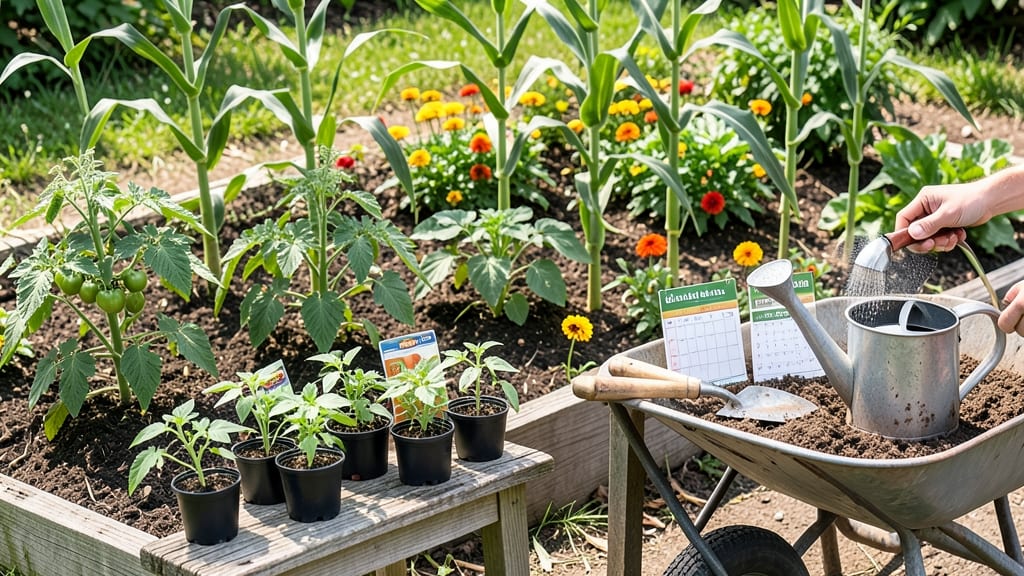
Planting a vegetable garden in North Carolina at the right time means the difference between a thriving harvest and wasted seeds — and with 7 distinct climate zones, timing isn’t one-size-fits-all.
Miss the window by even a few weeks, and you’ll watch your tomatoes bolt in the heat or your broccoli bolt before it matures. I’ve seen both happen, and neither is pretty.
North Carolina’s planting schedule hinges on heat units (GDD) and frost dates, not just calendar months. Coastal areas like Wilmington can start earlier than the Piedmont, where soil warms slower.
Below, I break down the exact months to plant by zone, which crops to prioritize in each season, and how to stretch your growing window with succession planting and heat-tolerant varieties.
North Carolina planting zones: how heat units determine your perfect timing
North Carolina spans USDA Hardiness Zones 7b to 8b, meaning our growing seasons vary dramatically from the cooler Piedmont to the warmer coastal plains.
Unlike simply following calendar months, the real secret to success lies in Growing Degree Days (GDD)—a heat unit measurement that tells you exactly when your soil and air reach the ideal temperature for each plant.
For example, tomatoes need 1,000+ GDDs to thrive, while broccoli prefers cooler 500-800 GDDs.
The NC State Extension provides a free planting calendar based on GDDs, but understanding these numbers helps you adjust for microclimates.
If you live in Zone 7b (like Raleigh), your last frost typically arrives around April 15, while Zone 8b (like Wilmington) might see frost-free conditions by March 1.
Warm-season crops like peppers and squash should only go in the ground after soil temperatures hit 60°F+, which often means waiting until mid-May in the mountains but early April near the coast.
Here’s how to use GDDs in practice: Most seed packets list minimum GDD requirements. Check your local NC Cooperative Extension office for your area’s GDD accumulation data, then match it to the plant’s needs.
For instance, cucumbers (which need 1,200 GDDs) might not be ready until June 1 in Zone 7b, but could start May 15 in Zone 8b. This explains why neighbors’ gardens sometimes thrive while yours struggles—it’s not just about the date, but the heat your plants receive.
| Plant Type | Zone 7b (Piedmont) | Zone 8a (Coastal) | Zone 8b (Southeast) | GDD Requirement |
|---|---|---|---|---|
| Cool-Season Crops | March 15 - April 15 | February 28 - March 30 | February 15 - March 15 | 500-800 |
| Broccoli | March 1 - April 10 | February 15 - March 20 | February 1 - March 10 | 600-700 |
| Lettuce | March 15 - May 1 | February 28 - April 15 | February 15 - March 30 | 400-600 |
| Warm-Season Crops | May 1 - June 1 | April 15 - May 15 | April 1 - April 30 | 1,000-1,500 |
| Tomatoes | May 10 - June 1 | April 20 - May 10 | April 1 - April 25 | 1,200-1,500 |
| Peppers | May 15 - June 10 | April 30 - May 15 | April 15 - April 30 |