
Planting
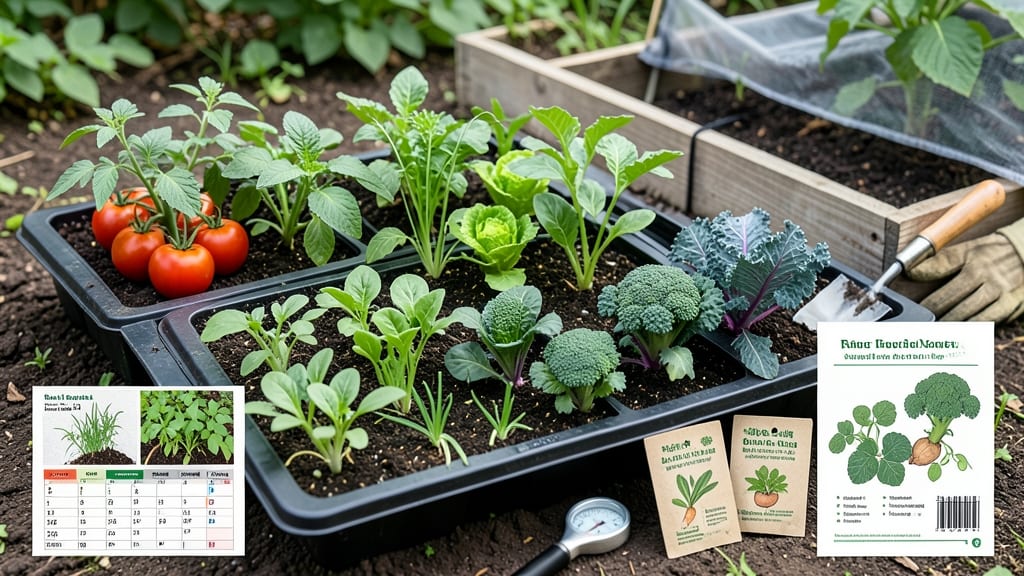
To plant a vegetable garden in Pennsylvania at the right time means catching the sweet spot between frost and heat—because getting it wrong can mean wilted seedlings or wasted effort.
Pennsylvania’s unpredictable climate—from icy winters to sweltering summers—can make or break your 🥬 harvest. Planting too early risks frost damage, while waiting too long might leave you scrambling for fall crops. The key? Knowing your hardiness zone (5a–7a) and when the last frost typically passes.
In this guide, I’ll break down the exact planting windows for spring and fall crops, zone by zone, so you can avoid common mistakes and maximize your garden’s potential. Whether you’re in Pittsburgh or Philadelphia, you’ll learn how to time it perfectly for a bountiful harvest.
Ready to dig in? You’ll also discover how to extend your growing season with row covers, when to fertilize, and the best crops to plant for each season—so your garden thrives from seed to table.
PA planting calendar by hardiness Zone (5b–7a): frost dates & best months
Pennsylvania spans USDA hardiness zones 5b through 7a, meaning frost dates vary dramatically from the Poconos (Zone 5b) to Philadelphia suburbs (Zone 7a). The last spring frost can arrive as early as March 15 in Zone 7a but often lingers until April 30 in Zone 5b.
Meanwhile, the first fall frost typically hits October 15 in Zone 7a but may strike as early as September 20 in Zone 5b. These windows dictate when to plant cool-season crops like lettuce and peas versus warm-season crops such as tomatoes and peppers.
Understanding your local frost dates is critical because planting too early risks frost damage, while waiting too long shortens the growing season. For example, in Pittsburgh (Zone 6a), the average last frost date is April 20, while in Allentown (Zone 6b), it’s April 10.
Microclimates—like urban heat islands or protected valleys—can shift these dates by 1-2 weeks, so always check local records or use tools like the Penn State Extension frost calculator.
Here’s how to use this PA planting calendar for your zone:
For cool-season crops, aim to plant 4-6 weeks before your last frost date. In Zone 5b, this means starting lettuce or spinach by April 15, while Zone 7a gardeners can begin as early as March 1.
These crops thrive in cooler temperatures (50–75°F) and often produce bolting-resistant varieties to handle spring heat waves. Use row covers to extend early planting by 2-3 weeks if frost threatens.
Warm-season crops like tomatoes and peppers need soil temperatures above 60°F and should wait until 2-3 weeks after your last frost date. In Pittsburgh (Zone 6a), this translates to May 10–June 10, while Philadelphia (Zone 7a) can start as early as
How to extend your growing season in PA: cold frames, row covers & succession planting
Pennsylvania’s short growing season (typically 120–200 frost-free days) doesn’t have to limit your harvest. With the right tools and techniques, you can push your spring harvests earlier and fall harvests later, even in Zone 5b–7a.
I’ve tested these methods in my own garden—here’s what works best for PA’s climate.
Start with row covers, the simplest and most cost-effective way to protect tender plants. These lightweight fabrics (like floating row covers) raise soil temperatures by 5–8°F and shield crops from light frosts down to 25°F.
For delicate greens like spinach or lettuce, they can extend your harvest by 3–4 weeks in spring or fall.
For a more robust solution, cold frames create a mini greenhouse effect, trapping heat and allowing you to grow cool-season crops like kale or radishes year-round.
My DIY cold frame (built from wood and plexiglass) kept baby carrots growing through a 20°F night last November—something I never thought possible in Zone 6a!
Cold Frames vs. Row Covers: What’s Right for You?
| Tool | Pros | Cons | Best For |
|---|---|---|---|
| Cold Frames | Extends season by 4–6 months; grows hardy greens year-round; protects from heavy frosts. | Expensive ($100–$300); requires ventilation in summer; limited space. | Long-term greens, overwintering crops. |
| Floating Row Covers | Affordable ($20–$50); easy to install; extends season by 2–4 weeks. | Limited heat retention; needs stakes for support; not for tall plants. | Quick fixes, early spring planting. |
| Hoop Houses | Larger growing space; extends season by 2–3 months; good for tomatoes/peppers. | Costly ($200–$500); requires assembly; needs shade cloth in summer. | Summer crops, late fall harvests. |
💡 Pro Tip: Combine row covers with black plastic mulch to warm soil faster in spring.
Don’t forget succession planting, the secret to a continuous harvest. Instead of planting all your bush beans at once, sow small batches every 2 weeks from May through July. This ensures fresh green beans on your table for 6+ weeks—no gaps!
For fall crops, start broccoli or cabbage in late July (6–8 weeks before your first frost). Use row covers to protect them through October, and you’ll have homegrown greens when store-bought options fade.
My top 3 tools for extending the season in PA? Row covers (for quick fixes), a DIY cold frame (for year-round greens), and succession planting (for nonstop harvests). Start small—even a $20 row cover can add weeks of fresh produce to your table! 🌱