
Planting
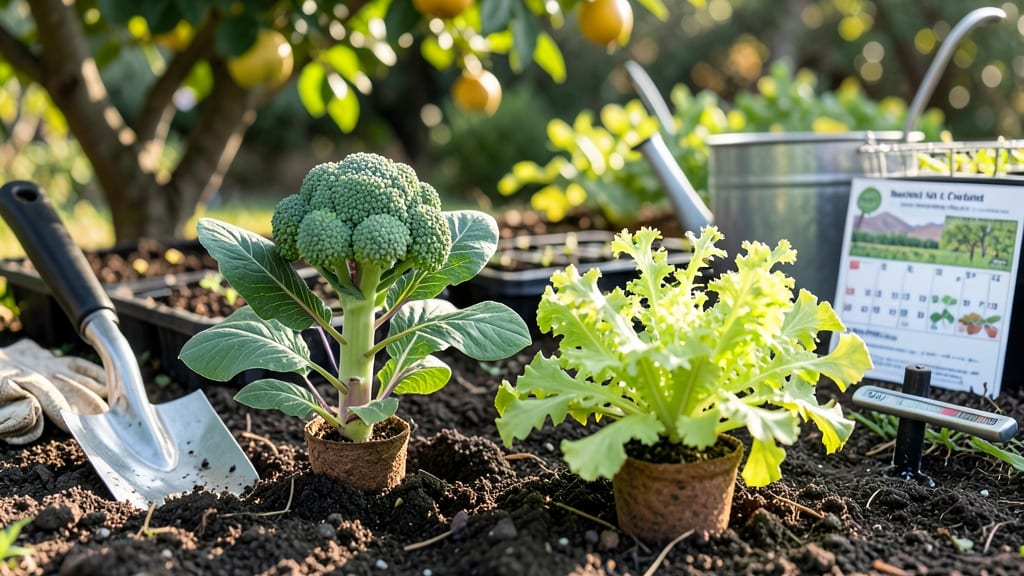
Planting a vegetable garden in Northern California depends on your microclimate—coastal fog, Bay Area mildness, or Central Valley heat each shift the schedule by weeks.
Northern California’s diverse microclimates—from coastal fog to inland heat—mean your vegetable planting schedule can vary by just miles. Get it wrong, and your seedlings could freeze or bolt too fast. But follow these science-backed timing rules, and you’ll enjoy a harvest that rivals the farmers' markets.
Cool-season crops like lettuce and broccoli thrive in spring and fall, while tomatoes and peppers need the warmth of late spring to summer. The key is knowing your last frost date—whether it’s February in Sacramento or January in San Francisco—and adjusting for your zone.
Below, I break down the exact planting windows for your region, plus tips for succession planting so you’re harvesting year-round. No more guesswork—just a vegetable garden 🌱 that performs like the pros.
Northern California planting zones by microclimate: coastal vs. Bay Area vs. Valley timing
Northern California’s microclimates create a gardening puzzle where your neighbor’s perfect tomato harvest might be your frozen seedlings. The coastal chill of San Francisco, the mild Bay Area winters, and the Central Valley heat each demand different planting strategies.
Understanding these zones—USDA 7b-10a—will help you sync your garden with nature’s rhythm.
Your last frost date shifts dramatically: December 1 in coastal areas (like Santa Cruz) vs. February 15 in Sacramento. Warm-season crops like tomatoes and peppers need 50-60 days of frost-free warmth, while cool-season broccoli and lettuce thrive in 50°F+ soil. Let’s break down the timing for your microclimate.
| Region | USDA Zone | Last Frost Date | First Frost Date | Tomatoes (Transplant) | Lettuce (Sow) | Broccoli (Transplant) |
|---|---|---|---|---|---|---|
| Coastal (SF, Santa Cruz) | 9a-10a | December 1 - January 15 | November 15 - December 31 | March 1 - April 15 | September 1 - November 1 | February 1 - March 15 |
| Bay Area (Oakland, Berkeley) | 9a-9b | January 15 - February 15 | November 1 - December 15 | March 15 - April 30 | August 15 - October 31 | February 15 - March 30 |
| Central Valley (Sacramento, Stockton) | 7b-8a | February 15 - March 15 | December 1 - January 15 | April 15 - May 15 | March 1 - April 15 | March 1 - April 15 |
🌱 Note: Adjust dates 1-2 weeks earlier for high-elevation areas or later for urban heat islands.
If you’re in the coastal fog belt, start tomatoes as early as March 1—the ocean’s chill delays warming, but your growing season stretches late into fall.
In contrast, Central Valley gardeners wait until April 15 to transplant tomatoes because the soil heats up faster, but first frost arrives by December 1, cutting the season short.
The Bay Area’s mild winters let you sow lettuce as late as October 31, while inland areas must plant by April 15 to avoid bolting. Broccoli, a cool-season staple, thrives in 50-70°F soil, so coastal gardeners transplant it in February, while Valley growers wait until March to avoid heat stress.
Pro tip: Use row covers to extend your coastal growing season into November or push Valley plantings to September. These lightweight fabrics trap heat and protect tender crops from unpredictable frosts. For example, I’ve kept kale producing until Christmas in my Zone 9b coastal garden using this trick.
Don’t overlook succession planting—the key to a year-round harvest. In the Valley, sow carrots every 2 weeks from March to July; in the coastal zones, repeat plantings from September to November. This strategy ensures you’re always harvesting fresh produce, even as seasons shift.
For warm-season crops like peppers and squash, time your plantings to avoid the Valley’s scorching July-August heat. Transplant these heat-loving plants in May and harvest before September 1 to prevent stress. Coastal gardeners, meanwhile, can stretch these crops into October thanks to cooler nights.
One mistake I see often? Ignoring soil temperature. Use a soil thermometer—50°F is the magic
How to calculate your local frost dates (and why it matters more than zones)
Northern California’s microclimates create planting puzzles even USDA zones can’t solve. While your neighbor in Sacramento might plant tomatoes in April, coastal gardeners in Santa Cruz wait until May—sometimes even June.
The difference? Frost dates, not just hardiness zones. These dates tell you when to start warm-season crops like peppers and when to protect cool-season crops like broccoli from late frosts.
Most gardeners rely on USDA zones, but they’re too broad. A Zone 9a in San Francisco can feel like Zone 7b on foggy mornings, while Zone 9b in Berkeley might toast seedlings in urban heat islands.
To get precise timing, you need local frost data—not just zone averages.
⚠️ callout warning ⚠️
Concrete and pavement can make city gardens 5-10°F warmer than rural areas. If your last frost date is March 15 but you’re in a heat island, warm-season plants like tomatoes may tolerate earlier planting. But verify with local data—don’t guess! Use CoCoRaHS or NOAA for accurate frost records, not your neighbor’s “rule of thumb.”
Start by checking historical frost records from trusted sources. The National Oceanic and Atmospheric Administration (NOAA) offers free frost-free date maps for your exact location. For hyper-local data, join CoCoRaHS (Community Collaborative Rain, Hail & Snow Network), where volunteers track frost events down to the block. Even a 5-mile difference can shift your planting window by 2-3 weeks.
Once you have your last spring frost and first fall frost dates, add a safety buffer. Warm-season crops like peppers and squash need consistent warmth, so plant them 2-3 weeks after your last frost.
For cool-season crops like spinach or kale, start 4-6 weeks before the first frost to ensure a full harvest. Pro tip: Use row covers to extend your growing season by 2-4 weeks in both directions.
Adjust for microclimates within your garden. South-facing slopes warm up faster than north-facing beds, and low-lying areas collect cold air. If your garden sits in a frost pocket, plant heat-lovers like eggplants on the sunniest, highest spot.
Conversely, leafy greens thrive in cooler microclimates, like the shade of a fruit tree or perennial border.
Why bother with all this precision? Because one late frost can wipe out your $50 tomato seedlings in minutes, while one extra week of heat can turn your broccoli bitter.
By mastering your local frost dates, you’ll maximize harvests, save money, and avoid the heartbreak of frozen zucchini blossoms or bolting lettuce. Start with NOAA or CoCoRaHS data, add your buffer, and let your garden thrive—one frost-free season at a time. 🌱