
Planting
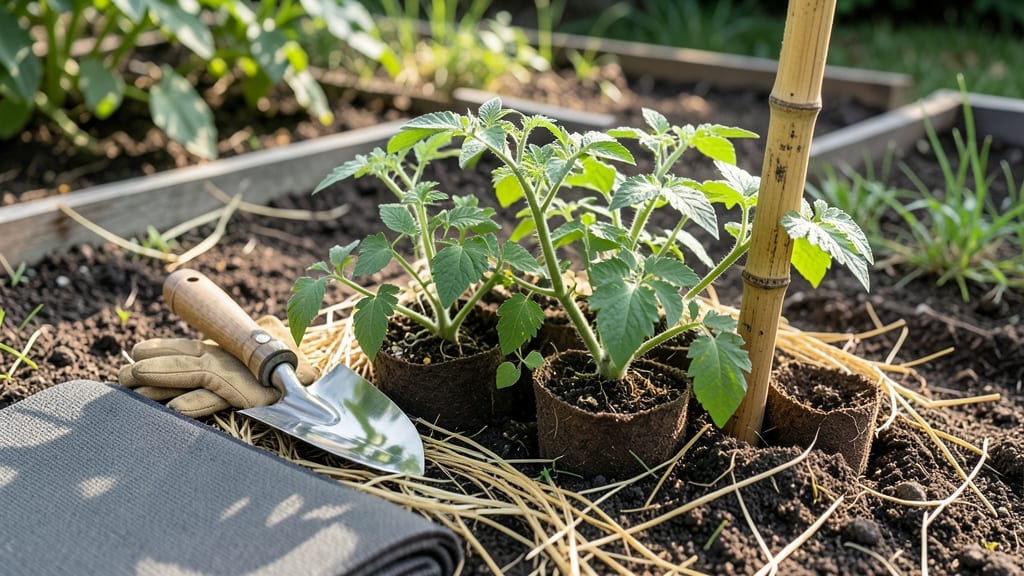
Planting tomato seedlings in the garden at the right time ensures strong roots, faster fruiting, and a bountiful harvest—but get the timing wrong, and you risk stunted growth or even plant loss.
Timing your tomato seedlings perfectly can mean the difference between a bountiful harvest and wasted effort—get the soil temperature and frost-free window wrong, and your plants may never reach their full potential.
In USDA Zone 6a, where many gardeners live, the ideal window is after the last frost—typically late April to early May—when soil warms to at least 60°F and nighttime temps stay above 50°F.
But regional differences matter: Southern gardeners may start earlier, while Northern growers often wait until June.
Below, I’ll break down how to check soil readiness, adjust for your climate, and avoid the three biggest mistakes that sabotage young tomato plants—so you can set yours up for success from day one.
Optimal soil temperature and frost-free days for planting tomato seedlings
Timing your tomato seedlings perfectly means waiting for soil temperatures above 50°F and frost-free nights. Cold soil stunts root growth, while late frosts can kill young plants. I’ve learned the hard way—planting too early in chilly soil leads to leggy, weak seedlings that struggle to recover.
The key is balancing warmth and safety from frost for robust tomato plants.
Tomatoes thrive when soil stays consistently warm, ideally between 60°F and 90°F. At 50°F, roots grow slowly, and below that, they may stop entirely. Use a soil thermometer to check—it’s the only way to know for sure.
I always plant mine when the soil hits 60°F in the morning, ensuring roots can establish quickly.
Frost-free days are just as critical. Most tomato varieties can’t tolerate temperatures below 50°F at night. Check your USDA hardiness zone to estimate your last frost date. For example, Zone 5 typically sees frost until mid-May, while Zone 9 might be frost-free by mid-March.
Planting too early risks frost damage, but waiting too long shortens the growing season.
Here’s how to calculate your planting window: subtract 2-3 weeks from your last frost date to account for seedling hardening. For instance, if frost ends May 10, plant seedlings around April 15-20.
This gives them time to adapt to outdoor conditions before full exposure. I always mark my calendar with these dates to avoid last-minute rushes.
If you’re unsure about your last frost date, check local weather records or use a frost calendar from your state agricultural extension. I once planted tomatoes in Zone 6 too early, and a late frost wiped out my seedlings.
Now, I cross-reference the USDA zone with a 10-year frost history to play it safe. For extra protection, use frost blankets or row covers for the first 2 weeks after transplanting.
Soil temperature matters just as much as air temperature. Cold soil slows nutrient uptake, leading to stunted growth and poor fruit set. To warm up soil faster, I spread black plastic mulch a week before planting.
It raises soil temps by 5-10°F and suppresses weeds. For container-grown tomatoes, use heat mats if your climate is cool, as pots cool down quickly.
Another pro tip: plant warm-season varieties like Celebrity or Better Boy after soil hits 60°F, but cold-tolerant varieties like Stupice can handle 50°F soil. I grow both—early Stupice for quick harvests and Better Boy for late-season bounty. This two-pronged approach extends my growing season by 4-6 weeks.
Watch for nighttime temperatures too. Tomatoes need 55°F+ at night to set fruit. If nights dip below 50°F, use row covers or move pots to a sheltered spot. I’ve seen tomatoes drop flowers when nights are too cool—a frustrating setback! Always monitor forecasts and adjust your planting timeline accordingly.
Finally, don’t forget to harden off seedlings for 7-10 days before transplanting. This gradual exposure to outdoor conditions prevents shock. I start by placing seedlings in a shady spot for a
How to adjust planting time based on your climate Zone and tomato variety
Not all tomatoes thrive under the same conditions, and your climate zone plays a huge role in determining when to plant. Heat-loving varieties like 'Celebrity' or 'Better Boy' need warm soil and air, while cold-tolerant types such as 'Stupice' or 'Glacier' can handle cooler temperatures.
Matching your tomato variety to your local growing season is key to avoiding stunted growth or early blight.
For most gardeners, the last frost date is your starting point—but it’s not the only factor. Soil temperature must reach at least 60°F (15°C) for optimal root development, while nighttime temps should stay above 50°F (10°C).
In cooler zones (USDA 1-5), you may need to use row covers or even start seedlings indoors 6-8 weeks earlier to extend your growing season.
Here’s how to fine-tune your planting schedule based on your climate zone and tomato type, plus common mistakes to avoid:
- 🌡️ USDA Zones 1-5 (Cold Climates): Plant cold-hardy varieties like 'Stupice' or 'Mountain Merit' 2-3 weeks after last frost, or use row covers to protect seedlings until soil warms.
- 🌞 Zones 6-9 (Temperate Climates): Aim for 2 weeks after last frost for most varieties. Heat-lovers like 'Solar Fire' can go in 1 week earlier if soil is warm.
- 🌴 Zones 10-12 (Hot Climates): Plant late summer/fall (August-September) for a second crop to avoid heat stress. Use shade cloth if temps exceed 90°F (32°C).
- ❄️ Early Planting Mistake: Transplanting too soon can lead to frost damage or blossom end rot. Wait until nighttime temps are consistently above 50°F (10°C).
- 🔥 Late Planting Mistake: Delaying past mid-July in warm zones may result in small, underdeveloped fruit. Prioritize early-maturing varieties (60-70 days) if planting late.
If you’re in a transitional climate (like Zone 7), consider succession planting: Start with cool-season varieties in early spring, then switch to heat-tolerant types in late summer.
This maximizes your harvest window and reduces waste. For example, plant 'Early Girl' in May and 'Heatmaster' in July for a continuous supply.
Row covers are a game-changer for extending seasons. Floating row covers can push back your last frost date by 2-4 weeks, allowing you to plant earlier in spring or later in fall.
Just remove them when flowers appear to ensure pollination. In hot climates, use shade cloth (30-50%) to protect plants from sun scald and fruit splitting during peak heat.
Pro tip: Keep a garden journal to track your local microclimate. Note when your soil reaches 60°F, how long it takes for seedlings to establish, and which varieties thrive best.
Over time, you’ll refine your planting schedule to match your unique conditions—leading to bigger yields and healthier plants year after year.