
Planting
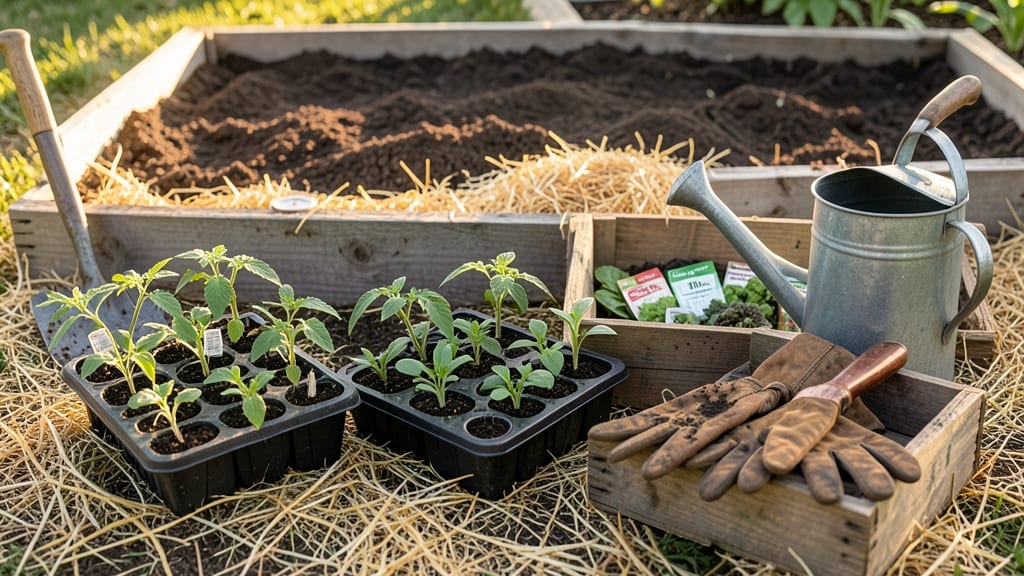
To plant a vegetable garden in Ontario, time your seeds and seedlings between mid-April and mid-June after the last frost—then again in late July to early August for fall harvests.
Get this wrong, and frost or heat will turn your hard work into a lesson in patience. I’ve watched 🥕 seedlings wither overnight after a surprise May freeze, and even the hardiest crops struggle when planted too late.
Ontario’s 5a-6b zones mean your last frost date could be as early as May 10 in London or as late as May 20 in Toronto. Cool-season crops like spinach thrive when soil hits 5°C, while tomatoes need to wait until 12°C—and that’s where most gardeners go wrong.
Below, I’ll break down the exact planting windows by crop, soil temperature rules, and how to stretch your growing season with row covers. No more guessing—just peak yields from seed to harvest.
Ontario’s frost-free zone map: when to plant based on your region
Ontario’s diverse climate creates 7 frost-free zones, each with unique last frost dates that dictate when to plant your vegetable garden. Understanding your zone helps you avoid late spring frosts that can kill tender seedlings or miss the short growing season for warm-season crops like tomatoes and peppers.
For example, Zone 1 (Thunder Bay) has a last frost date around May 25, while Zone 7 (Niagara) sees its last frost by April 15. These differences mean your planting schedule in Ottawa won’t match London’s—or Toronto’s!
Knowing your hardiness zone (5a-7a) and frost-free days (150-180) is critical. Cool-season crops like spinach and peas thrive when planted 4-6 weeks before the last frost, while warm-season crops like tomatoes and cucumbers need to wait until after the last frost and have 90+ days to mature.
In Ontario, this often means starting warm-season crops indoors or using row covers to extend the season.
Pro Tip: Check Ontario’s Last Frost Date Maps from local gardening societies or use the Canada Agriculture and Food Agency’s climate data tools. These resources provide hyperlocal frost dates that can vary by 5-10 days even within the same city. For instance, rural areas may frost later than urban centers due to heat island effects.
| Zone (1-7) | Last Frost Date (Avg.) | First Frost Date (Avg.) | Growing Season Length | Cool-Season Planting Window | Warm-Season Planting Window | Key Crops to Prioritize |
|---|---|---|---|---|---|---|
| Zone 1 (Thunder Bay) | May 25 | September 25 | 125 days | April 15–May 10 | June 10–July 1 | Peas, Kale, Radishes, Potatoes |
| Zone 2 (Sudbury) | May 15 | September 20 | 128 days | April 1–May 5 | May 25–June 15 | Spinach, Carrots, Beets, Broccoli |
| Zone 3 (Ottawa) | May 10 | October 5 | 148 days | March 20–April 30 | May 15–June 10 | Lettuce, Onions, Peas, Cabbage |
| Zone 4 (Toronto) | May 15 | October 10 | 148 days | March 20–April 30 | May 15–June 10 | Tomatoes, Peppers, Beans, Cucumbers |
| Zone 5 (London) | May 10 | October 15 | 158 days | March 15–April 20 | May 10–June 5 | Sweet Corn, Squash, Eggplant, Basil |
| Zone 6 (Niagara) | April 15 | October 25 | 194 days | March 1–April 15 | April 20–May 10 | Melons, Okra, Peppers, Tomatoes |
| Zone 7 (Niagara Peninsula) | April 15 | November 1 | 200+ days | February 15–March 31 | April 1–May 5 | <