Planting
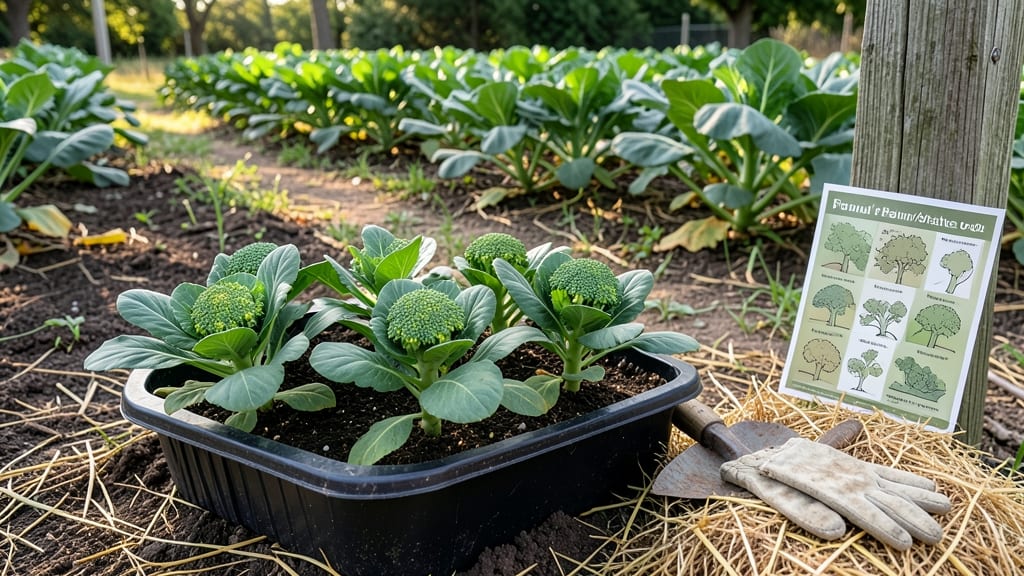
To plant a fall garden in Florida, aim for mid-August in North Florida or early August in Central and South Florida—when daytime highs dip below 90°F and humidity starts to ease.
Florida’s long growing season makes fall gardening a game-changer—but planting too early or late can mean wilted dreams instead of a bountiful harvest. Timing is everything, especially when heat-resistant crops like okra, sweet potatoes, and collard greens are on the line.
Unlike northern states, Florida’s USDA Zones 8a-11 rarely face frost, so the real deadline isn’t cold snaps but escaping the brutal summer heat. Planting in July risks heat stress, while waiting until September might cut harvests short before winter rains arrive.
Below, I’ll break down the exact planting windows by region, the best crops for Florida’s fall, and how to avoid common mistakes—so you can enjoy fresh 🥬 from October through December without the guesswork.
Florida’s fall planting calendar: exact dates for heat-tolerant crops by region
Florida’s fall season offers the perfect window to grow heat-tolerant crops like okra, sweet potatoes, and peppers—if you plant at the right time. Unlike northern states, Florida’s USDA Zones 8a-11 rarely see frost, but temperature drops and daylight shifts still dictate ideal planting dates.
For North Florida, aim for mid-August to early September, while Central and South Florida gardeners can start as early as late July.
Timing matters because soil temperatures above 85°F can stunt young seedlings, while shorter daylight hours in late fall slow growth. The key is to plant when daytime highs stay below 90°F but nights are cool enough for steady growth.
Let’s break down the exact planting windows by region to maximize your harvest.
Here’s your region-specific fall planting calendar for Florida’s three distinct zones, including last frost dates (where applicable) and optimal soil temperature ranges for seed germination.
For North Florida, where cool nights arrive earliest, focus on okra, sweet potatoes, and peppers—these thrive in 70–85°F soil and tolerate brief temperature dips. Plant transplants (not seeds) after August 15 to avoid summer heat stress, and use row covers if nights dip below 50°F.
My go-to variety for this region is ‘Clemson Spineless’ okra, which handles humidity better than most.
In Central Florida, where frost is a rare but possible threat, prioritize fast-maturing crops like eggplant and mustard greens. Start seeds indoors in early July and transplant outdoors by mid-August.
If you’re growing sweet potatoes, slip them into warm soil by July 1—they’ll bulk up before the shorter days of fall slow growth. Always water deeply in the morning to prevent fungal issues from evening humidity.
South Florida gardeners have the longest growing window, but heat and humidity can be relentless. For June–July plantings, opt for okra, cucumbers, and Malabar spinach, which handle 90°F+ days better than most. If you’re planting cool-season crops like kale or lettuce in August, provide afternoon shade with 30% shade cloth to protect tender leaves. My secret weapon? Drip irrigation—it keeps roots cool and reduces fungal spores in the air.
Regardless of your zone, soil prep is non-negotiable. Florida’s sandy soils drain too quickly, so amend with 2–3 inches of compost and a balanced fertilizer (10-10-10) before planting. For container gardens, use a well-draining potting mix with perlite to prevent root rot.
Test your soil’s pH (6.0–6.8 is ideal for most veggies)—Florida’s native soils often lean acidic, which stunts nutrient uptake.
One common mistake I see is planting too late in the season, especially in North Florida. If you miss the August window, your crops may bolt or struggle in cool nights.
Instead, succession plant every 2 weeks for a steady harvest. For example, sow bush beans in early August, then again in early September—this ensures you’re harvesting while the weather is still cooperative.
Finally, monitor your plants for heat stress signs like yellowing leaves or wilting, even in fall. If daytime highs creep back over 90°F, provide shade cloth or mulch heavily to keep roots cool.
With the right timing, your fall garden can outperform spring plantings—just ask my neighbors, who’ve been raving about their record-breaking okra harvest this year!
Best fall vegetables for Florida gardens & how to extend their season
Florida’s fall garden thrives when you plant the right heat-tolerant vegetables at the perfect time. Unlike cooler climates, Florida’s long growing season lets you grow crops like okra, sweet potatoes, and collard greens well into winter.
The key? Starting seeds or transplants 6-8 weeks before your first frost (or by mid-August in North Florida) to avoid summer’s brutal heat while catching the cooler, drier air of fall.
For maximum yield, focus on crops that handle Florida’s humidity and residual summer heat. These include peppers, tomatoes, eggplant, and leafy greens like kale and mustard greens. The trick is to extend their season using mulching, shade cloth, and succession planting—especially when late-season heat waves roll in.
- 🍅 Tomatoes & Peppers – July-August (South FL), August-September (North FL). Use black plastic mulch to warm soil and shade cloth for late-season heat.
- 🥔 Sweet Potatoes – June-July (slips). Plant 6-8 weeks before first frost (or by early July) for a fall harvest. Hill soil around vines to prevent sunscald.
- 🌿 Collard Greens & Kale – August-September. These cold-hardy greens thrive in Florida’s fall but need well-draining soil to avoid rot in humidity.
- 🌶 Okra – July-August. A heat-loving crop, okra bolts in fall’s cooler temps. Succession plant every 2 weeks for continuous pods.
- 🥬 Green Beans & Peas – September-October. Choose bush varieties for shorter seasons. Mulch heavily to retain moisture and deter pests.
To extend your fall harvest, try succession planting every 2-3 weeks. For example, sow green beans in late August, then again in early October to catch the cooler temps before winter. Mulching with straw or black plastic keeps roots cool and conserves moisture—critical in Florida’s dry fall air.
When late-season heat waves hit (yes, even in fall!), use shade cloth (30-50%) over leafy greens and herbs to prevent bolting.
For tomatoes and peppers, prune lower leaves to improve air circulation and reduce fungal diseases like early blight. Drip irrigation in the morning keeps plants hydrated without wetting foliage—another disease prevention tip.
Don’t forget soil prep! Florida’s sandy soil drains too quickly for fall crops. Amend with compost or aged manure before planting, and consider raised beds for better moisture retention. Test your soil’s pH (6.0-6.8 for most veggies)—Florida’s clay-heavy areas often need lime or sulfur adjustments.
With these heat-smart strategies, your Florida fall garden can produce bountiful harvests well into December—even in the warmest zones. Start with okra and sweet potatoes for early fall, then transition to greens and root veggies as temps drop. Happy planting! 🌿