Planting
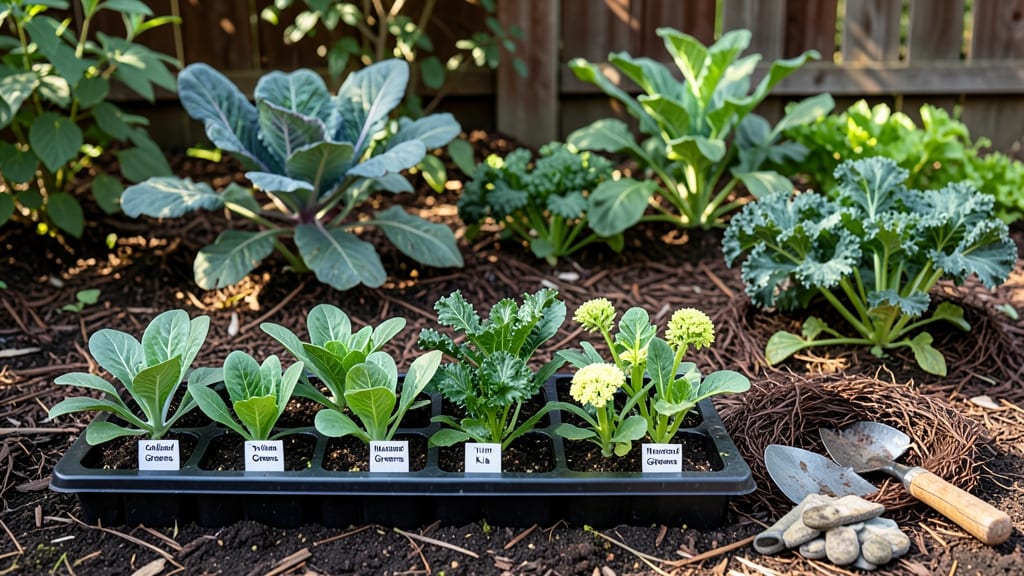
Planting a fall garden in Louisiana starts between late July and early September—the window that gives your 🥬 crops enough heat to mature before the first frost.
Louisiana’s long, hot summers make fall gardening a game-changer—but planting too early or late can spell disaster for your crops. Timing is everything when it comes to beating the heat and avoiding frost, so let’s break down the exact windows for a thriving fall garden in the Bayou State.
In USDA Zones 8a-9b, the average first frost hits around mid-November, leaving just 6-8 weeks for crops to reach maturity. That means your last planting date is critical—too soon, and the soil stays too hot; too late, and your greens bolt before harvest.
Below, I’ll walk you through the best crops for Louisiana’s heat, how to adjust for regional differences (New Orleans vs. Shreveport), and pro tips to stretch your harvest season without risking frost damage.
Louisiana’s fall planting deadlines by region: avoid these critical mistakes
Timing your fall garden in Louisiana isn’t one-size-fits-all. The state’s humid subtropical climate creates stark differences between New Orleans’ coastal warmth and Shreveport’s inland heat retention. Plant too early, and your heat-sensitive crops bolt before harvest.
Plant too late, and early frosts ruin your efforts. Let’s cut through the confusion with science-backed deadlines tailored to your region.
First, understand Louisiana’s USDA Zones 8a-9b and how they impact your planting window. The average first frost ranges from mid-November in Shreveport to late November in New Orleans, but microclimates—like urban heat islands or river valleys—can shift this by 2-3 weeks.
For example, Baton Rouge’s frost-free season lasts 220 days, while Lake Charles’ stretches to 230 days.
Here’s the golden rule: Plant 6-8 weeks before your expected first frost. But which date is right for you? The answer depends on whether you’re in southern Louisiana’s coastal regions or northern Louisiana’s inland areas. Let’s compare the critical deadlines side by side.
Notice how coastal regions like New Orleans and Lake Charles get a 2-week extension compared to inland Shreveport? This is why lettuce and spinach thrive in your neighbor’s yard but bolt in yours.
The heat tolerance threshold for crops like okra (80°F) vs. kale (75°F) explains why some plants succeed where others fail. For example, black-eyed peas can handle 78°F soils, while radishes need cooler 70°F to germinate properly.
Urban vs. rural microclimates add another layer. Concrete jungles in New Orleans hold heat longer, allowing you to plant peppers and tomatoes up to October 5 if you use row covers.
Meanwhile, rural areas near forests or waterways may experience earlier frosts. Test your soil temperature with a soil thermometer—aim for below 85°F before planting heat-sensitive crops like collards.
One critical mistake I see Louisiana gardeners make? Ignoring succession planting. Instead of planting all your bush beans at once, stagger them every 2 weeks from August 15 to September 15
Best heat-tolerant fall crops for Louisiana: what to plant now (and what to skip)
Louisiana’s fall gardening thrives on heat-tolerant crops that handle humidity and lingering summer heat. Unlike northern states, lettuce and spinach bolt quickly here—so we focus on okra, sweet potatoes, and collards that love the warmth.
Planting too early means stunted growth; too late risks frost damage before harvest. Let’s zero in on the best performers and the worst offenders for your fall garden.
The key to success is soil temperature—aim for 85°F or below before planting. Most heat-loving crops like black-eyed peas and peppers can handle 90°F soil, but leafy greens need cooler roots to thrive.
Start seeds indoors in late July for a head start, or direct-sow after August 15 when daytime temps dip below 90°F. This timing ensures harvests before the November frost hits.
✅ DO Plant These Heat-Tolerant Fall Crops
| Crop | Planting Window | Heat Tolerance | Why It Works |
|---|---|---|---|
| Okra | Late July–Early August | 90°F+ soil | Thrives in humidity; pods mature in 50–60 days. |
| Sweet Potatoes | Early July–Mid-August | 85°F+ soil | Long vines tolerate heat; harvest before frost. |
| Collards | Mid-August–Late September | 80°F+ soil | Sweeter after light frost; 45–60 days to harvest. |
| Black-Eyed Peas | Late July–Early September | 95°F+ soil | Drought-resistant; pods ready in 50–70 days. |
❌ Skip These Traditional Fall Crops (They Fail in LA!)
| Crop | Why It Fails | Better Alternative |
|---|---|---|
| Lettuce | Bolts in 90°F+; bitter taste. | Arugula (tolerates heat better). |
| Spinach | Fleas beetles love it; poor yield. | Swiss Chard (more resilient). |
| Broccoli | Needs cool nights to form heads. | Cauliflower (more heat-tolerant). |
For okra and sweet potatoes, prioritize well-draining soil to prevent rot in Louisiana’s heavy clay. Amend beds with compost and sand for faster drainage. Collards and black-eyed peas benefit from mulching to retain moisture during dry spells. Avoid overwatering—root crops like sweet potatoes rot in soggy soil.
Pro tip: Plant okra near tomatoes to deter pests, and intersperse collards with onions to improve flavor. These pairings boost yields while keeping aphids and cabbage worms at bay. Harvest okra pods every 2–3 days to encourage continuous production—overripe pods turn woody and tough.
If you’re tempted to squeeze in cool-season crops like kale or radishes, start them after