
Planting
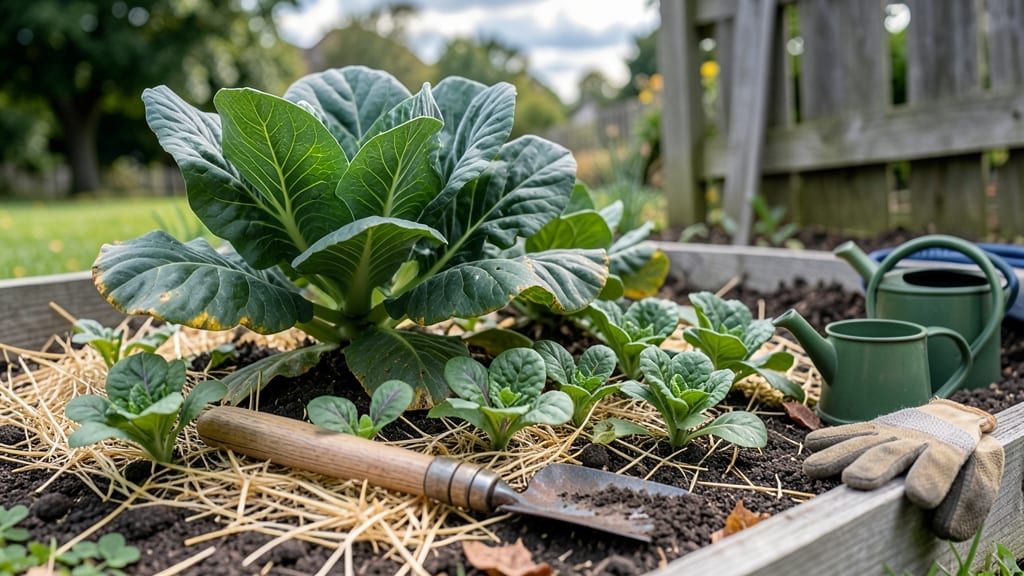
Planting a fall garden in Mississippi means timing your crops to beat the frost while avoiding the dog days of summer heat.
Mississippi’s long, humid growing season isn’t just for summer crops—with the right timing, you can enjoy fresh fall vegetables straight from your garden until the first frost. But planting too early or late can mean wasted effort or stunted harvests.
Mississippi’s USDA Zones 7-8 give you a narrow window to work with: soil temperatures must cool enough for cool-season crops, but not so late that the harvest gets cut short by frost.
The key is knowing when to start seeds indoors, when to transplant, and which crops can handle Mississippi’s unpredictable late-summer heat spikes.
In this guide, I’ll break down the ideal planting dates for everything from leafy greens to brassicas, plus soil temperature charts and frost-risk tools to help you plan a fall garden that delivers harvests right up to the first freeze.
Mississippi fall planting calendar by crop type: ideal dates based on soil temperature and frost risk
Mississippi’s USDA Zones 7-8 offer a unique opportunity for fall gardening, but timing is everything. The key is balancing soil temperatures (aim for 50-75°F) with first-frost dates, which vary by region—North Mississippi averages November 15, while South Mississippi often waits until November 25.
Start too early, and your plants bolt; wait too late, and frost ruins your harvest.
Use a soil thermometer to guide planting. Most cool-season crops thrive when soil temps drop below 80°F but stay above 50°F. Warm-season holdovers like tomatoes and peppers need 60°F+ soil and should be planted 6-8 weeks before first frost to mature.
Let’s break down the best planting windows for each crop type.
🌱 SUMMARY-TABLE: Mississippi Fall Planting Calendar
| Crop Type | Ideal Planting Window | Soil Temp (°F) | Days to Harvest | Notes |
|---|---|---|---|---|
| Cool-Season Greens (Lettuce, Spinach, Kale) | Late July - Early August | 50-65°F | 30-50 | Direct sow after soil cools; succession plant every 2 weeks |
| Brassicas (Broccoli, Cabbage, Cauliflower) | Mid-August - Late August | 55-65°F | 60-90 | Start seeds indoors 4-6 weeks before transplanting |
| Root Vegetables (Carrots, Beets, Radishes) | Early August - Mid-September | 50-70°F | 40-70 | Loosen soil to prevent forking; thin seedlings |
| Warm-Season Holdovers (Tomatoes, Peppers, Beans) | Late July - Early September | 60-75°F | 60-120 | Choose fast-maturing varieties; mulch to retain heat |
| Alliums (Onions, Garlic, Leeks) | Mid-September - Early October | 50-60°F | 90-120 | Plant sets for quicker harvest; protect from late frosts |
For cool-season crops, prioritize leafy greens and brassicas in late July to early August. These thrive in 50-65°F soil and can often survive light frosts. Lettuce and spinach bolt quickly in heat, so direct sow them once daytime temps drop below 85°F.
Use shade cloth if planting early to protect seedlings from afternoon sun.
If you’re extending the season for warm-season holdovers, focus on fast-maturing varieties like cherry tomatoes or bush beans. Plant these in late July to give them 60-75°F soil and 90+ frost-free days.
Mulch heavily with straw to maintain warmth and moisture. Avoid planting peppers after August—they need consistent heat to develop flavor.
Don’t overlook root vegetables like carrots and beets, which handle cooler soil better than leafy crops. Sow them in early August for harvests before frost. Loosen soil with a broadfork to prevent deformities, and keep beds consistently moist to encourage sweetness. Radishes mature in just
How to extend your Mississippi fall harvest: succession planting and frost-protection hacks
Mississippi’s fall season offers gardeners a second chance to grow fresh produce, but only if you plan strategically. The key to a zero-frost harvest lies in succession planting and smart frost protection—two techniques that can turn your late-season garden into a bounty.
I’ve learned through trial and error that staggered plantings every 2-3 weeks keep your kitchen stocked, while simple low-tech frost barriers can buy you extra weeks of growing time.
First, understand that Mississippi’s USDA Zones 7-8 create microclimates where frost dates vary by 1-2 weeks between north and south. Northern regions like Tupelo often see frost by mid-November, while southern areas like Biloxi may delay until December.
This variability means your planting schedule should account for local conditions, not just calendar dates.
- 📅 Start warm-season crops (like tomatoes and peppers) by July 15 for a late harvest—these need 90+ days to mature.
- 🌱 Succession plant leafy greens (kale, spinach) every 2 weeks from August 15 to September 15 for continuous harvests.
- 🛡️ Use row covers or cold frames to protect frost-sensitive crops (like lettuce) until mid-October, extending harvests by 3-4 weeks.
- 🌡️ Monitor soil temperatures—cool-season crops thrive when soil is 50-65°F. Test with a soil thermometer before planting.
- 🌿 Choose frost-tolerant varieties like ‘Winterbor’ kale or ‘Red Russian’ kale, which survive 20°F without protection.
For succession planting, focus on crops with short maturity times, like bush beans (50 days) or radishes (25 days). I’ve had the most success with baby greens—sow a small patch every 10 days starting in early September.
This ensures you’re always harvesting fresh leaves while older plants mature. Pair these with longer-season crops like broccoli or cauliflower, which benefit from an early start in late July.
When frost threatens, don’t panic—simple low-tech solutions work wonders. A floating row cover (like Reemay fabric) can raise temperatures by 5-8°F, protecting tender crops. For hardier plants, a cold frame or even a plastic milk jug over individual plants creates a microclimate.
I’ve saved entire lettuce and spinach batches using this method, extending harvests well into December in milder years.
Knowing which crops to prioritize is crucial. Frost-sensitive plants like cucumbers or squash should be planted by mid-July to mature before frost. Meanwhile, frost-tolerant crops like carrots or beets can handle light frosts and even improve in flavor.
My fall garden checklist starts with these hardy crops, then adds tender ones as the season progresses.
Finally, don’t forget to harvest strategically. Regularly picking leafy greens encourages new growth, while root vegetables like carrots can be left in the ground until needed. With these frost-proofing hacks and succession planting techniques, you’ll enjoy a continuous harvest long after your neighbors’ gardens have gone dormant. 🌿