
Planting
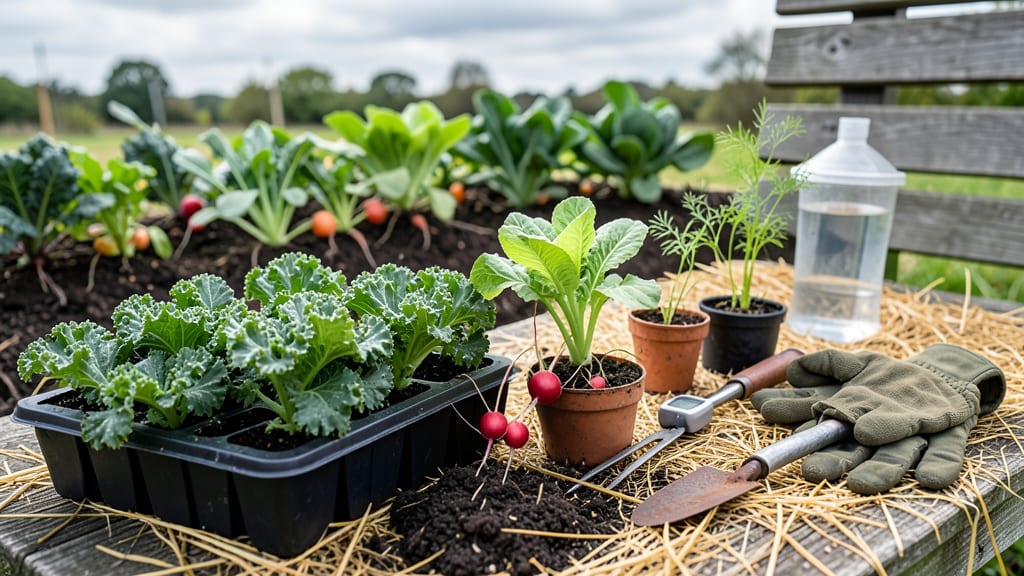
Planting your fall garden in Missouri between mid-August and mid-September is the key to a bountiful harvest before the first frost 🥬.
If you’ve ever watched summer heat stall your seedlings or frost nip your greens before they mature, you know timing is everything.
Missouri’s USDA Zones 5b-7a give you a narrow but sweet window—4-6 weeks before the average first frost—to get zero-frost crops like kale, carrots, and spinach in the ground.
This isn’t just about dates; it’s about soil temps, microclimates, and crop speed. Kansas City’s cooler nights may buy you an extra week, while St. Louis’s humidity can slow germination.
I’ll break down the exact windows, the crops that thrive, and the mistakes that kill yields—so you can plan like a pro.
By the end, you’ll know not just when to plant, but how to stretch your harvest into December with mulch, row covers, and smart succession planting. Let’s get those seeds in the soil at the perfect moment.
Missouri’s fall planting timeline: exact dates by region for zero-frost crops
Missouri’s fall season offers gardeners a second chance to grow fresh vegetables, but getting the timing right is critical. The key is planting 4-6 weeks before your area’s first frost date, when soil temperatures drop to a consistent 50°F.
In Missouri’s USDA Zones 5b-7a, this window varies by region—St. Louis and Kansas City have slightly different frost dates than rural areas. Let’s break down the exact dates you need to know to maximize your harvest.
For St. Louis (Zone 6a), the average first frost arrives around October 15, while Kansas City (Zone 6b) typically sees frost by October 20. Rural areas in northern Missouri, like those near Columbia, may experience frost as early as September 25.
These dates determine your last planting window for fast-maturing crops like radishes, spinach, and lettuce, which can thrive until a hard freeze.
Here’s the critical rule: Soil temperature must stay above 50°F for seeds to germinate properly. Use a soil thermometer to confirm—cool soils delay germination and stunt seedlings. If your soil is below 50°F, wait a few days or use a seedling heat mat to jumpstart growth.
This is especially important for slow-to-germinate crops like carrots and beets, which need consistent warmth.
Missouri’s microclimates mean urban areas like St. Louis often stay warmer longer than rural spots. If you’re in a city garden, you might push planting dates 3-5 days later than rural recommendations.
Conversely, elevated areas or open fields may experience frost 1-2 weeks earlier, so adjust accordingly. Always check your local Missouri Climate Center for real-time updates if you’re unsure.
If you’re planting transplants (like broccoli or cabbage seedlings), you can push the timeline slightly later. These hardy plants tolerate cooler soils and can go in the ground 2-3 weeks before your last frost date.
For example, in St. Louis, you could plant broccoli transplants as late as September 1 and still enjoy a harvest before frost. Just be sure to harden off seedlings for 7-10 days before transplanting to avoid shock.
For direct-sown seeds, timing is tighter. Crops like carrots and beets need warm soil to germinate, so plant them 4-6 weeks before your last frost date—no exceptions. If you miss this window, consider starting them indoors under grow lights and transplanting when soil temperatures drop.
This method works well for slow-to-mature crops like Brussels sprouts, which need a long growing season to produce quality harvests.
Don’t overlook succession planting for late-season crops. Even after your main planting window closes, you can still sow fast-growing greens like radishes or arugula every 10-14 days until September 20.
These crops mature quickly and can be harvested before frost, giving you fresh greens straight from your garden well into October. Pair them with cold-hardy herbs like parsley or cilantro for a flavorful fall harvest.
One of the biggest mistakes Missouri gardeners make is ignoring soil preparation before fall planting. Amend your soil with compost or aged manure 2-3 weeks before planting to improve drainage and fertility.
Fall soils can become compacted from summer rains, so add organic matter to ensure roots have room to grow. A simple soil test (available through your local extension office) will tell you if your soil needs additional phosphorus or potassium for fall crops.
As frost approaches, focus on protecting your plants rather than panicking. Use row covers, cold frames, or low tunnels to shield tender crops like lettuce and spinach. These tools can push back frost by 1-2 weeks, giving you extra time to harvest.
For high-value crops like garlic or onions, plant them 4-6 weeks before the ground freezes—they’ll overwinter and produce a
Best zero-frost fall vegetables for Missouri gardens (and how to stretch their harvest)
Missouri’s fall gardens thrive when you focus on cold-hardy crops that tolerate light frosts and even flourish under crisp air. The key is selecting varieties that mature quickly but can withstand 20-25°F temperatures—perfect for extending harvests into December.
My top picks prioritize yield potential, frost tolerance, and Missouri’s short growing season after Labor Day.
These 12 zero-frost vegetables are ranked by their ability to produce abundant harvests while resisting frost damage. I’ve included succession planting tips to keep your kitchen garden stocked until hard freezes arrive.
For example, kale and carrots get sweeter after light frosts, while garlic planted in fall actually bulbs up better with winter chill.
🌱 Top 12 Zero-Frost Fall Vegetables for Missouri
- 1. Kale – 60-70 days to harvest; sweetens after frost. Plant August 15-Sept 15 for winter harvests.
- 2. Carrots – 60-80 days; tolerates 20°F. Sow July 15-Sept 1 for staggered harvests.
- 3. Spinach – 30-50 days; bolt-resistant varieties. Direct sow Aug 1-Sept 15.
- 4. Garlic – Plant Oct 1-Nov 1; harvest next June. Hardneck types thrive in Missouri.
- 5. Radishes – 25-30 days; fastest zero-frost crop. Sow Aug 15-Oct 1 every 2 weeks.
- 6. Lettuce – 30-60 days; choose cold-hardy varieties like Winter Density. Plant Aug 1-Sept 15.
- 7. Beets – 50-70 days; roots sweeten with frost. Direct sow July 15-Sept 1.
- 8. Turnips – 40-60 days; both greens and roots edible. Plant Aug 1-Sept 15.
- 9. Swiss Chard – 50-60 days; stays productive until spring. Start Aug 1-Sept 1.
- 10. Broccoli – 60-80 days; harvest before heavy frost. Transplant Aug 1-Sept 15.
- 11. Brussels Sprouts – 80-100 days; flavors improve after frost. Plant July 15-Aug 15.
- 12. Peas (Sugar Snap) – 60-70 days; tolerates light frost. Sow Aug 1-Sept 1.
💡 Pro Tip: Use row covers to extend harvests by 2-3 weeks in late fall.
To stretch harvests, I recommend succession planting every 2-3 weeks starting in mid-August. For example, sow radishes every 10 days until September 1—this ensures a continuous supply while older plants mature. Leafy greens like spinach and kale benefit from light frost, so don’t rush to harvest them early.
For root crops like carrots and beets, focus on soil preparation—loosen clay-heavy Missouri soils with compost to prevent forking. Mulch with straw or leaves after planting to insulate roots and protect from temperature swings. This simple step can double your harvest window in late fall.
Don’t overlook garlic as your long-term investment—planting cloves in October yields huge bulbs next summer. Missouri’s winters provide the ideal chill hours for hardneck varieties like Music or German White.
Break cloves apart, plant 2 inches deep, and cover with 3 inches of mulch to prevent heaving.
Finally, monitor frost dates using your local USDA Zone 6 averages. While these crops tolerate light frosts, a hard freeze (below 20°F) will damage most greens. Use frost cloth or low tunnels to protect high-value crops like broccoli and Brussels sprouts until they’re fully harvested.