
Planting
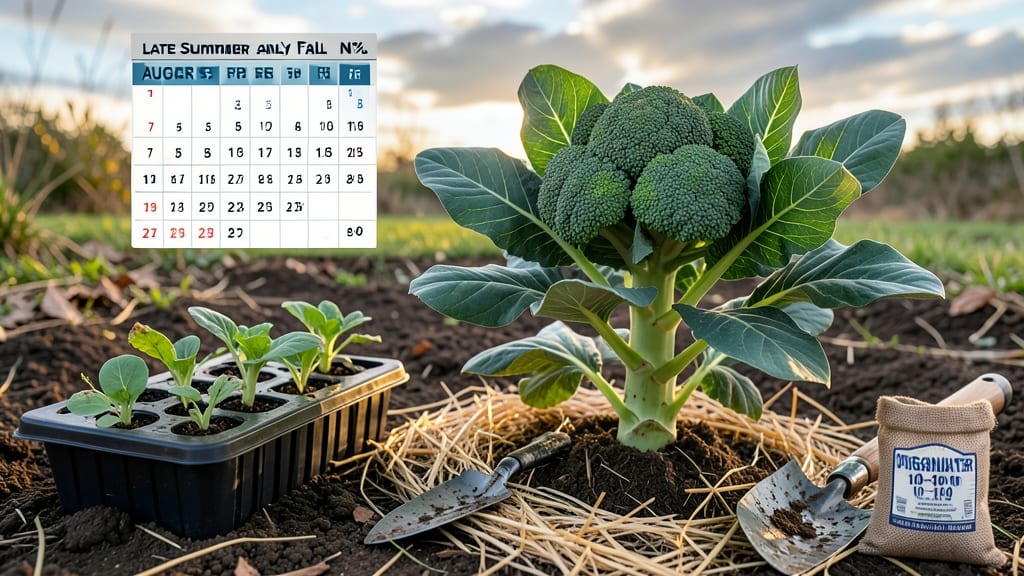
Planting a fall garden in North Carolina means timing it just right to beat the frost 🌱—your window is narrower than you think, and missing it can mean wasted seeds or stunted harvests.
North Carolina’s diverse microclimates mean your fall garden’s success hinges on planting at the perfect time—miss the window, and you’ll risk frost-killed crops or stunted growth. Whether you’re in the mountains, piedmont, or coastal plains, the right timing makes all the difference.
This guide breaks down the exact dates for cool-season crops like kale, broccoli, and carrots, tailored to your county’s frost zone. No more guessing—just actionable steps to maximize your harvest before winter sets in.
Learn how to adjust for your local microclimate, choose the fastest-growing varieties, and extend your growing season with simple tricks. By the end, you’ll know exactly when to plant for a thriving fall garden in NC.
NC fall planting deadlines by county: frost dates and microclimate zones
North Carolina’s fall planting season varies dramatically by region—what works in the mountains of Haywood County (USDA zone 7a) fails in the coastal plains of Craven County (zone 8a). The key? Planting within 4-6 weeks before your first frost, adjusted for your microclimate.
Mountain areas freeze earlier, while coastal zones stay warm longer, creating a 3-4 week planting window difference across the state.
For cool-season crops like kale, broccoli, and carrots, timing is critical. Plant too early, and they bolt; too late, and frost ruins them.
Use local frost charts from NC State Extension as your guide, but remember: elevations above 3,000 feet (like in the Blue Ridge) can add 2-3 weeks of chill compared to piedmont valleys.
Below, I’ve broken down last planting deadlines by county type, accounting for mountain, piedmont, and coastal variations. These dates assume 60-75 day maturity crops—adjust for faster/slower varieties. Always check your specific county’s 10-year frost average via the NC Climate Office for precision.
For mountain counties like Asheville, aim to plant cool-season crops by September 15. The Blue Ridge escarpment creates microclimates where valleys freeze 3-5 days earlier than ridge tops.
Use NC A&T’s frost risk map to pinpoint your exact zone—some mountain gardens experience 10°F temperature swings in a single night.
In the piedmont (Raleigh-Durham area), focus on broccoli, kale, and carrots planted by October 1. These areas benefit from warmer soils longer, but heavy clay soils can delay germination.
Amend with compost or sand to improve drainage. Pro tip: Succession plant radishes every 2 weeks for continuous harvests until frost.
Coastal NC gardeners have the longest fall window—up to November 1 for fast crops. Humidity here encourages fungal diseases, so space plants 12-18 inches apart and water early in the day. Collard greens thrive here; start seeds by September 15 for a December harvest.
Regardless of region, soil temperature matters more than air temperature. Use a soil thermometer—ideal temps for fall planting are 50-65°F. Cold soil slows germination; wait until soil warms to 55°F before sowing peas or spinach.
For mountain gardens, test soil weekly in September—it can drop 10°F overnight
Best fall crops for NC’s short growing season: fast-germinating varieties by region
North Carolina’s fall growing season is short but sweet—if you pick the right crops. The key is selecting fast-germinating varieties that thrive in cool temperatures and mature before the first frost.
In the mountains (USDA zones 6-7), you’ll need crops that tolerate brisk nights, while coastal regions (zones 8a-8b) can push harvests later with mild winters.
For Piedmont gardens, focus on cold-hardy greens like ‘Winterbor’ kale and ‘Tokyo Bekana’ bok choy, which germinate in just 5-7 days and mature in 30-45 days. These varieties handle light frosts and even taste sweeter after a 28°F chill.
Meanwhile, coastal gardeners can extend their season with ‘Stupice’ carrots (germinates in 10-14 days) and ‘Sugar Snap’ peas, which thrive in 60-70°F soil.
| Region | Crop | Germination Time | Maturity Days | Soil Prep Tip |
|---|---|---|---|---|
| Mountains (Zones 6-7) | ‘Winterbor’ Kale | 5-7 days | 30-45 days | Add compost to improve drainage |
| Piedmont (Zones 7a-7b) | ‘Tokyo Bekana’ Bok Choy | 5-7 days | 28-35 days | Test soil pH (6.0-7.0) |
| Coastal (Zones 8a-8b) | ‘Stupice’ Carrots | 10-14 days | 60-70 days | Loosen soil to 12" depth |
| All Regions | ‘Sugar Snap’ Peas | 7-10 days | 55-65 days | Plant after soil warms to 60°F |
Avoid slow-to-germinate crops like lettuce (‘Black Seeded Simpson’), which takes 14-21 days to sprout—too late for NC’s short fall window. Instead, opt for ‘Early Wonder’ beets (germinates in 7-10 days) or ‘Red Russian’ kale, which handles light frosts and bolting better than other varieties.
For herbs, ‘Mizuna’ greens and ‘Cilantro ‘Slow Bolt’ are top picks—they germinate in 5-7 days and tolerate cooler temps down to 25°F.
Soil prep is critical to avoid rot or stunted growth. Before planting, amend soil with compost to improve drainage and nutrient retention. In heavy clay soils (common in Piedmont), mix in sand or peat moss to prevent waterlogging.
For sandy soils (coastal areas), add organic matter like leaf mold to retain moisture. Always water deeply after planting to encourage root establishment—especially for slow-starting seeds like carrots.
Timing is everything: Plant cool-season crops 6-8 weeks before the first frost (check your local frost date—typically mid-October in mountains to November in coastal NC). For extended harvests, use row covers to protect crops like spinach and radishes from early frosts.
Succession plant fast-maturing crops like ‘Cherry Belle’ radishes (germinates in 3-5 days) every 2 weeks to ensure a steady supply.
Don’t overlook flowers like ‘Sweet Alyssum’ or ‘Pansies’, which