
Planting
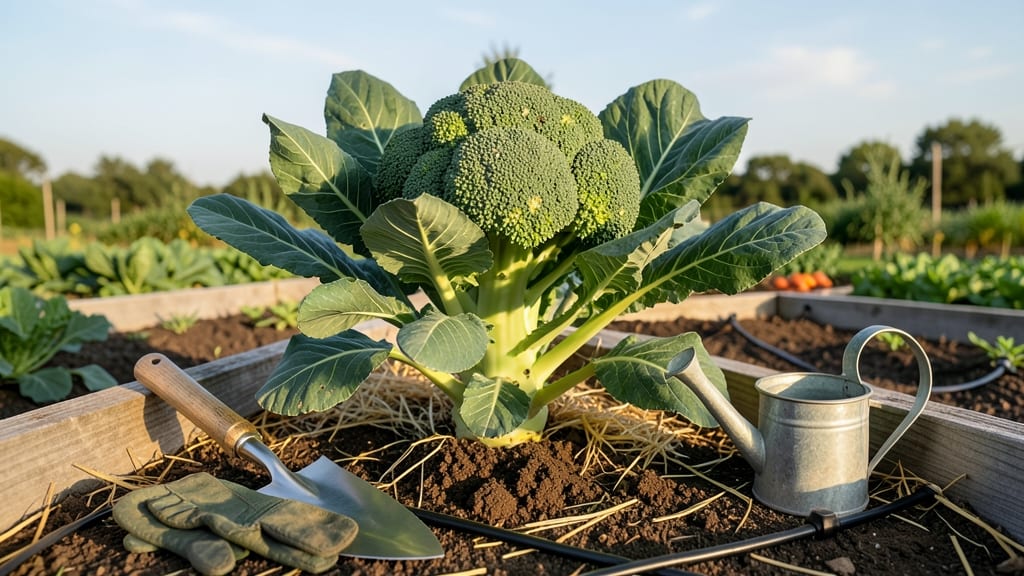
Planting your fall garden in North Texas at the right time means the difference between a bountiful harvest and a sad pile of wilted seedlings—so timing is everything.
North Texas gardeners know summer’s brutal heat can turn your yard into a desert—but with the right timing, you can beat the heat and grow a thriving 🌱 fall garden.
Planting too early means seedlings struggle in the residual summer heat, while waiting too long risks a short season before frost. The sweet spot? Late August for heat-tolerant crops like kale and collards, and mid-September for cooler-loving greens.
This isn’t just about dates—it’s about understanding your microclimate. Urban Dallas can run 5°F warmer than rural areas, and a late summer heatwave can push back planting by weeks.
I’ll walk you through the exact windows for your favorite crops, how to adjust for unpredictable weather, and the top 5 fall crops that thrive in North Texas soil.
Skip the guesswork and get the precise planting schedule tailored to your zone, plus pro tips to stretch your harvest well into December—no frost damage required.
North Texas fall planting calendar: exact dates by crop heat tolerance
Timing is everything in North Texas fall gardening. The average first frost date hovers around November 15, but soil temperatures and heat tolerance of crops dictate your planting windows.
Heat-sensitive greens like lettuce and spinach need cooler air and soil, while kale and collards thrive in milder heat. Understanding these thresholds helps you avoid bolting or stunted growth.
Start by checking your soil temperature—most cool-season crops prefer 60-65°F soil. Use a soil thermometer to confirm readiness before planting. In North Texas, late August marks the beginning of the fall planting window, but the ideal time varies by crop type.
Heat-tolerant varieties can handle slightly warmer conditions, while sensitive crops need cooler nights to thrive.
Here’s how to align your planting with North Texas’ microclimates. Urban areas like Dallas may experience 2-3°F warmer soil than rural zones, delaying optimal planting by 1-2 weeks. Adjust your schedule based on your location’s last frost date and historical temperature trends.
🌱 Comparison Table: Heat-Tolerant vs. Heat-Sensitive Crops
For heat-sensitive crops like lettuce, aim to plant by early September to avoid bolting (premature flowering). These crops need cooler nights (65°F or below) to develop properly. If you plant too late, your harvest may suffer from bitter flavors or stunted growth.
On the other hand, heat-tolerant crops like kale and collards can handle warmer soil temperatures up to 75°F. These varieties are your best bet for late summer planting (even as late as early October) if you’re extending your season.
They also sweeten after frost, making them ideal for fall harvests.
Use row covers or shade cloth to protect sensitive seedlings if you’re planting in late August. These tools create a microclimate that mimics cooler conditions, giving your plants a head start.
Monitor your garden daily—North Texas’ unpredictable weather can shift from 90°F days to 50°F nights in a matter of weeks.
Plan for succession planting
How to adjust planting times for North Texas’ unpredictable weather patterns
North Texas’ unpredictable weather can throw off even the most experienced gardener. One day it’s 90°F heatwaves, the next a surprise 40°F cold snap. The key to success? Flexible planting strategies that adapt to Mother Nature’s whims.
I’ve learned to use row covers, fast-maturing varieties, and soil temperature monitoring to stretch my growing season—here’s how you can too.
Start by planting heat-tolerant crops like kale or collards in late August when soil temps are still warm. These cool-season workhorses handle brief heatwaves better than delicate lettuce or spinach.
For sensitive greens, wait until mid-September when daytime temps drop below 85°F. This simple shift can mean the difference between bolting plants and lush harvests.
Don’t overlook microclimates in North Texas. Urban areas like Dallas stay warmer than rural Waco due to heat islands. If you’re in a city, start heat-loving crops like Swiss chard a week earlier.
For cooler pockets (like Hill Country), hold off until late September to avoid early frosts.
When September rolls in, shift to cool-season staples like carrots, beets, and turnips. These thrive in 50-65°F soil and tolerate light frosts. I’ve had great luck with 'Paris Market' carrots—they mature in 60 days and handle North Texas’ unpredictable October weather like a champ.
By mid-October, focus on fast finishers like spinach and radishes. These can often survive light frosts (down to 25°F) and may even sweeten in cold weather. If a hard freeze is forecasted, cover plants with straw mulch or old blankets to protect them until temps rise.
Remember: North Texas’ first frost typically hits around November 15, but it can arrive as early as October 20 or as late as December 1.
The secret to beating the odds? Stay flexible, adjust your timeline, and always have a backup plan for those unpredictable weather surprises. 🌱