
Planting
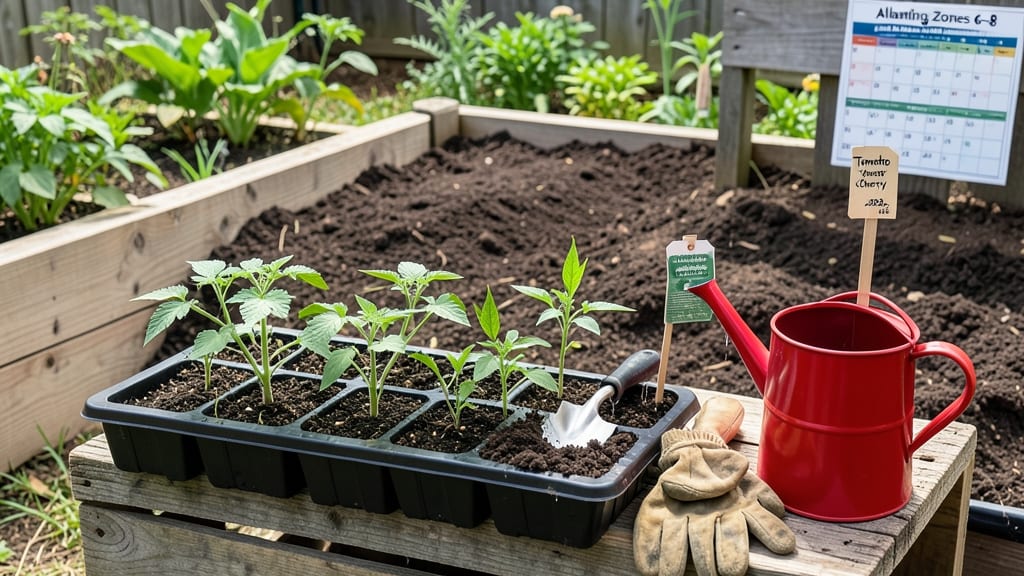
Planting your garden in Alabama after the last frost date—typically mid-March—sets you up for a long, productive season with heat-tolerant crops like okra and sweet potatoes.
But here’s the catch: Alabama’s humid summers and microclimates (coastal vs. inland) mean timing isn’t one-size-fits-all. Miss the window, and you risk bolted greens or stunted tomatoes before you even harvest.
This guide breaks down the exact months to plant for your zone, whether you’re in Zone 7a’s cooler north or Zone 8b’s hotter south, plus how to adjust for summer heat waves and unpredictable rains.
You’ll leave here knowing when to start seeds indoors, the best transplant dates for your region, and how to stretch your harvests—without the guesswork.
Alabama planting zones & frost-free dates by region
Alabama spans USDA Hardiness Zones 7a through 8b, giving gardeners a 210-240 day frost-free window to grow everything from heat-loving okra to cool-season greens.
The state’s humid subtropical climate means last frost dates can vary by 2-3 weeks between northern and southern regions, while first frost arrives earlier in the mountains than coastal areas.
Knowing your exact zone helps you time warm-season crops like tomatoes and peppers perfectly—planting too early risks frost damage, while waiting too long cuts yields. Urban areas like Birmingham often experience heat islands that push planting windows 1-2 weeks earlier than rural zones.
Let’s break down what you need to know for each region.
🌱
For example, in Zone 7a (like Huntsville), you can safely plant tomatoes and peppers outdoors by April 15, while Zone 8b (Mobile area) gardeners can start okra and sweet potatoes as early as March 1.
The key is to wait until soil temps hit 60°F+ for warm-season crops—use a soil thermometer to avoid false starts.
Urban gardeners in Birmingham or Montgomery often face microclimate heat spikes that allow earlier planting of heat-tolerant crops. Check local weather stations or use the USDA Plant Hardiness Zone Map to pinpoint your exact zone.
For coastal areas, humidity extends the growing season—fall crops like broccoli can thrive until December.
🌡️
Adjust your planting schedule if you’re in a heat island (common in cities). Urban areas can be 5-10°F warmer than rural zones, pushing last frost dates 1-2 weeks later.
Test your garden’s microclimate by monitoring nighttime temps—if they stay above 50°F, you can extend fall planting into October.
For warm-season crops like okra, peppers, and sweet potatoes, aim to plant 4-6 weeks before your area’s last frost. In Zone 8b, this means late February, while Zone 7a gardeners should wait until mid-April.
Use row covers or cold frames to protect seedlings if early planting is tempting.
🌿
Pro tip: Start heat-loving seeds indoors 6-8 weeks before your last frost date. For tomatoes and peppers, this means mid-January for Zone 8b and late February for Zone 7a. Use grow lights to prevent leggy seedlings—Alabama’s short winter days limit natural light.
Always account for first frost risks when planning fall crops. In Zone 7a, first frost arrives by November 15, so cool-season crops like kale and spinach should be planted by August 15. Coastal gardeners in Zone 8b can push this to September 30 thanks to milder winters.
Heat-tolerant crops planting schedule for Alabama’s summer & fall
Alabama’s summer heat and long fall season provide the perfect window for growing heat-tolerant crops like okra, sweet potatoes, and black-eyed peas. These crops thrive when planted at the right time to avoid bolting or stunted growth from extreme temperatures.
Unlike cool-season crops, these plants need consistent warmth to produce their best yields, making timing critical for a successful harvest.
For Alabama gardeners, the key months to focus on are June through October, where soil temperatures remain high and daylight hours are optimal. Understanding succession planting strategies is also essential—planting in stages ensures a continuous harvest before the first frost arrives in late November.
Let’s break down the best times to plant these heat-loving crops to maximize your garden’s potential.
🌱 Numbered Planting Highlights for Alabama’s Summer & Fall
- June: Transplant okra and sweet potatoes after soil temps reach 70°F+. Start black-eyed peas from seed.
- July: Plant melons and squash for late-summer harvests. Succession plant okra every 2 weeks.
- August: Direct-sow black-eyed peas and cowpeas for fall harvests. Mulch heavily to retain moisture.
- September: Transplant fall okra and sweet potatoes for extended harvests. Avoid planting after mid-September in Zone 8b.
- October: Harvest remaining melons and squash before first frost. Clear beds for winter prep.
When planting okra in June, choose fast-maturing varieties like 'Clemson Spineless' to avoid the heat stress that can cause bolting. Start seeds indoors in late May for a head start, then transplant after the last frost date in your region.
Okra thrives in full sun and well-draining soil, so amend clay-heavy Alabama soil with compost to improve drainage and fertility.
Sweet potatoes are another heat-loving crop that should be planted in June or early July using slips (young plants) rather than seeds. Choose varieties like 'Beauregard' or 'Georgia Jet', which mature in 90-110 days.
Plant slips in hills with 12 inches between plants and cover with mulch to conserve moisture during Alabama’s dry spells. Harvest before the first frost to prevent damage.
For black-eyed peas, succession planting is key. Start your first batch in June and follow up with 2-3 more plantings every 3 weeks to ensure a continuous harvest.
These peas tolerate heat well but benefit from light shade during Alabama’s hottest afternoons. Harvest pods when they’re firm and plump—usually 60-70 days after planting—for the best flavor.
Melons, including cantaloupes and watermelons, should be planted in late June or early July for a fall harvest. Choose heat-tolerant varieties like 'Sugar Baby' watermelon or 'Hale’s Best' cantaloupe.
Plant seeds 1 inch deep in mounds with 3-4 feet between plants to allow for proper vine spread. Mulch heavily to keep roots cool and reduce water loss.
To extend your harvests, practice succession planting by staggering plantings every 2-3 weeks through August. This ensures a steady supply of fresh produce before the first frost. For example, plant a second batch of okra in early August and a final batch of black-eyed peas in late August.
Always monitor soil moisture—Alabama’s summer heat can dry out soil quickly, so water deeply in the morning to avoid fungal issues.