
Planting
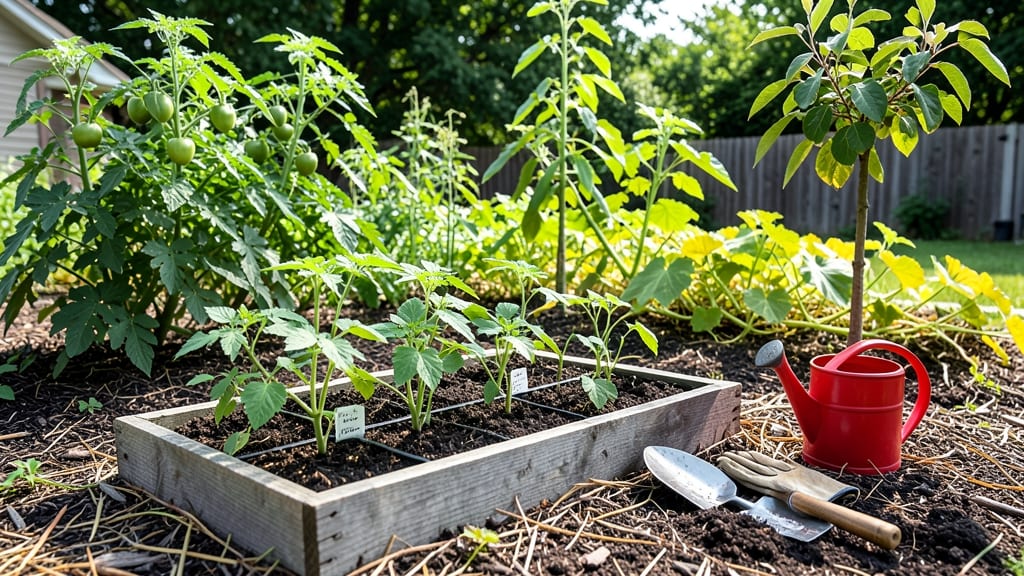
Planting a garden in Arkansas after the last frost date — usually mid-March to early April in Zone 7b — is the key to avoiding frost damage and maximizing your harvest.
Arkansas gardeners know timing is everything—plant too early and face frost, too late and miss peak harvests. With Arkansas’ Zone 7b climate, mastering the perfect planting schedule can mean the difference between a thriving garden and a frustrating season.
This guide breaks down the exact dates for cool-season crops like lettuce and warm-season favorites such as tomatoes, plus how to adjust for Arkansas’ unpredictable weather patterns.
You’ll learn which fast-growing crops to prioritize, how to protect seedlings from late frosts, and when to start preparing your soil for a successful spring harvest.
Arkansas Zone 7b planting calendar: exact dates for vegetables, herbs, and flowers
Arkansas' Zone 7b climate offers a long growing season of about 240 frost-free days, but exact planting dates vary by region. Northern Arkansas (like Fayetteville) typically has a later last frost around April 15-30, while southern Arkansas (Little Rock area) warms up 1-2 weeks earlier.
Always check local USDA frost maps for precise adjustments.
Your first frost usually arrives between October 15-30, but microclimates near rivers or hills can delay frost by 1-2 weeks. Warm-season crops like tomatoes and peppers need soil temperatures above 60°F—wait until mid-April to May for northern Arkansas and late March to April in the south.
| Category | Northern Arkansas (Fayetteville) | Central Arkansas (Little Rock) | Southern Arkansas (El Dorado) |
|---|---|---|---|
| Last Frost Date | April 15-30 | April 1-15 | March 20-April 5 |
| First Frost Date | October 15-30 | October 10-25 | October 5-20 |
| Cool-Season Start | March 1-April 15 | February 20-April 1 | February 1-March 15 |
| Warm-Season Start | April 15-May 1 | April 1-April 15 | March 20-April 1 |
| Peak Summer Heat | June-August | June-August | May-July |
| Fall Planting Window | August 15-September 15 | July 30-September 1 | July 15-August 30 |
For cool-season crops like lettuce, spinach, and broccoli, start seeds indoors 4-6 weeks before your last frost or sow directly in early spring (March-April). These hardy plants tolerate light frosts and can even thrive in fall planting until September-October.
Warm-season vegetables like tomatoes, peppers, and cucumbers need consistent warmth. Plant after your last frost date when soil reaches 60°F+. In northern Arkansas, this is typically mid-April to early May, while southern regions can start 2 weeks earlier.
Use black plastic mulch to warm soil faster if needed.
Herbs like basil and cilantro have different needs—basil thrives in hot weather and should wait until after last frost, while cilantro bolts in heat and prefers spring or fall planting. Parsley and chives are more flexible and can handle both spring and fall in Arkansas' climate.
Flowers like marigolds and zinnias are heat-tolerant and can be sown directly after last frost.
For cool-season blooms like pansies and snapdragons, plant 4-6 weeks before last frost or in late summer for fall color. Perennials like daylilies and coneflowers should be planted in spring or early fall for best establishment.
Use row covers or cold frames to extend your spring and fall growing seasons by 2-4 weeks. These protect delicate seedlings from late frosts (common in Arkansas' Zone 7b) and early autumn chills.
Always monitor local weather forecasts—a 50°F night can damage tender plants like tomatoes and peppers.
Southern Arkansas' warmer microclimate allows for earlier planting of warm-season crops, but humidity and pests are more intense. Choose disease-resistant varieties and water in the early morning to prevent fungal issues. Northern Arkansas gardeners should focus on heat-tolerant varieties and season extension techniques.
Mark your calendar with these Arkansas Zone 7b deadlines: - March-April: Plant cool-season crops - April-May: Start warm-season crops - July-August: Begin fall planting - September-October: Harvest remaining cool-season crops 🌱
How to adjust planting times for Arkansas’ unpredictable weather patterns
Arkansas’ Zone 7b climate brings warm springs, hot summers, and unpredictable late frosts—making precise planting timing critical. I’ve learned the hard way that one week too early can kill tender seedlings, while planting too late risks stunted growth before harvest.
The key lies in flexibility: adjusting for soil temperature, microclimates, and Arkansas-specific weather quirks like humidity spikes that delay frost.
Start by calculating your last frost date—typically mid-April in central Arkansas but ranging from late March in southern regions to early May in the Ozarks. Use the National Weather Service’s frost predictions or local Cooperative Extension Service data for precision.
I always add a 2-week buffer after the average last frost date to account for Arkansas’ infamous late-spring cold snaps.
🌱 5 Proven Strategies for Arkansas Gardeners
- 1. Soil Warming Tricks: Use black plastic mulch or row covers to raise soil temps by 5-10°F—critical for warm-season crops like tomatoes and peppers.
- 2. Frost Protection: Plant heat-loving crops (e.g., okra, sweet potatoes) after Memorial Day when soil is consistently 65°F+.
- 3. Succession Planting: Sow lettuce and radishes every 2 weeks from March to August to stretch harvests.
- 4. Heat-Tolerant Varieties: Choose Arkansas-friendly plants like ‘Arkansas Traveler’ tomatoes or ‘Cayenne’ peppers bred for humidity.
- 5. Microclimate Mapping: Note sunniest spots (e.g., south-facing slopes) for early planting and shadier areas for cool-season crops.
For cool-season crops like kale and carrots, I plant 6-8 weeks before the last frost (early February in southern Arkansas, March in the north). Use row covers to extend harvests into late fall, even when temps dip to 28°F.
Pro tip: Hardening off seedlings 10 days before transplanting improves their resilience to Arkansas’ swinging temperatures.
Arkansas’ humid summers demand shade cloth for delicate greens like spinach and cucumbers to prevent bolt. I’ve found 30% shade cloth keeps soil moisture stable while allowing enough light for growth. Pair this with drip irrigation scheduled for early morning to avoid fungal diseases thriving in Arkansas’ 90°F+ afternoons.
Don’t overlook perennial adjustments—many, like asparagus and rhubarb, need cold stratification for spring growth. In Arkansas, plant perennials in fall (October-November) so roots establish before winter.
For bulbs like tulips, I plant in November for blooms by April’s last frost, timing them perfectly with Arkansas’ spring rain window.
Finally, track your garden’s personal frost dates for 3 years to refine your schedule. I keep a planting journal noting when tomatoes ripen or squash bolt—this data becomes your Arkansas-specific planting bible. With these adjustments, you’ll turn Arkansas’ unpredictable weather into a garden advantage.