
Planting
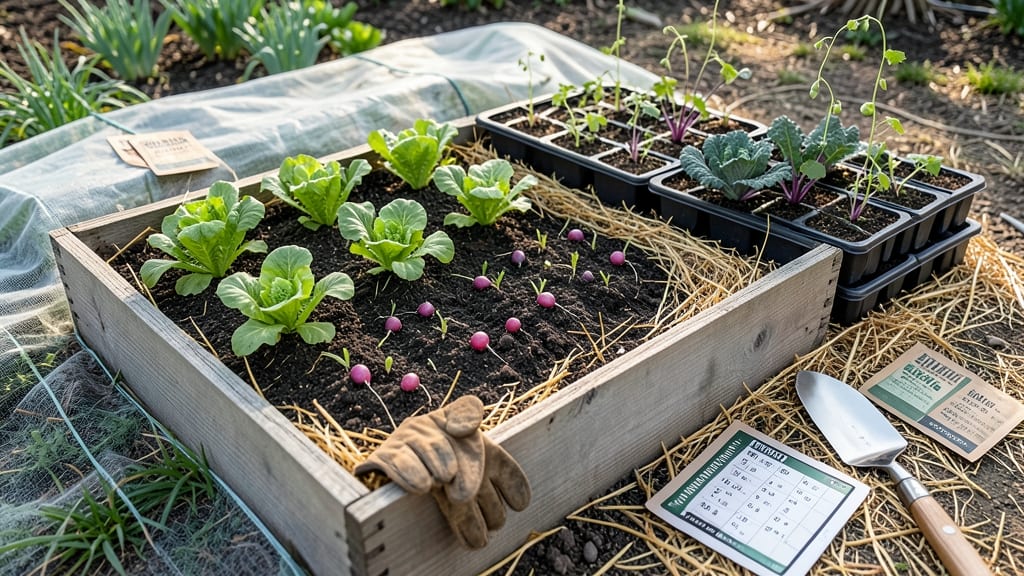
Planting your garden in Minnesota means timing it just right to beat the last frost—usually between late April and mid-May, depending on your Hardiness Zone 4B location.
Minnesota’s unpredictable frost dates can turn a gardener’s dream into a risky gamble—unless you know the exact planting windows for your specific area. One week too early, and your seedlings could end up as frostbitten snacks for the neighborhood squirrels.
This isn’t just about avoiding frost damage; it’s about maximizing your growing season. With the right timing, you can squeeze in two harvests—one in summer and another in fall—before the first frost rolls back in.
I’ll break down the best planting windows for vegetables, flowers, and perennials, plus tips for extending your season with row covers and cold frames so you can grow more without the guesswork.
Minnesota’s last frost dates by region: Hardiness Zone 4B planting calendar
Minnesota’s Hardiness Zone 4B means our growing season is short but packed with potential—if you time your plantings right. The average last frost dates vary dramatically across regions, from May 10-15 in Minneapolis to May 20-25 in Duluth.
These dates separate success from disappointment for frost-sensitive crops like tomatoes and peppers, while hardy greens like spinach and kale can handle earlier plantings.
Urban areas like Minneapolis and St. Paul experience urban heat islands, which can delay frost by 3-7 days compared to rural areas. Meanwhile, Duluth’s cooler climate near Lake Superior pushes back frost dates by nearly two weeks.
Always check your microclimate—a south-facing slope or windbreak can add critical warmth to your garden.
Use this planting calendar as your guide, but remember: frost dates are averages. Monitor your local weather forecasts and soil temperatures (aim for 40°F+ for most vegetables) to fine-tune your schedule. A late frost in May can wipe out tender seedlings overnight.
For cold-hardy crops, like peas and lettuce, you can start 4-6 weeks before your last frost date. These resilient plants tolerate light frosts and even 32°F temperatures.
Meanwhile, warm-season crops such as basil and cucumbers need to wait until two weeks after your last frost—when soil is consistently above 55°F.
| Region | Average Last Frost | Cold-Hardy Crops (Plant Before) | Warm-Season Crops (Plant After) | Notes |
|---|---|---|---|---|
| Minneapolis/St. Paul | May 10-15 | Peas, spinach, kale, lettuce | Tomatoes, peppers, basil (May 25-30) | Urban heat island delays frost by 3-5 days |
| Rural MN (e.g., Rochester, Mankato) | May 5-10 | Radishes, arugula, cabbage | Cucumbers, squash (May 20-25) | Soil warms slower; test with thermometer |
| Duluth (Lake Superior) | May 20-25 | Potatoes, onions, peas | Eggplants, okra (June 5-10) | Cooler microclimate; shorter season |
| Southern MN (e.g., Winona, Albert Lea) | May 5-10 | Broccoli, carrots, beets | Melons, corn (May 20-25) | Longer frost-free season by 7-10 days |
🌱 Pro Tip: Use row covers to extend planting windows by 2-3 weeks for frost-sensitive plants.
If you’re growing tomatoes or peppers, wait until soil temperatures hit 60°F+—even if the air feels warm. These plants thrive in heat but wilts from cold soil.
For fast-maturing varieties like ‘Early Girl’ tomatoes (50-60 days to harvest), you can push the envelope and plant 1-2 weeks earlier with black plastic mulch to warm the soil.
Don’t forget about fall planting! Many crops, like spinach and radishes, tolerate light frosts and can be sown as early as August 1-15 for a fall harvest. Aim to harvest before the first frost, which typically arrives between September 20-October 10, depending on your region.
For Duluth gardeners, focus on short-season varieties and cool-weather crops. Try ‘Early Wonder’ zucchini (45 days) or ‘Sugar Ann’ peas (60 days) to maximize your harvest before the first frost.
In southern Minnesota, you’ll have time for two tomato plantings: one in early May and another in late June for a fall crop.
Track your garden’s progress with a planting journal to adjust future years. Note which varieties thrive, when you hit key milestones, and how microclimates affect your yields. Over time, you’ll refine your schedule to outsmart Minnesota’s unpredictable weather.
Ready to get started? Mark your last frost date on your calendar, then use the table above to map out your planting timeline. With this science-backed approach, you’ll turn Minnesota’s short season into a bountiful harvest—no gamble required. 🌿
How to extend your Minnesota growing season without risking frost damage
Minnesota’s short growing season and unpredictable frost dates can leave gardeners frustrated—but with the right strategies, you can extend harvests safely. The key is balancing frost protection with practical timing.
For example, kale thrives in cool weather while tomatoes need warmth, so swapping crops can prevent losses. Let’s explore proven methods to protect your plants without risking damage.
One of the simplest ways to extend your season is by using row covers, which create a microclimate that can delay frost by 2-4 weeks. These lightweight fabrics trap heat while allowing sunlight and water through.
For early spring or late fall planting, they’re a game-changer. Another option is cold frames, which act like mini greenhouses to keep soil temperatures stable. Both methods are cost-effective and easy to use.
Here’s how four common frost protection methods compare in terms of cost, effectiveness, and ease of use:
| Method | Cost (Initial) | Effectiveness | Ease of Use | Best For |
|---|---|---|---|---|
| Row Covers | $20-$50 | ⭐⭐⭐⭐ (Delays frost 2-4 weeks) | ⭐⭐⭐⭐⭐ (Easy to install) | Early spring/late fall |
| Cold Frames | $50-$150 | ⭐⭐⭐⭐⭐ (Extends season 4-6 weeks) | ⭐⭐⭐ (Requires setup) | Late fall/winter greens |
| Succession Planting | $0 (Seeds only) | ⭐⭐⭐ (Staggered harvests) | ⭐⭐⭐⭐ (Planning required) | Leafy greens, radishes |
| Crop Swaps | $0 (Uses existing space) | ⭐⭐⭐⭐ (Avoids frost-sensitive crops) | ⭐⭐⭐⭐⭐ (No extra work) | Early spring/late fall |
Succession planting is another smart strategy—planting fast-maturing crops like radishes or bush beans every 2-3 weeks ensures a continuous harvest. This works especially well for leafy greens, which tolerate cooler temperatures. For example, sow a batch of spinach every 10 days in May for a steady supply through summer.
If you’re growing heat-loving crops like peppers or eggplants, consider swapping them with cold-hardy alternatives in early spring. Replace tomatoes with kale or Swiss chard, which thrive in cooler soil and can be harvested earlier.
This not only reduces frost risk but also gives you an earlier harvest of nutritious greens.
For late-season protection, use black plastic mulch or straw mulch to insulate soil and keep roots warm. This is especially useful for fall crops like carrots or beets, which can stay in the ground longer.
Pair this with row covers on chilly nights, and you’ll extend your harvest well into October.
By combining these methods—row covers, cold frames, succession planting, and crop swapslonger, more productive growing window. Start with one or two strategies this year, and watch your garden thrive despite the frost! 🌱