Planting
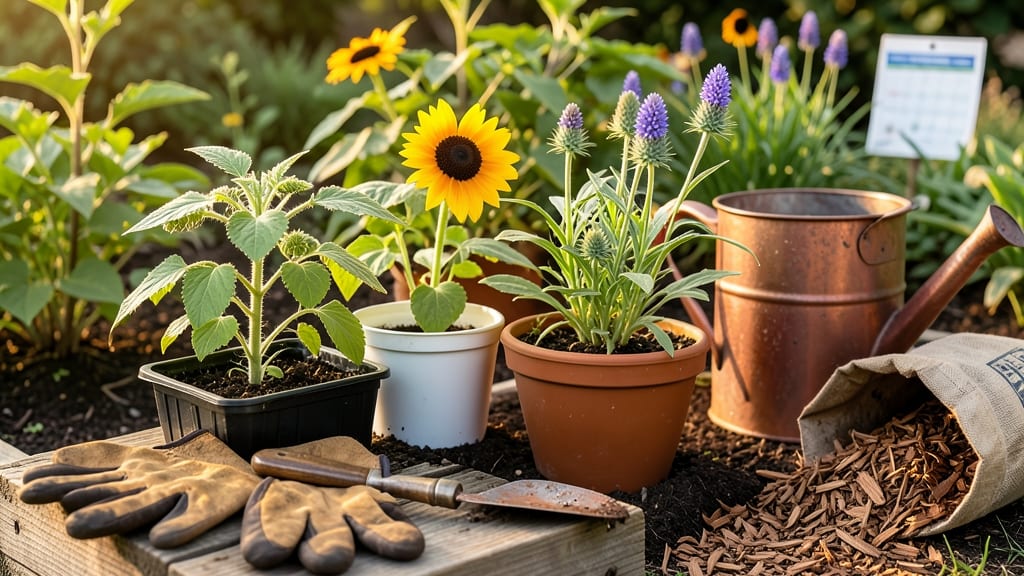
Planting a garden in Central Texas means timing your crops perfectly to avoid frost and scorching heat—mastering the ideal months can mean the difference between a thriving harvest and a wasted season.
Central Texas gardeners know timing is everything—plant too early and face frost, too late and suffer under scorching summer heat. But with the right heat-tolerant crops calendar, you can beat the extremes and grow a thriving garden year-round.
From late February to early April and again in September and October, the window for planting General Garden Plants (Central Texas) 🌱 is narrow but packed with opportunity. Cool-season crops like broccoli and lettuce thrive in spring, while tomatoes and peppers need the warmth of summer.
Below, I break down the exact months for planting, heat-resistant varieties that perform best, and how to stretch your growing season—so you can enjoy fresh produce from March through December without the stress of Texas extremes.
Central Texas planting calendar: exact months for heat-tolerant vegetables & herbs
Central Texas gardeners face a unique challenge: scorching summers and unpredictable frost dates that can wipe out tender plants. But with the right timing, you can grow a bountiful garden year-round.
The key is planting heat-tolerant crops during the frost-free window, which typically runs from March 15 to November 15 in most areas like Austin, Waco, and San Antonio.
Unlike northern climates, Central Texas allows for two major planting seasons: spring and fall. Spring planting kicks off after the last frost, while fall planting begins 4-6 weeks before the first frost to ensure a harvest before winter sets in.
Summer heat isn’t just a challenge—it’s an opportunity to grow high-temperature crops like okra, sweet potatoes, and peppers that thrive when others wilt.
🌱 Let’s break down the exact months for planting your favorite heat-tolerant vegetables and herbs, so you can maximize your garden’s potential without the guesswork.
| Month | Plant | Action | Notes |
|---|---|---|---|
| Late February - Early March | Okra, Sweet Potatoes, Peanuts | Direct sow | Start seeds indoors if frost is still a risk |
| Mid-March | Tomatoes, Peppers, Eggplant | Transplant seedlings | Wait until soil warms to 60°F+ |
| April | Cucumbers, Squash, Beans | Direct sow or transplant | Use shade cloth for young plants |
| May - June | Southern Peas, Okra, Basil | Direct sow | Peak heat tolerance for these crops |
| July - August | Sweet Corn, Malabar Spinach | Direct sow | Provide afternoon shade for best results |
| September | Tomatoes, Peppers, Kale | Transplant seedlings | Fall crop benefits from cooler temps |
| October | Broccoli, Cabbage, Carrots | Direct sow or transplant | Harvest before first frost (Nov 15) |
For tomatoes and peppers, the ideal transplanting window is mid-March to early April, once nighttime temperatures consistently stay above 50°F. These heat-lovers will reward you with abundant fruit if given enough sunlight and water during Central Texas’ brutal summers.
I always harden off my seedlings for 7-10 days before planting to help them adjust to outdoor conditions.
If you’re growing okra, consider it the queen of heat tolerance—it thrives in temperatures that would fry other plants. Plant okra seeds directly in the soil from late February through June, and you’ll enjoy a steady harvest all summer long.
Just be prepared for rapid growth—this plant can shoot up 3-4 feet in a month!
Herbs like basil and cilantro also have specific timing needs. Basil loves the heat of summer and should be planted after the last frost, ideally in May or June.
Cilantro, on the other hand, bolts in heat, so plant it in fall or early spring for the best results. I’ve found that shade cloth can extend cilantro’s growing season by a few weeks in late spring.
Don’t forget about fall planting, which is just as critical as spring. Starting seeds or transplanting cool-season crops like kale, broccoli, and carrots in September gives them time to mature before the first frost hits around November 15.
I always aim to get these in the ground by mid-September to ensure a harvest before winter.
One of my biggest tips for Central Texas gardeners is to mulch heavily in summer to retain moisture and water deeply but infrequently. This helps plants establish strong root systems before the heat peaks.
And if you’re pushing the limits, consider drip irrigation to keep plants consistently hydrated without wasting water.
By following this month-by-month guide, you’ll avoid the common pitfalls of frost damage and heat stress while maximizing your garden’s productivity. Whether you’re a beginner or seasoned gardener, Central Texas’ climate offers endless opportunities for a thriving, heat-resistant garden.
Best heat-tolerant crops for Central Texas gardens (ranked by success rate)
Central Texas summers can push 95°F+ temperatures, making heat tolerance a non-negotiable trait for successful gardening. I've grown over 20 varieties in my Austin garden, and these top 10 performers consistently deliver—even when other plants wilt. The key? Deep root systems and waxy leaf coatings that lock in moisture.
My #1 recommendation is 'Arkansas Traveler' tomatoes, which produce beefsteak-sized fruit even under 100°F heat. These aren't your average grocery-store tomatoes—these flavor-packed giants thrive when most varieties bolt.
For zero-maintenance greens, 'Malabar spinach' grows like a weed in my full-sun beds and tastes nothing like its temperate cousin.
🌡️ Heat Tolerance Rating:
Don't overlook 'Black Beauty' sweet potatoes—they're drought-proof and produce 20-pound tubers in my clay-heavy soil. For shade-tolerant greens, 'Swiss chard' (Bright Lights variety) handles afternoon heat better than lettuce.
My pro tip: Plant okra in June—it self-pollinates and grows 2 feet per week in Texas summers.
For herbs that thrive, rosemary and thyme become more flavorful in heat, while basil needs afternoon shade to prevent bolting. I've even grown cucumbers successfully using trellises to keep them off scorching soil. The secret? Mulch heavily with straw to maintain 60-70°F soil temps.
My #1 planting rule: Wait until May 15th for warm-season crops—this gives soil temps time to reach 70°F+. For fall planting, start September 1st to avoid early October heatwaves.
With these heat-proof varieties, you'll harvest year-round in Central Texas—no matter how merciless the summer sun gets. ☀️