
Planting
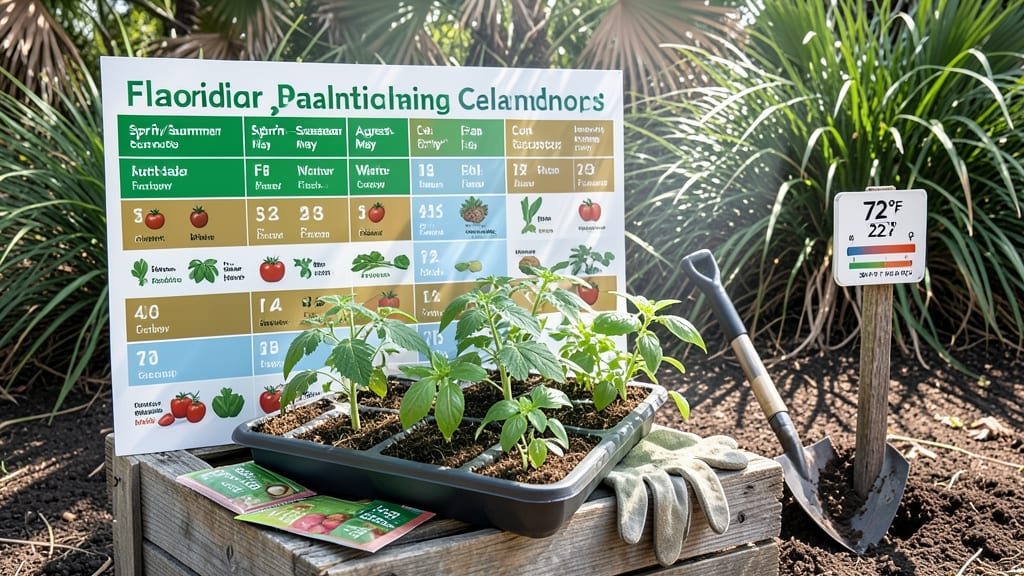
To plant a garden in Florida at the right time means avoiding the brutal summer heat while capitalizing on the state’s year-round growing potential—think spring and fall for most crops, with summer as a niche window for heat-lovers like okra and sweet potatoes.
Florida’s long growing season means no frost to worry about—but planting at the wrong time can still lead to wilting heat stress or poor yields. Mastering the perfect planting windows for Florida’s heat-tolerant crops is the secret to a thriving garden year-round.
Whether you’re in North Florida’s 8a-11 zones or the humid coastal regions, timing matters more than you think. Skip the mid-summer rush, and you’ll save yourself from battling bolting greens or sun-scorched seedlings.
Here’s the breakdown of when to start, what to plant, and how to stretch your growing season—so you’re harvesting year-round without the guesswork.
Florida planting zones by season: best months for heat-tolerant vegetables & herbs
Florida’s year-round growing season eliminates frost worries, but timing still matters.
The three key planting windows—spring, summer, and fall—each offer ideal conditions for different crops. Tropical varieties like okra and sweet potatoes thrive in summer’s heat, while subtropical plants such as tomatoes and peppers prefer cooler spring or fall starts. Understanding these windows prevents heat shock and maximizes yields.
Unlike northern states, Florida’s USDA Zones 8a-11 allow planting almost anytime, but temperature extremes and humidity shifts create natural rhythms. Spring (March–May) is perfect for warm-season crops, while fall (September–November) cools down for heat-sensitive varieties.
Summer (June–August) demands shade and extra water for sensitive plants. Let’s break down the best months for each season’s top crops.
🌱 Key Insight: Florida’s zero-frost risk means you can grow almost anything, but heat tolerance is the real challenge. Tropical plants (e.g., yams, eggplant) love summer’s heat, while subtropicals (e.g., peppers, basil) prefer milder temps. Plan accordingly to avoid wilting or bolting.
| Season | Best Months | Top Crops | Avoid Planting | Pro Tip |
|---|---|---|---|---|
| Spring | March–May | Tomatoes, Peppers, Basil, Cucumbers, Green Beans | Lettuce, Spinach (bolts in heat) | Start seeds indoors in March for earlier harvests. |
| Summer | June–August | Okra, Sweet Potatoes, Eggplant, Malabar Spinach, Peanuts | Carrots, Onions (struggle in heat) | Use shade cloth for seedlings to prevent heat shock. |
| Fall | September–November | Kale, Broccoli, Cabbage, Radishes, Turnips | Southern Peas (need warm soil) | Plant late September for cooler temps and fewer pests. |
Spring planting (March–May) is my favorite window for warm-season vegetables like tomatoes and peppers.
These crops need consistent warmth to thrive, and spring’s gentle heat provides the perfect transition. Direct-sow seeds in late March for early harvests, or start indoors in February for a head start. Basil and cucumbers also love this window—just ensure they get 6+ hours of sun daily.
Summer (June–August) is all about heat-loving tropicals. Okra and sweet potatoes flourish in Florida’s 90°F+ temps, while eggplant and peanuts thrive with minimal fuss. The trick? Shade cloth for young plants and deep watering (1–2 inches per week).
Avoid planting leafy greens like lettuce—they’ll bolt faster than a firecracker on the Fourth of July!
Fall (September–November) is my secret weapon for cool-season crops without frost risk. Kale, broccoli, and cabbage grow sweeter in Florida’s mild fall weather. Plant late September to avoid hurricane season disruptions, and use mulch to retain moisture. Radishes are a quick win—they’re ready in 30 days!
One common mistake is planting heat-sensitive crops too early. For example, carrots and onions wilt in summer heat, but they’ll thrive if planted in fall or early spring. Always check a crop’s day-length requirements—some short-day plants (like okra) need less than 12 hours of light to set fruit.
For container gardening, adjust timing slightly. Pots heat up faster, so delay summer planting by 2–3 weeks and move containers to shadier spots during peak afternoon sun. Self-watering pots are a game-changer for drought-prone areas like the Panhandle.
💧 Watering Tip: Always water deeply in the morning to prevent fungal diseases. Drip irrigation saves time and keeps roots cool. Mulch heavily (2–3 inches) to lock in moisture and regulate soil temps.
Top 10 heat-tolerant crops to plant in Florida’s hottest months (June–September)
Florida’s summer heat can be brutal, but with the right crops, you can turn your garden into a productive oasis. These 10 heat-tolerant plants thrive when temperatures soar, offering bountiful harvests even in July and August.
The key? Understanding their specific watering needs, planting depth, and sunlight requirements to avoid heat stress. Let’s dive into the best options for your summer garden.
From okra to sweet potatoes, these crops are Florida’s secret weapons against summer wilting. Many can handle 90°F+ temperatures with ease, as long as you provide consistent moisture and well-draining soil.
I’ve grown all of these in my own garden, and they’ve never disappointed—even during our hottest months. Let’s explore the top performers and how to plant them for maximum success.
-
1. Okra
Planting Depth: ½–1 inch | Spacing: 12–18 inches apart | Water: 1–2 inches/week -
2. Sweet Potatoes
Planting Depth: Slips 4–6 inches deep | Spacing: 12–18 inches apart | Water: Deep soak 2–3x/week -
3. Peppers (Bell & Hot)
Planting Depth: ½ inch deep | Spacing: 18–24 inches apart | Water: 1–1.5 inches/week -
4. Basil
Planting Depth: ¼ inch deep | Spacing: 6–12 inches apart | Water: Daily in extreme heat -
5. Eggplant
Planting Depth: 1 inch deep | Spacing: 18–24 inches apart | Water: 1–2 inches/week -
6. Cucumbers
Planting Depth: ½ inch deep | Spacing: 12–24 inches apart | Water: Daily in containers -
7. Southern Peas (Cowpeas)
Planting Depth: 1–2 inches deep | Spacing: 4–6 inches apart | Water: 1 inch/week -
8. Tomatoes (Heat-Tolerant Varieties)
Planting Depth: 1 inch deep | Spacing: 24–36 inches apart | Water: Deep watering 2–3x/week -
9. Malabar Spinach
Planting Depth: ½ inch deep | Spacing: 12–18 inches apart | Water: 1 inch/week -
10. Rosemary
Planting Depth: 1 inch deep | Spacing: 2–3 feet apart | Water: Drought-tolerant; water lightly
Pro Tip: Mulch heavily around plants to retain moisture and regulate soil temperature.
For okra and sweet potatoes, focus on consistent moisture during their early growth stages. These crops love heat but can bolt if stressed. I’ve found that drip irrigation works best, delivering water directly to the roots where it’s needed most.
Avoid overhead watering, which can lead to fungal issues in the humidity.
When planting peppers and eggplants, choose a morning planting time to give them a head start before the afternoon heat sets in.
These plants also benefit from shade cloth during the hottest part of the day, especially in Central Florida where temperatures can exceed 100°F. My bell peppers thrive when I provide this extra protection.
Herbs like basil and rosemary are surprisingly resilient in Florida’s summer. Basil, in particular, grows explosively when given enough water and partial afternoon shade. I harvest mine daily to encourage bushier growth, and it never fails to deliver fresh leaves for cooking.
For rosemary, less is more—overwatering is the biggest mistake gardeners make with this drought-loving herb.
Don’t forget to rotate crops yearly to prevent soil depletion and pest buildup. My summer garden always includes a mix of these heat-lovers, and I’ve never had a shortage of fresh produce—even in the dog days of summer.
With the right care, your garden can be just as productive in July as it is in April.