
Planting
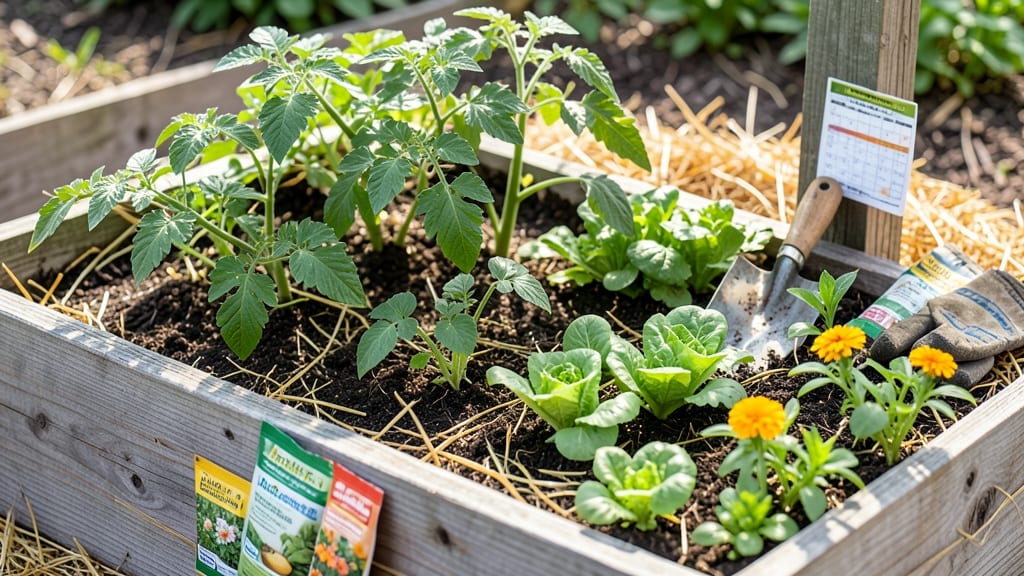
To plant a garden in Indiana at the perfect time means catching the 45-day window between the last frost (around April 15) and when summer heat locks in—because timing here isn’t just about months, it’s about microclimates.
Picture this: your neighbor’s tomatoes are thriving while yours wilt by mid-July, or your fall kale bolts before Thanksgiving. That’s not bad luck—it’s planting too early or too late for your specific corner of Indiana’s USDA zones 5b-6b.
The difference between a bountiful harvest and a wasted season often comes down to knowing exactly when to pop those seeds in the ground.
Indiana’s frost dates, soil temperatures, and urban heat islands create planting zones that shift even within a single county. Cool-season crops like spinach and peas need to go in by early March, while tomatoes and peppers wait until after May 15—but only if your soil is warm enough.
(Spoiler: A 50°F soil thermometer is your new best friend.)
This guide breaks down the week-by-week planting schedule for Indiana, from early spring greens to late-summer squash, plus how to adjust for your microclimate—whether you’re in Indianapolis’ urban heat or northern Indiana’s cooler pockets. Ready to turn your garden into a year-round success?
Indiana planting calendar by week: frost dates vs. microclimate zones
Indiana’s USDA zones 5b-6b create a unique gardening puzzle—where last frost dates can vary by 2-3 weeks between northern and southern regions. The average last frost date hovers around April 15, but urban areas like Indianapolis often warm 1-2 weeks earlier due to the heat island effect.
Rural areas in northern Indiana may face frost as late as May 1, so timing is everything.
To navigate this, I’ve broken down planting by 4-week blocks, aligning with Indiana’s cool-season crops (like spinach and peas) and warm-season staples (such as tomatoes and peppers).
Urban gardeners should adjust 1-2 weeks earlier than rural counterparts, while those in microclimate pockets (like valleys or near large water bodies) may need to wait 10-14 days longer.
| Week | Plant Type | Action | Notes |
|---|---|---|---|
| March 1-15 | Cool-Season Crops | Start spinach, peas, lettuce indoors or under row covers | Soil temp: 40-50°F. Use black plastic mulch to warm soil faster. |
| March 16-31 | Hardy Perennials | Plant asparagus, rhubarb, strawberries | Rural areas: wait until April 1. Urban areas can proceed. |
| April 1-15 | Early Vegetables | Direct sow radishes, carrots, kale outdoors | Test soil temp: 50°F+. Cover seedlings if frost predicted. |
| April 16-30 | Warm-Season Prep | Start tomatoes, peppers, eggplants indoors | Use grow lights for 14+ hours/day. Harden off before transplanting. |
| May 1-15 | Warm-Season Plants | Transplant tomatoes, peppers, cucumbers after last frost | Wait until soil is 60°F+. Use mulch to retain heat. |
| May 16-31 | Flowers & Herbs | Plant marigolds, basil, rosemary | Full sun required. Water deeply at soil level to avoid fungal issues. |
| August 1-15 | Fall Cool-Season | Sow broccoli, cabbage, beets for fall harvest | Use row covers to extend season. Harvest before first frost. |
| August 16-31 | Perennials & Bulbs | Plant tulip bulbs, daylilies, lavender | Bulbs need 6-8 weeks of cool weather to root. |
| September 1-15 | Late Fall Crops | Direct sow spinach, garlic, onions | Protect with straw mulch to insulate roots. |
For urban gardeners, the heat island effect can push planting dates 10-14 days earlier than rural areas. For example, tomatoes might go in by May 1 in Indianapolis but wait until May 15 in northern Indiana.
Always check your local Cooperative Extension office for hyper-local advice—some years, frost lingers well into May!
Another pro tip: use frost cloth to extend your season. I’ve had <
How to adjust planting times for Indiana’s urban vs. rural microclimates
If your neighbor’s tomatoes are thriving while yours wilt, blame microclimates—not your green thumb. Urban areas like Indianapolis can be 5-10°F warmer than rural spots just 20 miles away due to heat islands and pavement.
Meanwhile, northern Indiana’s cold pockets near lakes delay planting by weeks. Let’s decode these differences so you can time your plantings perfectly.
Start by observing your yard’s quirks: wind exposure, soil drainage, and sunlight patterns. Urban gardens often suffer from poor drainage and dry soil, while rural areas may have frost pockets or richer organic matter.
For example, container gardens in cities dry out faster, requiring daily watering in summer. Adjust your schedule by 1-3 weeks based on these factors.
Comparison Table: Urban vs. Rural Planting Adjustments for Indiana
For urban gardeners, prioritize heat-tolerant varieties like cherry tomatoes or okra, which thrive in hot pavement heat. Rural gardeners should focus on early-maturing crops (e.g., bush beans, radishes) to beat late frosts.
Test your soil’s drainage by digging a hole—if water pools after 6 hours, amend with compost or sand.
Pro tip: Use frost cloth in rural areas to extend the season by 2-3 weeks. In cities, whitewashed containers reflect heat, keeping roots cooler. Monitor your local weather station (like Purdue’s AgClimate) for real-time adjustments—your microclimate might not match the average frost date!
Remember, Indiana’s USDA Zone 5b-6b is just a starting point. Your yard’s unique conditions dictate the real timeline. Start with these adjustments, then refine based on what works best for your specific spot. Happy planting!