
Planting
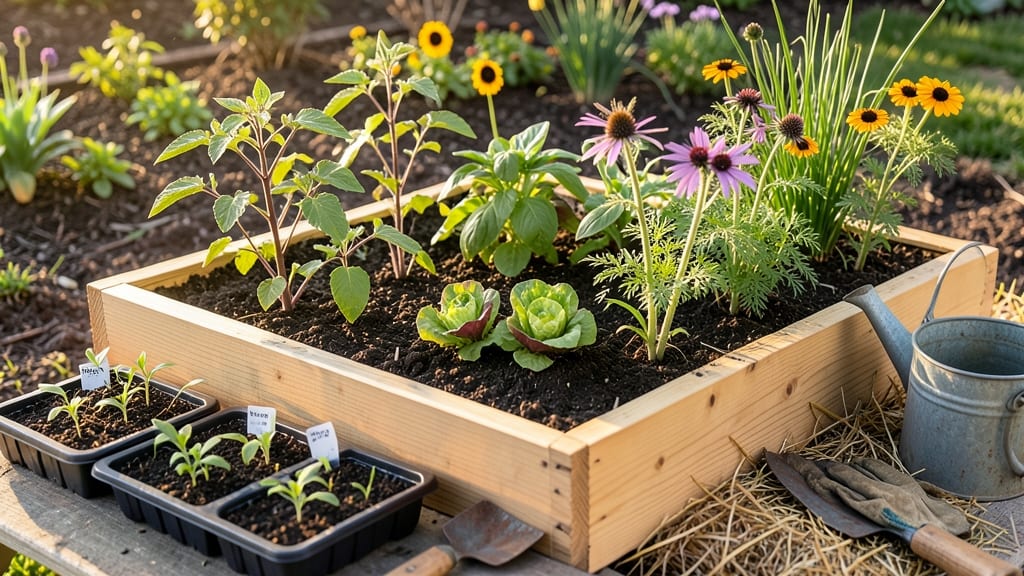
Planting your garden in Missouri at the right time means the difference between a thriving harvest and a sad pile of wilted seedlings—so timing it perfectly is everything.
Missouri’s unpredictable climate—from icy winters to scorching summers—can make or break your garden’s success. Planting at the wrong time means wilted seedlings or stunted growth, but timing it right unlocks a bountiful harvest.
Here’s your zone-by-zone guide to planting in Missouri, complete with heat tolerance insights to keep your garden thriving.
Whether you’re in St. Louis’s 6a zone or Kansas City’s 5b, knowing when to start seeds indoors, transplant seedlings, and sow directly in the soil is the key.
I’ll break down the best months for cool-season crops like lettuce and spinach versus heat-loving plants like tomatoes and peppers—plus how to adjust for Missouri’s humidity and pests like squash bugs.
By the end, you’ll have a clear timeline, soil prep tips, and even a heat tolerance chart to avoid transplant shock. Let’s get those 🌱 growing!
Missouri planting zones and last frost date heat tolerance guide
Missouri spans USDA hardiness zones 5a through 7a, creating distinct planting windows across the state. Northern areas like St. Joseph (5a) face later last frosts, while southern regions like Poplar Bluff (7a) enjoy earlier springs.
Understanding your zone’s average last frost date and heat tolerance is key to avoiding transplant shock and maximizing yields.
For example, zone 5a gardeners should wait until April 20-May 5 for warm-season crops, while zone 7a gardeners can plant tomatoes as early as March 15. The difference? 30-45 frost-free days separating these regions.
Let’s break down your planting timeline by zone and heat tolerance for tomatoes, peppers, lettuce, and basil—the most heat-sensitive crops.
📌 Pro Tip: Use a soil thermometer to confirm 60°F+ soil temps before planting warm-season crops. Cool soil slows germination and invites rot. Missouri’s humidity and clay-heavy soils also demand extra attention—mulch heavily to retain moisture and prevent shock.
| USDA Zone | Avg. Last Frost | Cool-Season Plant Window | Warm-Season Plant Window | Heat Tolerance Notes |
|---|---|---|---|---|
| 5a (NW Missouri) | May 5 | March 15-April 15 | May 10-June 1 | Tomatoes: Wait until June 1 for heat tolerance; lettuce bolts by June 15. |
| 5b (St. Louis) | April 20 | March 1-April 15 | April 25-May 15 | Peppers thrive after May 10; basil needs 70°F+ soil. |
| 6a (Central MO) | April 10 | February 28-April 1 | April 15-May 10 | Okra and sweet potatoes can start April 1; cucumbers need 75°F+. |
| 7a (Southeast MO) | March 15 | February 15-March 15 | March 15-April 10 | Tomatoes can start March 1 with row covers; heat waves after July 15 stress plants. |
Missouri’s heat tolerance challenges stem from sudden temperature swings. For instance, tomatoes planted in zone 5a before June 1 often suffer from blossom drop when night temps dip below 55°F.
Meanwhile, peppers in zone 7a may wilt by July 20 if not mulched—our state’s clay soil retains heat, baking roots.
To combat this, I recommend staggered planting for heat-sensitive crops. For example, sow lettuce every 2 weeks from March to June to ensure a continuous harvest before bolting. Similarly, basil thrives in Missouri’s heat but bolts by August, so succession plant every 3 weeks until July 15.
For warm-season crops, focus on soil prep 2-3 weeks before planting. Work in compost and aged manure to improve drainage, and use black plastic mulch to raise soil temps 5-10°F faster than bare earth. This is especially critical in zone 5a, where slow soil warming delays planting.
🌡️ Heat Tolerance Quick Guide: - Tomatoes: Ideal soil temp 70-85°F; avoid planting until after last frost + 2 weeks. - Peppers: Need 80°F+ soil; use row covers for early starts. - Lettuce: Bolts at 75°F+; opt for heat-tolerant varieties like Romaine. - Basil: Loves 90°F+ but wilts in humidity—prune heavily to improve airflow.
Missouri’s first frost typically arrives October 15-30, but microclimates near rivers or urban areas can delay it
Best months to plant by crop type in Missouri’s climate
Missouri’s diverse climate demands smart planting timing to avoid heat stress or frost damage.
Northern regions like St. Louis (Zone 6a) have later last-frost dates than southern areas like Springfield (Zone 7a). Cool-season crops like broccoli thrive in spring and fall, while heat-loving plants such as okra need summer’s warmth to flourish. Let’s break it down by crop type for maximum success.
For vegetables, timing is everything. Leafy greens (spinach, lettuce) should go in early spring (March-April) or late summer (August-September) to avoid bolting. Tomatoes and peppers, however, crave warmth—plant them after the last frost (mid-April to early May) when soil temps hit 60°F. Root crops like carrots adapt well to cooler weather, making them ideal for early spring or fall planting.
The key to extending your growing season? Row covers and cold frames. These tools let you plant cool-season crops 2-4 weeks earlier in spring or keep them producing until first frost in fall.
For example, I’ve used row covers to grow spinach into December and kale until January in my St. Louis garden.
- 🌿 Cool-Season Vegetables (Broccoli, Spinach, Lettuce, Peas)
When: March-April (spring) & August-September (fall)
Tip: Use row covers for early/late planting - 🍅 Warm-Season Vegetables (Tomatoes, Peppers, Okra, Sweet Potatoes)
When: May-June (after last frost)
Tip: Start seeds indoors in April for earlier harvests - 🌼 Perennial Flowers (Daylilies, Coneflowers, Black-Eyed Susans)
When: Early spring (March-April) or fall (September-October)
Tip: Divide clumps in early spring for better blooms - 🌿 Herbs (Basil, Cilantro, Dill)
When: April (spring) & August (fall)
Tip: Basil bolts in heat—plant in partial shade in summer - 🌻 Annual Flowers (Marigolds, Zinnias, Sunflowers)
When: May-June (after frost)
Tip: Direct-sow seeds for best germination - 🥔 Heat-Loving Tubers (Sweet Potatoes, Yam)
When: June-July (soil must be 70°F+)
Tip: Use black plastic mulch to warm soil faster - 🍓 Fruiting Plants (Strawberries, Blueberries)
When: Early spring (March) or fall (September)
Tip: Mulch heavily to protect roots in winter
Missouri’s humidity and summer heat can be brutal for seedlings. Transplant shock is common if you move plants too early. Wait until nighttime temps stay above 50°F for warm-season crops. For example, I’ve seen tomato seedlings wilt dramatically when planted in May but thrive when moved in June.
Don’t overlook fall planting—it’s often more productive than summer! Broccoli and carrots planted in August-September avoid summer pests and produce sweeter harvests. I’ve had my best spinach yields from September plantings, harvested until hard frost. Cold frames can push this even further, letting you grow greens until December.
Pro tip: Check your local frost dates (USDA provides zone maps) and adjust by 1-2 weeks based on your microclimate. Urban areas often run 5°F warmer than rural spots, delaying frost.
For example, Kansas City’s last frost is typically April 15, but St. Louis averages April 20. Plant accordingly to avoid losing your crop to late frosts.