
Planting
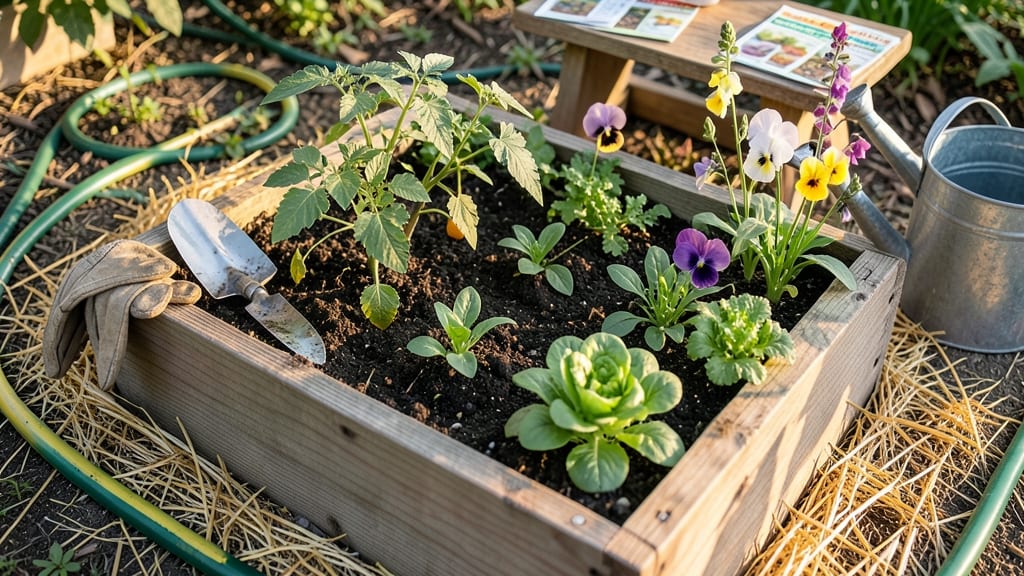
Planting gardens in Tennessee requires timing that matches your microclimate—whether you're in the cooler Appalachian foothills or the warmer Memphis Delta.
Tennessee’s diverse microclimates—from the humid Appalachian foothills to the hotter Memphis Delta—mean your planting schedule can vary by hundreds of days if you’re not careful. Get the wrong timing, and your tomatoes, peppers, or greens could freeze before they thrive.
For most of the state, the ideal window to plant warm-season crops like tomatoes and peppers opens two weeks after your last spring frost, typically mid-March in the mountains and early February near the Gulf Coast. But don’t wait too long—late plantings risk stunted growth before harvest.
In this guide, you’ll discover exact planting deadlines for your region, soil prep tips to jumpstart growth, and how to adjust for mountain valleys or urban heat islands. Ready to grow a thriving garden? Let’s get started.
Tennessee planting zones explained: when to start seeds indoors vs. direct sowing
Tennessee spans USDA Zones 5a to 8a, meaning your last-frost dates can vary by 6 weeks or more—from late April in the mountains to mid-March in the Delta region.
These differences make timing critical for zero-frost-risk crops like tomatoes, peppers, and squash. Get it wrong, and your seedlings could bolt or freeze before producing.
Most gardeners in Tennessee start seeds indoors 6-8 weeks before transplanting, but this window shifts based on your microclimate. Urban areas like Nashville (Zone 7a) often experience earlier soil warming than rural Appalachian valleys (Zone 6b), where cold air pools.
Even a 10°F difference can delay planting by 2-3 weeks.
Here’s the key rule: Transplant outdoors only after your region’s average last frost—but add 2-3 weeks of buffer for heat-loving crops. For example, in Zone 7a (Nashville), tomatoes go in mid-April, while in Zone 5b (Bristol), wait until late May.
The comparison table below breaks down exact timing by zone and crop.
For direct-sown crops like beans, cucumbers, and peas, timing is simpler: plant 2-3 weeks after your last frost when soil reaches 60°F. In Zone 5a, this might be late May, while Zone 7b gardeners can start by mid-April.
Always check soil temperature with a thermometer—cool soil slows germination.
Microclimates complicate things further. Urban heat islands (like downtown Nashville) can be 5-10°F warmer than suburbs, allowing earlier planting. Conversely, mountain valleys (e.g., Sevier County) hold cold air longer. If you’re in a valley or low spot, add 1-2 weeks to your transplant dates to avoid late frosts.
Pro tip: Use row covers or cold frames to extend your window by 2-4 weeks in cooler zones. For example, in Zone 6a, you can transplant peppers in early April under protection. Remove covers when night temps stay above 50°F consistently.
Never rush transplanting. Hardened-off seedlings with 4-6 true leaves handle stress better. If your tomato seedlings are leggy, bury them deeper at transplant—up to the first set of leaves—to encourage root growth. This trick works especially well in Tennessee’s short growing season zones.
For fall crops like kale and carrots, aim to sow 90-120 days before your first frost (typically mid-October in Zone 7a). Use succession planting every 2 weeks to stagger harvests. In Zone 5a, start late July for a September-October harvest before hard frosts.
Track your local frost dates using the National Weather Service or Almanac’s Frost Calculator. Over 3-5 years, you’ll spot patterns—like how Chattanooga’s last frost often hits 2 weeks earlier than Knoxville’s. Adjust your schedule accordingly to maximize your growing season.
Best crops for Tennessee’s short vs. long growing seasons: month-by-month planting calendar
Tennessee’s diverse climate zones create dramatic differences in growing seasons. In Knoxville (Zone 6b), the last frost typically arrives around April 15, while Memphis (Zone 8a) can safely plant tomatoes as early as March 1.
These timing differences mean your spring greens in Nashville might bolt before harvest, while summer squash in Chattanooga could struggle with late-season heat. Let’s break down the month-by-month strategy for both extremes.
For short-season areas like the Appalachian foothills, focus on fast-maturing crops like radishes (25 days) and bush beans (50 days). In longer-season zones near the Mississippi River, you can grow heat-loving crops such as okra (60 days) and sweet potatoes (90 days) well into October.
The key is matching your crop selection to your frost-free window—typically 120–200 days depending on location.
Here’s your month-by-month guide, with transplant windows adjusted for Tennessee’s two main climate extremes:
In North Tennessee’s shorter seasons, prioritize early-maturing varieties of tomatoes (45–50 days) and peppers (60 days) to avoid frost. Meanwhile, South Tennessee gardeners can stretch seasons by planting heat-tolerant crops like black-eyed peas and collard greens as late as September 15.
Always check your local frost dates—they can shift yearly due to microclimates like urban heat islands or valley frost pockets.
For fall planting, focus on cool-season crops like spinach and kale, which thrive in Tennessee’s mild autumns. Use row covers to extend harvests into November in most regions. Pro tip: Succession plant fast growers like radishes every 2 weeks to ensure continuous harvests through summer’s end.
Remember, soil temperature matters as much as air temperature. Wait until soil reaches 60°F+ for warm-season crops like squash and <