
Planting
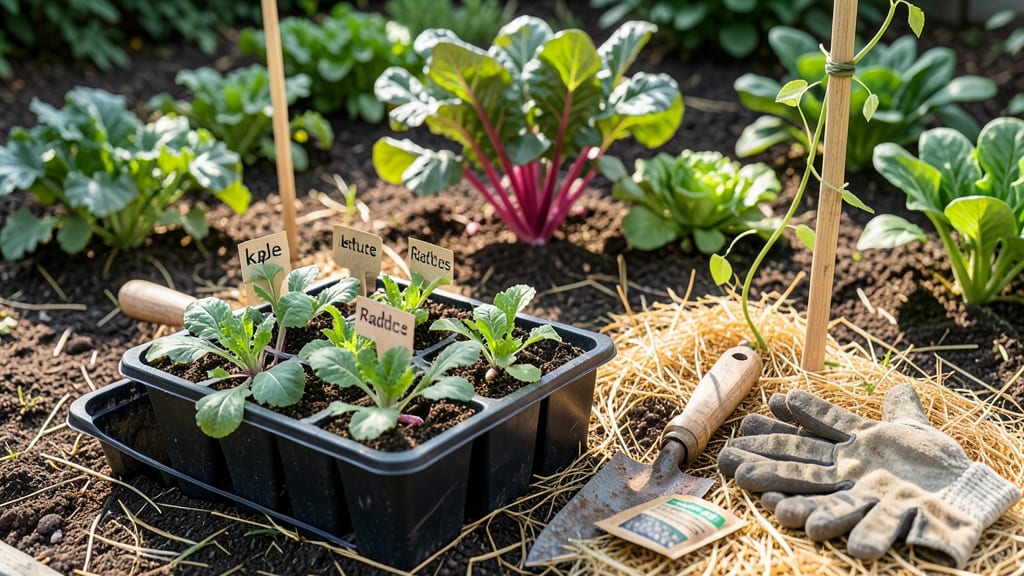
Planting a garden in Upstate NY requires timing that accounts for microclimates, frost dates, and zone-specific rules—get it wrong, and your seedlings could freeze before they sprout.
Upstate New York’s diverse microclimates—from the Adirondacks to the Finger Lakes—mean your garden’s planting schedule can vary by weeks, not just days. Whether you’re in Rochester or Albany, the last frost date isn’t set in stone, and high-altitude areas like Lake Placid need extra caution.
This guide breaks down the exact planting windows for vegetables, flowers, and perennials in Zones 4a-6a, including when to start seeds indoors and how to adjust for urban heat islands or late-season surprises.
Discover how to stretch your growing season without greenhouses, which crops thrive in your specific zone, and the one trick that saves even the most impatient gardeners from frost damage.
Upstate NY planting Zones & their frost-free date ranges (2024 guide)
Upstate New York spans USDA Hardiness Zones 4a through 6a, but don't let the zone numbers fool you—the real magic happens in the microclimates. A garden in Lake Placid (Zone 4a) might face frost weeks after Rochester (Zone 6a), even though they're just 200 miles apart.
Understanding these variations helps you time your plantings perfectly and avoid those heartbreaking early frost surprises.
For this guide, I've broken down five key Upstate NY regions—Adirondacks, Western NY, Mohawk Valley, Finger Lakes, and Capital Region—with their average last frost dates and historical exceptions.
Urban areas like Albany and Syracuse often experience urban heat islands, which can delay frost by 7-10 days compared to rural areas. Let's dive into the specifics so you can plan your garden like a pro.
Pro Tip: Always check the 5-year average for your exact location using the Cornell Garden-Based Education Program tools, as microclimates can shift yearly. For example, 2023's late spring pushed many Upstate areas into Zone 5b temporarily, even in traditionally colder zones.
Notice how Western NY (Zone 6a) has the earliest last frost dates in Upstate, while the Adirondacks (Zone 4a) lag by nearly a month? This means if you're growing tomatoes or peppers in Buffalo, you can plant them 2-3 weeks earlier than a gardener in Lake Placid.
Always adjust for elevation too—every 1,000 feet gain pushes frost dates back by about 5 days.
For cool-season crops like kale, spinach, and peas, you can plant them 4-6 weeks before your average last frost date.
In the Adirondacks, that means starting by April 15, while in Rochester, you can wait until April 20. Warm-season crops like beans and cucumbers need to wait until 2 weeks after your last frost date for safety.
Urban gardeners in cities like Albany or Syracuse often enjoy 5-7 extra frost-free days thanks to concrete and buildings trapping heat. However
Microclimate-specific planting calendar for vegetables, flowers & herbs
Upstate New York’s diverse microclimates create unique planting windows. In the Adirondacks (Zone 4a), cool nights delay warm-season crops by 2-3 weeks compared to Rochester (Zone 6a).
Even within 50 miles, frost dates can shift by 10-14 days. Understanding these variations helps you avoid frost damage or wasted seed packets.
For cool-season crops like spinach and peas, high-altitude areas (e.g., Lake Placid) can plant 2 weeks earlier than lower elevations. Meanwhile, tomatoes and peppers in Western NY (Zone 6a) might need row covers until mid-May, while Finger Lakes growers can direct-sow by late April.
Perennials like asparagus and rhubarb have their own timing quirks too.
Comparison Table: Upstate NY Planting Windows by Zone
In high-altitude areas like Lake Placid, spinach and peas can handle snow melt planting by early April, while tomatoes often need to wait until June 1 for reliable warmth.
For flowers like marigolds, Zone 5b areas can direct-sow by May 15, but Adirondack gardeners should wait until June 1 to avoid late frosts.
Perennials like asparagus and rhubarb have specific crown-planting windows that vary by zone.
In Zone 6a, asparagus crowns go in by April 15, while Zone 4a gardeners should wait until May 1. Rhubarb crowns can handle earlier planting, but avoid disturbing roots after July 1 to prevent stress.
Pro tip: Use frost dates as a guide, but monitor soil temperatures—warm-season crops need 60°F+ soil for 2 weeks before planting. A soil thermometer ($10 at garden centers) prevents costly mistakes when transplanting tomatoes or peppers too early.
Adjust for urban heat islands too—city gardens (like Syracuse) may warm up 1-2 weeks earlier than rural areas. When in doubt, start seeds indoors for warm-season crops and use row covers to extend early planting windows.