
Planting
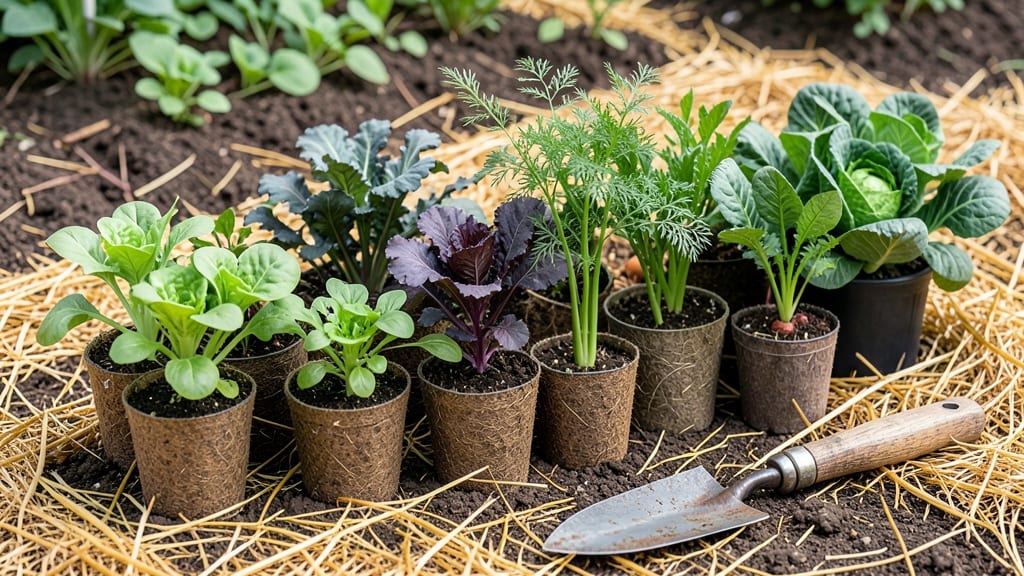
Planting your garden in Wisconsin at the right time means the difference between a thriving harvest and a frost-killed disappointment.
Wisconsin’s unpredictable frosts can turn a promising garden into a frozen disappointment—unless you plant at the perfect time. Timing your garden correctly means the difference between bountiful harvests and wasted seeds.
Whether you’re sowing cool-season crops like lettuce in early spring or warm-season tomatoes after the last frost, knowing when to plant is everything. Wisconsin’s USDA zones 4-5 demand precision, and missing the window by even a few weeks can leave your plants struggling.
In this guide, you’ll discover zone-specific planting windows, month-by-month schedules, and pro tips to stretch your growing season. Let’s get your garden off to the best start!
Wisconsin planting zones: when to start seeds indoors vs outdoors
Wisconsin spans USDA Hardiness Zones 3b through 5b, with most gardeners falling into Zones 4 and 5. These zones dictate when you can safely plant outdoors, but they don't tell the full story—frost dates vary dramatically across the state.
Northern Wisconsin (Zone 4) often sees last spring frosts between May 10-20, while southern Wisconsin (Zone 5) typically warms up 2-3 weeks earlier. Understanding these differences helps you avoid planting too early and risking frost damage.
For cool-season crops like lettuce, spinach, and peas, you can start seeds outdoors 4-6 weeks before your last frost date. These hardy plants tolerate light frosts and often thrive when planted early.
In contrast, warm-season crops like tomatoes and peppers need to wait until 2-3 weeks after your last frost date, when soil temperatures consistently reach 60°F+. Starting these indoors 6-8 weeks before transplanting gives them a head start.
Here’s how to calculate your specific frost dates: Use the National Oceanic and Atmospheric Administration (NOAA) frost probability maps or check local Cooperative Extension Service data. For example, Madison (Zone 5a) averages a last frost around May 15, while Green Bay (Zone 4b) typically waits until May 25.
These dates shift yearly, so always verify before planting.
Your USDA zone also affects when to start seeds indoors. In Zone 4, begin warm-season seeds indoors by late February to early March, while Zone 5 gardeners can wait until mid-March.
Cool-season crops like kale and broccoli can start indoors 4-6 weeks before your last frost, but many gardeners prefer direct sowing for better hardiness.
If you’re growing heat-loving crops like okra or sweet potatoes, wait until mid-to-late May in Zone 4 or early May in Zone 5. These plants need consistent warmth and won’t tolerate frost.
For fast-growing crops like radishes or arugula, you can even make succession plantings every 2 weeks until mid-July to enjoy fall harvests before the first frost.
Pro tip: Use row covers or cold frames to extend your planting window for cool-season crops. These tools can push your last planting date 2-3 weeks later in the fall or 1-2 weeks earlier in the spring.
Just remove them during the day when temperatures rise above 70°F to prevent overheating.
For perennials and bulbs, timing depends on the plant. Spring-blooming bulbs like tulips should be planted in fall (October–November), while summer-blooming perennials like coneflowers can go in early spring (April–May).
Always check the plant’s specific needs—some, like peony, prefer cool soil and should be planted in fall.
Remember, soil temperature matters more than air temperature. Use a soil thermometer to confirm 50°F+ for cool-season crops and 60°F+ for warm-season crops
Best month-by-month planting schedule for Wisconsin gardens
Wisconsin’s short growing season demands careful timing, but with the right schedule, you can maximize your harvest. Southern Wisconsin (Zone 5) enjoys slightly longer seasons than northern areas (Zone 4), but both regions share key planting windows.
Start by checking your last frost date—typically May 15 in southern Wisconsin and June 1 in the north.
For cool-season crops like spinach and peas, begin sowing indoors in March or directly in April once soil warms to 40°F. Warm-season favorites like tomatoes and peppers need to wait until after the last frost, ideally after May 15 in southern Wisconsin or June 1 in the north.
🌱 Wisconsin Planting Schedule by Month
- March: Start cool-season seeds indoors (lettuce, broccoli). Prep beds for spring planting.
- April: Direct-sow hardy greens (spinach, peas) and root vegetables (carrots, beets).
- May: Plant warm-season crops after last frost (tomatoes, peppers, beans).
- June: Sow late-season crops (squash, cucumbers) and herbs (basil, dill).
- July: Succession plant fast-growing greens (radishes, lettuce) for fall harvest.
- August: Begin fall planting of cool-season crops (kale, Brussels sprouts).
- September: Plant garlic and onion sets for next year’s harvest.
Northern Wisconsin gardeners should adjust timelines by 2-3 weeks later, especially for warm-season crops. For example, tomatoes planted in late May in southern Wisconsin may need to wait until early June in the north. Always monitor soil temperature—most seeds need soil at least 50°F to germinate.
Don’t forget fall planting! August and September are ideal for cool-hardy crops like kale and cabbage, which thrive in Wisconsin’s crisp autumn air. These plants often produce sweeter flavors after a light frost, making them perfect for late-season harvests.
Use row covers or cold frames to extend your planting windows in both spring and fall. These tools can push your first planting date earlier by 2-4 weeks and your last harvest date later by 3-6 weeks, giving you more growing time in Wisconsin’s short season.
Pro tip: Keep a gardening journal to track your local frost dates and adjust future planting schedules. Over time, you’ll refine your timing to match your specific microclimate—whether you’re in Milwaukee, Madison, or the Northwoods. Happy planting! 🌱