
Planting
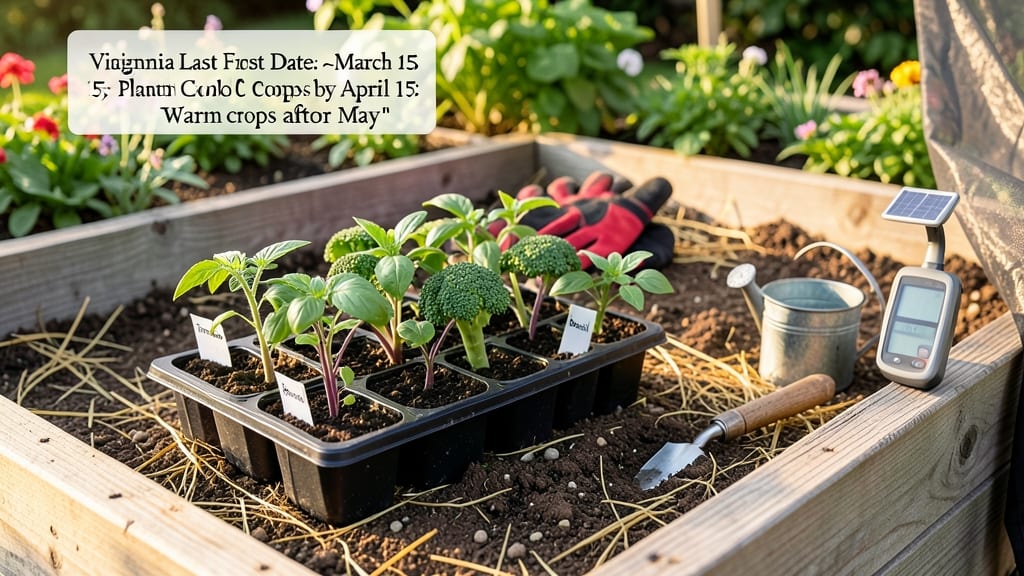
Planting your garden in Virginia at the right time means the difference between a bountiful harvest and lost seeds 🌱 — timing your cool-season crops for after the last frost (mid-April in most zones) and warm-season plants for when soil warms to 60°F.
Miss that window, and you’re left with wilted seedlings or bolting greens. In Zone 7a/7b, where frost can linger until April 30 in the mountains or arrive as early as October 1 in the Piedmont, getting the dates right is everything.
This guide breaks down Virginia’s frost-free deadlines by crop type, from leafy greens to tomatoes, and shows you how to adjust for your specific microclimate—whether you’re in the humid Coastal Plain or the cooler Appalachian foothills.
You’ll learn the exact weeks to start seeds indoors, when to transplant outdoors, and how to stretch your growing season with row covers or cold-hardy varieties—so you never waste another seed packet.
Virginia Zone 7a/7b planting calendar: frost-free deadlines by crop type
Getting your Virginia garden timing right means knowing the last frost dates for your specific zone. In Zone 7a, the average last frost occurs around April 15, while Zone 7b typically sees its last frost by April 1.
These dates shift slightly based on elevation and microclimates, so always check local forecasts before planting.
For cool-season crops like lettuce and peas, start seeds indoors 6-8 weeks before your last frost date. In Zone 7a, that means mid-February, while Zone 7b gardeners can begin in early February. These crops thrive in cooler weather and can even handle light frosts once established.
Warm-season crops like tomatoes and peppers need to wait until after the last frost and soil temperatures reach 60°F+. In Zone 7a, this usually happens by May 1, while Zone 7b can plant as early as April 15.
Use row covers to extend the season if needed.
Here’s a quick reference for Virginia’s frost-free deadlines by crop type, tailored to Zone 7a/7b:
| Crop Type | Zone 7a Deadline | Zone 7b Deadline | Notes |
|---|---|---|---|
| Cool-Season (Spring) | March 15 - April 15 | March 1 - April 1 | Peas, lettuce, spinach, broccoli |
| Warm-Season (Summer) | May 1 - May 15 | April 15 - April 30 | Tomatoes, peppers, cucumbers, beans |
| Cool-Season (Fall) | August 15 - September 15 | August 1 - August 15 | Kale, carrots, radishes, beets |
| Perennials & Flowers | March 1 - April 15 | February 15 - March 30 | Daylilies, coneflowers, lavender |
For fall planting, aim to sow seeds 4-6 weeks before your first frost, which typically falls between October 15 (Zone 7a) and November 1 (Zone 7b). This timing ensures crops like kale and carrots mature before winter sets in.
Herbs like basil and cilantro have unique needs. Basil thrives in Zone 7b’s warmer climate and can be planted as early as April 15, while cilantro prefers cooler temps and should go in by May 1 for Zone 7a.
Always monitor soil temperatures with a soil thermometer for accuracy.
Adjust your schedule if you’re in urban areas or higher elevations, where frost dates may shift by 1-2 weeks. For example, Roanoke (Zone 7a) often has later frosts than Richmond (Zone 7b). Use frost blankets or greenhouses to protect tender plants if needed.
Succession planting is key for continuous harvests. After harvesting early crops like radishes, replant with bush beans or summer squash to maximize your garden’s potential. This strategy works year-round in Virginia’s mild climate.
Finally, keep a gardening journal to track your local frost dates and adjust future planting schedules. Over time, you’ll fine-tune your timing to match your microclimate perfectly.
How to adjust planting times for Virginia’s microclimates (7a vs. 7b)
Virginia’s Zone 7a and Zone 7b may share the same hardiness rating, but their microclimates can feel like entirely different worlds. A 100-foot elevation change or a paved urban lot can shift your last frost date by weeks—meaning your neighbor’s perfect tomato harvest might turn to mush in your garden.
Understanding these variations lets you fine-tune planting for heat-loving okra or cool-craving lettuce without guessing.
Urban heat islands in Richmond or Norfolk can push soil temperatures 5-10°F warmer than rural areas, while mountain foothills in Roanoke’s 7a pockets may stay frost-prone until May 15 when flatter regions thaw by April 15. The key? Localized adjustments based on your specific conditions—not just the zone average.
Adjusting Planting Times for Virginia Microclimates
Plant Earlier in 7b Heat Zones
- Pro: Warm soil speeds germination
- Pro: Longer growing season for heat lovers
- Con: Risk of bolting in cool crops
- Con: Pests thrive in warmer microclimates
Delay in 7a Frost Zones
- Pro: Avoids frost damage
- Pro: Better for cool-season crops
- Con: Shorter season for warm crops
- Con: Limited fall planting window
Solution: Use soil thermometers (60°F+ for warm crops, 50°F+ for cool crops) and heat-tolerant varieties in 7b zones.
A soil thermometer is your secret weapon—stick it 2 inches deep in morning sunlight to check if your tomato seeds (need 60°F+ soil) or pepper starts (need 65°F+) are ready.
In Zone 7b’s hotter pockets, like urban Arlington or Petersburg, you might plant cucumbers by April 1 when rural 7a areas wait until April 15. Always err on the side of caution with tender annuals—they won’t forgive a late frost.
For heat-tolerant varieties, swap standard tomatoes for ‘Heatmaster’ or ‘Solar Fire’ in 7b zones, or choose ‘Black Krim’ for cooler 7a spots. Okra and sweet potatoes thrive in 7b’s extra heat, while kale and broccoli prefer 7a’s cooler shoulders.
Even within a single county, a north-facing slope might mimic 7a conditions while a south-facing yard feels like 7b.
Watch for microclimate clues: Do dandelions bloom early in your yard? That’s a sign your soil warms faster. Does your neighbor’s garden get frost when yours doesn’t?
You’re likely in a warmer microclimate. Adjust your planting calendar by 2-4 weeks based on these observations—your zucchini will thank you with bigger yields.
Pro tip: Succession plant heat-loving crops like beans or peppers every 2 weeks in 7b zones to stretch your harvest. In 7a, focus on fall crops like spinach or carrots planted by August 15 for a winter harvest.
With these tweaks, you’ll turn Virginia’s microclimate quirks into your garden’s superpower. 🌱