
Planting
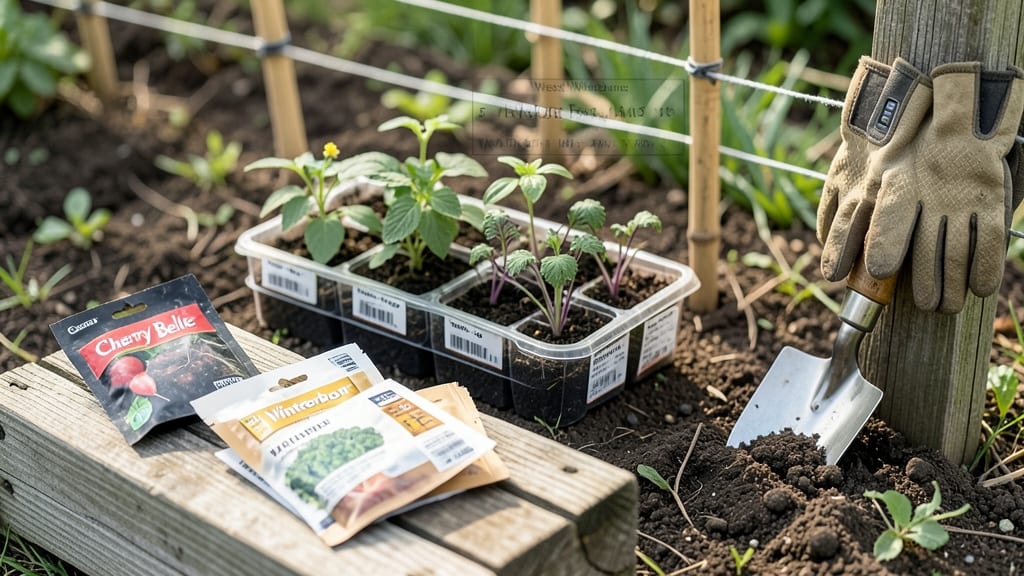
Planting your garden in WV at the right time means the difference between a bountiful harvest and a sad, frost-nipped failure.
West Virginia’s diverse climate means your garden’s success hinges on planting at the perfect time—miss the window, and frost or heat can ruin your harvest before it even starts.
From the high elevations of the Alleghenies to the river valleys of the state’s southern counties, frost dates shift by weeks, and soil warms at different rates.
I’ll walk you through the exact frost-free timelines by county, how to adjust for WV’s microclimates, and the 3 biggest mistakes that send even experienced gardeners scrambling for row covers.
WV frost-free dates by county: the critical planting timeline
West Virginia’s last spring frost dates vary dramatically by county—from March 20 in the southern panhandle to May 15 in the high-altitude mountains. These dates determine whether your tomatoes, peppers, or annual flowers will thrive or wither.
Using data from the WVU Extension Service, I’ve mapped out the average frost-free windows so you can plant with confidence.
For cool-season crops like lettuce or spinach, you can start seeds indoors 6-8 weeks before your county’s last frost. But for warm-season favorites like basil or cucumbers, wait until after the average last frost—planting too early risks frost damage or stunted growth.
Below, I’ve organized the data by region to help you plan.
Pro Tip: Use row covers or a greenhouse to extend your season in counties with late frosts (like Pocahontas or Randolph). Even a 10-15°F difference can mean the difference between a bountiful harvest and a failed crop.
In southern counties like Berkeley or Jefferson, you can plant warm-season crops as early as April 1, giving you a longer harvest window for squash or beans. Meanwhile, in northern or high-elevation counties like Pocahontas, wait until mid-May to avoid late-spring frosts that can kill tender seedlings.
For herbs like basil, which hate cold, don’t even think about planting outdoors until after your county’s last frost date.
Instead, start seeds indoors 4-6 weeks before and transplant after the frost risk passes. Perennials like asparagus or rhubarb are exceptions—they can handle early planting, even a light frost.
Fall planting follows the reverse logic: cool-season crops like kale or carrots should go in 4-6 weeks before your county’s first fall frost. In Berkeley County, that means September 15, while in Pocahontas, you’ve got until early September. Succession planting every 2 weeks
How to adjust planting times for WV’s microclimates and soil types
West Virginia’s dramatic elevation shifts and varied soil types create unique gardening challenges. In Pocahontas County, high-altitude gardens face 2-3 weeks later planting windows compared to Charleston’s river valleys.
Meanwhile, clay-heavy soils in the northern panhandle demand different prep than the sandy loam of the Eastern Panhandle. Understanding these variations lets you tailor your planting schedule for maximum success.
Your first adjustment should focus on microclimate zones. Mountainous regions like Randolph County (USDA Zone 5-6) often have 10-14°F colder nights than Charleston (Zone 7).
This means cold-hardy crops like kale and peas thrive in high elevations, while heat-sensitive varieties such as tomatoes need staggered planting in lower elevations to avoid summer wilting.
- 📍 Mountain Regions: Delay warm-season crops by 2-3 weeks (e.g., Pocahontas County plant tomatoes after May 20)
- 🌊 River Valleys: Start heat-lovers (peppers, okra) 2 weeks earlier (e.g., Charleston plant peppers April 15)
- 🏔️ High Elevation: Prioritize cold-tolerant varieties (e.g., Sugar Snap Peas, Broccoli) for early spring planting
- 💧 Clay Soils: Amend with compost/sand before planting shallow-rooted crops (carrots, onions)
- 🌡️ Soil Thermometer: Wait until soil reaches 50°F+ for warm-season starts (use black plastic mulch to warm faster)
- 🔄 Succession Planting: In Zone 6-7, plant lettuce every 2 weeks from March to August
For clay-heavy soils, focus on soil preparation rather than timing adjustments. Test your soil’s pH and add organic matter (compost, leaf mold) 4-6 weeks before planting. Heavy clay holds moisture longer, so adjust watering schedules—water deeply but less frequently to prevent root rot.
In these conditions, deep-rooted crops like asparagus and parsnips thrive, while shallow-rooted varieties (radishes, lettuce) may need raised beds.
Succession planting becomes your best friend in WV’s varied climate. In Zone 7 river valleys, plant bush beans every 2 weeks from May through July to extend harvests.
Meanwhile, in Zone 5 mountainous areas, focus on cool-season crops like spinach and cabbage in early spring and late summer for fall harvests. This strategy ensures continuous production regardless of microclimate.
Don’t overlook container gardening for tricky microclimates. Containers warm up faster in spring, letting you start warm-season crops 1-2 weeks earlier in high-altitude areas. Just ensure containers have drainage holes and use lightweight potting mix to prevent waterlogging.
This method works especially well for herbs and peppers in urban Charleston gardens surrounded by heat-absorbing pavement.
Finally, monitor local weather patterns beyond average frost dates. Use the WV State Climate Office forecasts to adjust planting by 1-2 weeks if unseasonable warmth or cold is predicted.
For example, if April shows 10°F above average, you might safely plant cucumbers in Zone 6 a week early—but keep row covers handy for late frosts.