
Planting
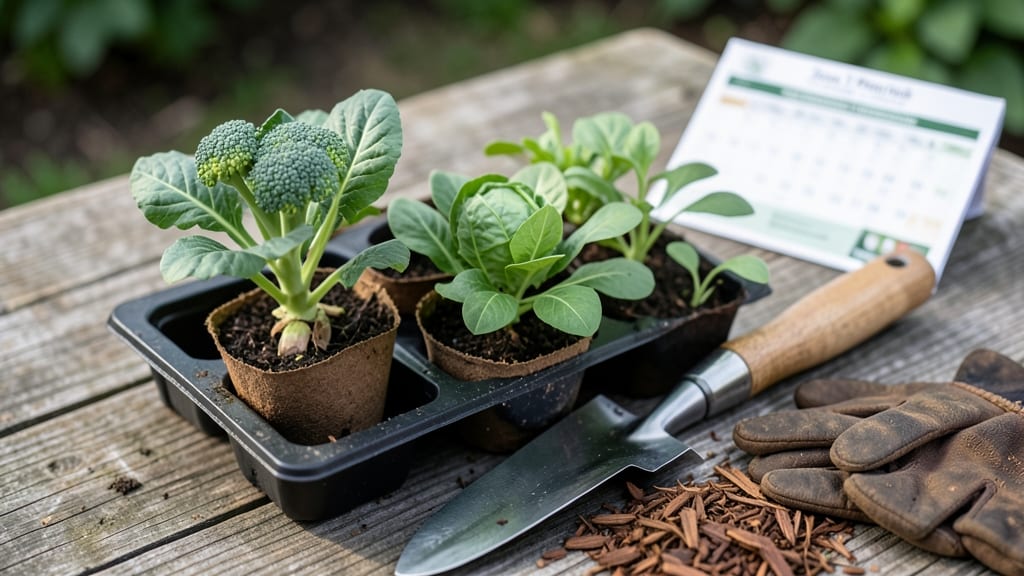
Planting a garden in Zone 7 means timing is everything—get it wrong, and frost will turn your hard work into a sad, wilted memory.
If you’ve ever wondered why some gardeners in Zone 7 plant tomatoes in March while others wait until May, the answer lies in understanding your microclimate—and avoiding frost’s silent damage to your crops.
Zone 7’s average last frost date (around March 15) is just a starting point. Coastal areas stay warmer longer, while inland valleys can drop 30°F colder overnight. That’s why a neighbor’s early plantings might thrive while yours shiver.
Below, I’ll break down the exact windows for cool-season crops (like spinach and peas) versus warm-season stars (tomatoes, peppers, and beans), plus how to adjust for your specific corner of Zone 7.
Zone 7 planting calendar: frost-free dates by last average frost date
Zone 7 gardeners face a critical decision point every spring: when to plant your warm-season crops without risking frost damage. The average last frost date for most of Zone 7 falls between March 15 and April 15, but this can vary by 10–14 days depending on your exact location.
For example, Charlottesville, VA typically sees its last frost around April 1, while Atlanta, GA averages March 25. Understanding these dates helps you align your planting schedule with your plants' needs.
Cool-season crops like broccoli, kale, and peas can often handle light frosts and may even thrive when planted 4–6 weeks before your average last frost date. Meanwhile, tomatoes, peppers, and cucumbers need to wait until 2–3 weeks after the last frost to avoid stunted growth or death.
The key is balancing soil temperature (ideally 60°F+ for warm-season crops) with air temperature trends.
Here’s your Zone 7 planting timeline based on average frost dates, with adjustments for early vs. late varieties:
For early varieties of warm-season crops like tomatoes, you can push the envelope and plant 2–3 weeks before your average last frost date—just be prepared to use frost blankets or a mini greenhouse if temperatures dip.
Conversely, late varieties (e.g., heirloom tomatoes) should wait until after May 10 to ensure they mature before fall’s first frost.
Don’t overlook soil temperature—it’s just as critical as air temperature. Use a soil thermometer to confirm your garden bed is ready. For example, cucumbers need soil at 70°F+, while peppers prefer 75°F+.
If your soil is still cool in early April, hold off on planting warm-season crops until conditions improve.
Zone 7’s first average frost date typically arrives between November 1 and November 15, giving you a 210-day growing season. This means you can squeeze in two full harvests—one in spring and one in fall—if you plan carefully.
For instance, spinach planted in early September can often survive until a light frost in November, while kale may even become sweeter after a frost.
Pro tip: Keep a gardening journal for at least 3 years to track your local frost dates. You might discover your true last frost date occurs 2 weeks earlier or later than the average, allowing you to fine-tune your planting schedule.
For example, if you notice peppers thriving when planted on April 20 instead of waiting for May, adjust next year’s schedule accordingly.
Remember, microclimates matter. A south-facing slope warms up faster than a north-facing garden, while a low-lying area may hold frost longer. By aligning your planting with local frost data and soil conditions, you’ll maximize your Zone 7 garden’s potential—whether you’re growing cool-season greens or heat-loving tomatoes.
Start with these frost-free guidelines, and soon you’ll be planting with the confidence of a seasoned Zone 7 gardener. Happy planting! 🌱
How microclimates in Zone 7 shift planting timing by 2–4 weeks
Your neighbor’s tomatoes might be thriving in March while yours wilt under frost—because their south-facing slope warms up 10°F faster than your north-facing yard. These microclimate differences in Zone 7 can shift your last frost date by 2–4 weeks, turning "too early" into "just right" for your garden.
The key? Understanding how slope, water, elevation, and urban heat create pockets of warmth or cold within your area.
Even within a 5-mile radius, Zone 7 gardens can experience 30°F+ temperature swings. A pond or river nearby might add 5–7°F of warmth, while a wooded hillside can delay spring by 3 weeks.
These variations mean the USDA’s average last frost date (March 15–April 15) is just a starting point—your true frost-free date could be weeks earlier or later.
Comparison Table: Microclimate Adjustments for Zone 7 Planting
| Microclimate Factor | Temperature Impact | Adjust Last Frost Date | Planting Window Shift | Example Plants to Try |
|---|---|---|---|---|
| South-facing slope | Warmer by 5–10°F | 2–3 weeks earlier | March 1–15 instead of April 1 | Peppers, eggplants, basil |
| North-facing slope | Colder by 3–7°F | 2–3 weeks later | April 20–May 5 instead of April 1 | Lettuce, spinach, broccoli |
| Urban heat island | Warmer by 5–15°F | 1–2 weeks earlier | Late February–March 10 | Tomatoes, cucumbers, okra |
| Near large water body | Warmer by 3–8°F | 1–2 weeks earlier | March 1–15 | Melons, squash, peppers |
| Valley or low elevation | Colder by 2–5°F | 1 week later | April 15–20 | Potatoes, onions, carrots |
| Wind-exposed area | Colder by 3–6°F | 1–2 weeks later | April 10–20 | Kale, Brussels sprouts, cabbage |
To calculate your true last frost date, observe your garden for 3 years and note when tender plants (like marigolds) survive overnight. Alternatively, use a minimum-maximum thermometer to track lows in your specific spot.
Even a 5-foot difference in elevation can mean 3–5°F warmer temps, letting you plant peppers 2 weeks earlier than your neighbor’s yard.
Pro tip: Cold-hardy crops like kale or spinach can handle your earlier frost dates, while heat-lovers (tomatoes, basil) need your warmer microclimates. Start seeds indoors in February for your south-facing slope but wait until mid-April for your shaded valley.
Your garden’s unique climate isn’t a disadvantage—it’s a tool for earlier harvests and longer growing seasons.
Next time you envy your neighbor’s March tomatoes, check their yard’s slope and sun exposureoutsmart frost and grow bigger, healthier crops tailored to your microclimate’s hidden warmth. 🌱