
Plants
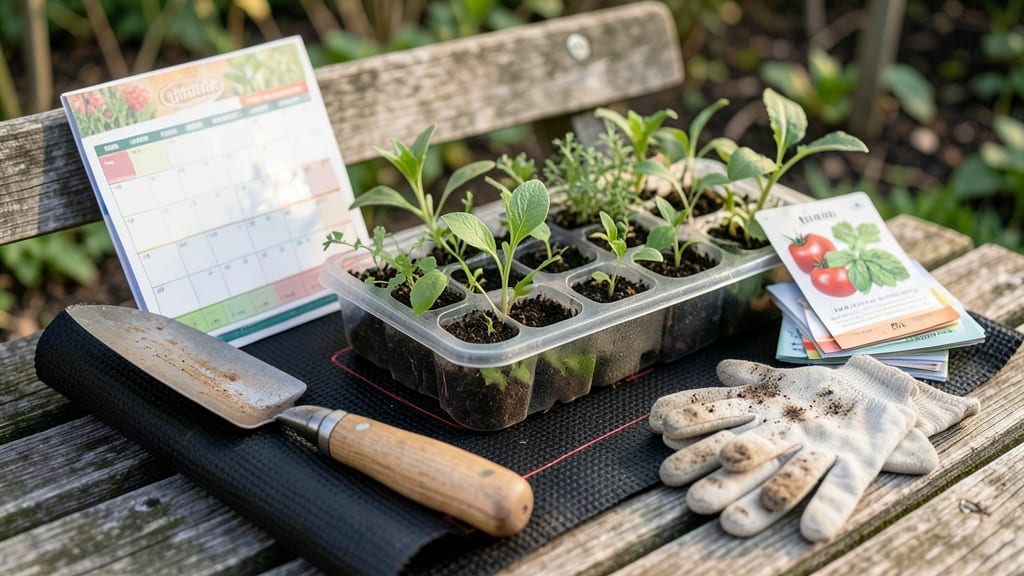
To plant garden plants at the right time means catching that narrow window between frost dates and peak growing conditions — and missing it can leave you with stunted growth or wasted effort.
Imagine pouring hours into seed starting, only to have a late frost turn your seedlings into crispy snacks. Or waiting too long to plant warm-season lovers like tomatoes, just as summer fades into fall. The difference between a bountiful harvest and a disappointing patch often comes down to timing.
Whether you're in Zone 6a or another region, the rules are simple: plant cool-season crops like spinach 4-6 weeks before your last frost, and warm-season stars like peppers after the danger has passed.
But here’s the catch — your exact dates depend on whether you’re starting seeds indoors or dropping them straight into the soil.
Below, I’ll break down the exact planting windows for your area, how to adjust for early starts or late seasons, and the one trick that lets you cheat the frost calendar by a full month. No guesswork, just science-backed timing.
How to use frost dates to determine planting times by region
Understanding your local frost dates is the first step to successful gardening. The last spring frost (when temperatures stay above freezing) and first fall frost (when temperatures dip below freezing) create your planting windows.
These dates vary dramatically—from March in Florida to June in Alaska—so knowing yours is critical for timing everything from warm-season tomatoes to cold-hardy spinach.
Frost dates determine when to plant cool-season crops (like broccoli) that thrive in cooler temperatures, versus warm-season crops (like peppers) that need heat. Even perennials and shrubs rely on frost-free periods to establish roots before winter. Without this timing, you risk seedling damage or stunted growth—both garden heartaches.
🌱 Here’s how to find your frost dates: Check the USDA Plant Hardiness Zone Map or use tools like the Old Farmer’s Almanac or National Weather Service. For precise data, look up your zip code on resources like [Almanac’s Frost Calculator](https://www.almanac.com/gardening/frostdates).
Most regions have 30-120 frost-free days, but coastal areas often enjoy longer growing seasons.
🌿 Why frost dates matter: Planting too early risks frost-killed seedlings, while planting too late shortens harvests. For example, tomatoes need 120+ frost-free days to mature, while radishes can be harvested in just 25 days.
Your frost dates help you align planting with your region’s climate, ensuring your garden thrives—not just survives.
💧 Cold-hardy vs. heat-sensitive plants: Cool-season crops (like kale or carrots) can handle light frosts and even thrive in cooler temps. These are your early spring or fall stars. Meanwhile, warm-season crops (like eggplants or squash) bolt or die if exposed to frost—they need consistent warmth to grow.
Knowing which category your plants fall into helps you avoid wasted seeds or failed harvests.
For example, in Zone 5 (like Chicago or Denver), your last frost might be May 15, while your first frost arrives October 1. This gives you a 138-day growing season—perfect for fast-maturing crops like bush beans (50 days) but too short for artichokes (150+ days).
Adjust by planting heat-loving crops (like peppers) after the last frost and cool-loving crops (like broccoli) 4-6 weeks before the first frost.
✂️ Pro tip: Use row covers or cold frames to extend your season by 2-4 weeks in spring/fall. For instance, if your frost date is May 10, covering tomato seedlings with frost cloth can let you plant them 2 weeks earlier.
Similarly, fall-planted garlic benefits from early planting to establish roots before winter. Always check your seed packet for days to maturity and match it to your frost-free window.
☀️ Regional adjustments: Coastal areas (like Seattle) often have milder winters, while inland regions (like Des Moines) face harsher frosts. Mountainous zones (like Denver) may have shorter seasons due to altitude.
Use your local cooperative extension office for hyper-local advice—they track microclimates that affect your garden. For example, valleys warm up faster than hilltops, so adjust planting times accordingly.
🌳 Perennials and trees also follow frost rules. Plant bare-root shrubs in early spring (before buds swell) or fall (6-8 weeks before frost) to avoid transplant shock
Best planting schedule by plant type: cool vs. warm season crops
Understanding whether your garden plants prefer cool or warm seasons is the first step to maximizing your harvest. Cool-season crops like lettuce and peas thrive when temperatures dip below 75°F, while warm-season crops such as tomatoes and peppers need consistent warmth above 60°F to germinate.
Planting at the wrong time can stunt growth or even kill seedlings—so timing is everything!
Your local last frost date and first frost date are your gardening compass.
For most regions, cool-season crops should go in the ground 4-6 weeks before the last frost, while warm-season crops need to wait until soil temperatures hit at least 60°F. Let’s break down the perfect schedule for each type, including regional adjustments for cooler or warmer climates.
- Early Spring (Feb-Mar): Start seeds indoors for cabbage, broccoli, and onions. Direct sow peas and spinach once soil is workable (around 40°F).
- Late Spring (Apr-May): Transplant lettuce, kale, and radishes 2-3 weeks before last frost. Avoid planting if frost is forecasted within 2 weeks.
- Fall (Aug-Sep): Sow garlic, carrots, and beets 6-8 weeks before first frost. Harvest cool-season greens before hard frost hits.
- Late Spring (May-Jun): Wait until soil is at least 60°F to plant tomatoes, peppers, and cucumbers. Start seeds indoors 6-8 weeks before last frost.
- Summer (Jun-Jul): Direct sow beans, corn, and squash after all danger of frost has passed. Mulch to retain heat and moisture.
- Fall (Aug-Sep): For regions with mild winters, plant warm-season crops like basil or eggplant 8-10 weeks before first frost for a late harvest.
Regional adjustments are key—if you’re in a Zone 5 or colder, extend your cool-season planting window by using row covers or cold frames to protect tender plants.
In warmer climates (Zones 8-10), you might plant warm-season crops as early as February or as late as November, depending on your microclimate.
Pro tip: Use a soil thermometer to check temperatures before planting warm-season crops. If soil is below 60°F, seeds may rot or fail to germinate. For cool-season crops, aim for soil temps between 45°F and 75°F for optimal growth.
Always read your seed packets—they often include specific planting instructions tailored to your region!
Don’t forget about succession planting! For warm-season crops like lettuce or bush beans, sow new seeds every 2-3 weeks to ensure a continuous harvest. This works especially well in smaller gardens where space is limited.
By aligning your planting schedule with your plants’ temperature preferences and local frost dates, you’ll avoid common pitfalls like bolting (premature flowering) in cool-season crops or poor germination in warm-season varieties. Happy planting—your future harvest depends on it! 🌱