
Planting
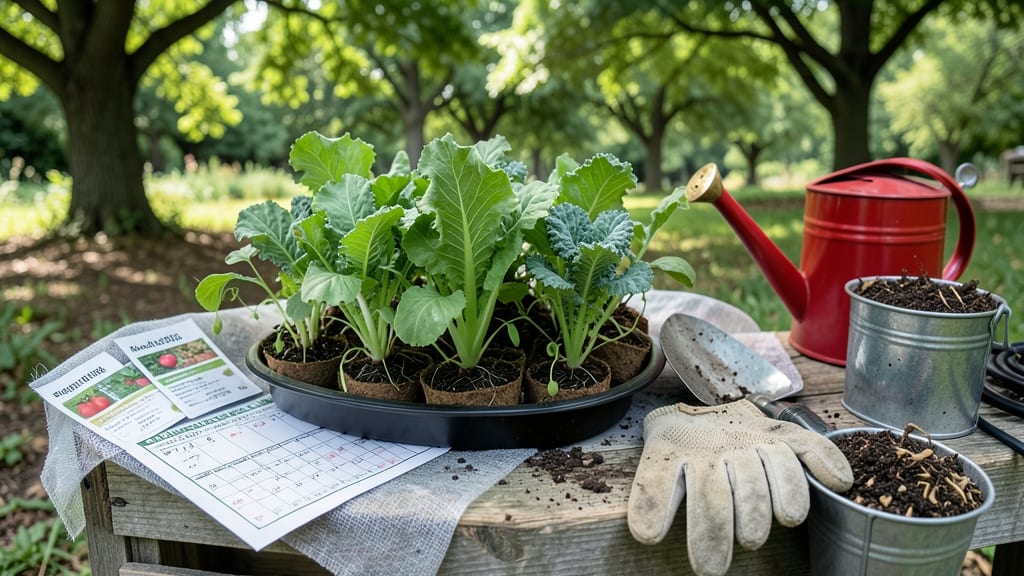
Planting a vegetable garden in Seattle means timing your crops to beat the late frosts and make the most of the short growing season—and the right schedule can mean the difference between a bountiful harvest and a sad, wilted mess.
Seattle’s unpredictable weather—cool summers, chilly winters, and late frosts—can make timing your vegetable garden tricky, but mastering the right planting schedule ensures a thriving harvest year-round.
Whether you're sowing cool-season greens in early spring or warm-season tomatoes in summer, knowing the ideal window keeps your garden productive from March through October.
Most Seattle gardeners start their cool-season crops like kale, peas, and spinach between March 15 and May 15, while warm-season favorites such as tomatoes and peppers go in after the last frost, around May 15.
But with USDA Zone 8a conditions, even a few weeks off can spell disaster—so we’ll break down the exact frost dates, best varieties, and succession planting tricks to stretch your harvest.
By the end, you’ll know exactly when to plant every crop in your Seattle vegetable garden, plus how to protect tender seedlings and extend your season into fall. Let’s get growing!
Seattle’s planting calendar: frost dates and best months for vegetables
Seattle’s cool maritime climate creates a unique growing season where frost dates are everything. Unlike warmer regions, our last spring frost typically hits around April 15, while the first fall frost arrives by October 15.
This short window—just 165 frost-free days—means careful planning is key to maximizing your harvest. Warm-season crops like tomatoes and peppers need to be in the ground after May 1, while cool-season greens thrive when planted in early spring or late summer.
Understanding these month-by-month windows helps you avoid common pitfalls like late frosts damaging tender seedlings or early frosts ruining summer crops. For example, broccoli and kale can handle light frosts, but cucumbers and beans will bolt if planted too early.
Let’s break down the best times to plant each crop, so you can enjoy fresh produce from spring through fall.
Pro Tip: Use row covers or cold frames to extend your season by 2-4 weeks on either end. These tools let you plant warm-season crops earlier in spring or cool-season crops later in fall, giving you a longer harvest window.
| Month | Cool-Season Crops (Plant) | Warm-Season Crops (Plant) | Notes |
|---|---|---|---|
| March | Peas, Spinach, Lettuce, Kale, Carrots | Start indoors: Tomatoes, Peppers, Eggplants | Soil temps: 40-50°F; use row covers for frost protection. |
| April | Broccoli, Cabbage, Radishes, Beets | Hardy seedlings: Tomatoes, Peppers (after April 15) | Watch for late frosts; wait until soil warms to 50°F+. |
| May | Succession plant: Lettuce, Spinach | Direct sow: Beans, Corn, Cucumbers, Squash | Full sun essential; 6+ hours daily for warm-season crops. |
| June | None (too hot for cool crops) | Plant: Okra, Sweet Potatoes, Basil | Water deeply 2-3x/week; mulch to retain moisture. |
| July | None (focus on harvest) | Succession plant: Beans, Zucchini, Summer Squash | Watch for pests like squash bugs; handpick eggs daily. |
| August | Kale, Spinach, Arugula, Radishes | None (too late for warm crops) | Plant 4-6 weeks before first frost for fall harvest. |
| September | Broccoli, Cabbage, Lettuce, Peas | None (focus on harvest) | Use cold frames to extend harvest into October. |
| October | Spinach, Kale, Garlic (for spring harvest) | None (frost risk) | Prepare soil for spring planting; add compost. |
For cool-season crops, focus on March and September plantings to avoid the heat of summer. Leafy greens like spinach and kale can handle light frosts and even taste sweeter after a 20°F night.
Meanwhile, root vegetables like carrots and beets should be sown in early spring or late summer to prevent bolting in the heat.
Warm-season crops like tomatoes and peppers need to wait until after May 1, when soil temperatures consistently stay above 50°F.
If you’re eager to plant earlier, use black plastic mulch to warm the soil faster. Corn and beans also thrive in Seattle’s summer but require full sun and consistent watering to prevent ear rot or blossom drop.
Don’t forget about succession planting! Many crops like lettuce, radishes, and beans benefit from staggered plantings every 2 weeks. This ensures a continuous harvest instead of one big yield. For example, plant radishes every 10 days in spring for fresh harvests all summer.
If you’re new to Seattle gardening, start
Top 10 frost-resistant vegetables for Seattle gardens
Seattle’s cool maritime climate and unpredictable frosts make selecting the right frost-resistant vegetables essential for a successful harvest. Unlike heat-loving crops, these hardy varieties thrive in 40°F to 50°F temperatures and even tolerate light frosts.
I’ve tested these top performers in my own Zone 8a garden, and they consistently deliver—whether you’re planting in early spring or late fall.
From leafy greens that sweeten after frost to root vegetables that store well, these cold-hardy crops extend your growing season and reduce waste. The key is choosing varieties bred for short-day conditions and moist, acidic soils (Seattle’s signature combo).
Let’s dive into my top 10, complete with planting windows and pro tips to beat Seattle’s chill.
-
1. Kale (Winterbor or Red Russian)
🌱
Plant March–May or August–September; tolerates 20°F. Harvest outer leaves to encourage regrowth.
-
2. Peas (Sugar Snap or Snow Peas)
🌱
Direct-sow March–April or August; trellis for air circulation. Thrives in 40°F+ soil.
-
3. Spinach (Bloomsdale Long Standing)
🌱
Sow March–April or September; bolts at 75°F+. Partial shade extends harvest.
-
4. Carrots (Nantes or Purple Haze)
🌱
Plant March–June or August–September; loosen soil to prevent forking. Harvest before first frost.
-
5. Broccoli (De Cicco or Waltham)
🌱
Start indoors February–March or July–August; transplant when soil hits 45°F. Side-dress with compost.
-
6. Brussels Sprouts (Long Island Improved)
🌱
Plant March–April; harvest after first frost for sweeter flavor. Stake tall varieties.
-
7. Lettuce (Winter Density or Arctic King)
🌱
Sow March–September; succession plant every 2 weeks. Shade cloth protects from heat.
-
8. Radishes (Cherry Belle or Easter Egg)
🌱
Direct-sow March–October; ready in 25–30 days. Thin to 2 inches apart.
-
9. Beets (Detroit Dark Red)
🌱
Plant March–July or August–September; harvest greens first. Store roots in sandy soil.
-
10. Swiss Chard (Bright Lights)
🌱
Sow March–June or August–September; cut-and-come-again harvest. Mulch to retain moisture.
My favorite trick for fall planting? Use row covers to shield seedlings from October’s early frosts. For example, I’ve extended my kale harvest into December by covering plants with lightweight fabric when temps drop below 35°F.
And don’t overlook succession planting: Radishes and lettuce mature quickly, so sow new seeds every 2 weeks for continuous harvests.
For soil prep, amend beds with compost and aged manure before planting—Seattle’s acidic soil benefits from a pH boost to 6.0–7.0. I also mix in sand or perlite to improve drainage, especially for root crops like carrots. And remember: water consistently