
Planting
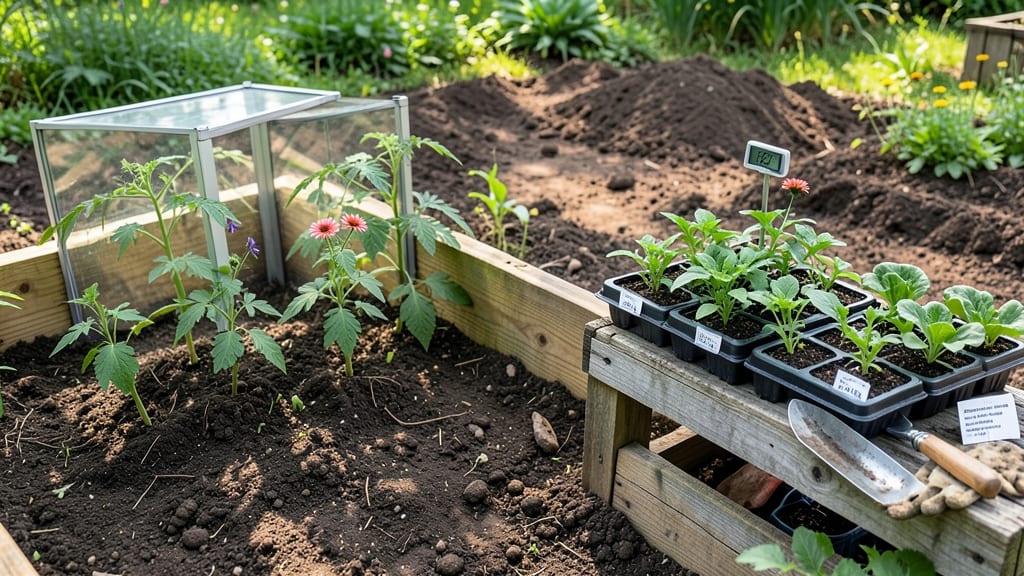
Planting your garden in Ohio after the last frost date — typically around mid-April — is the secret to avoiding those heartbreaking early-season losses.
Ohio’s unpredictable spring weather can turn a gardener’s excitement into frustration if you plant too early—or too late. Timing your garden by crop type and frost dates is the key to a thriving harvest, but knowing exactly when to start seeds and transplant seedlings is often confusing.
Whether you’re growing cool-season greens like spinach or heat-loving tomatoes, the right timing makes all the difference. In this guide, we’ll break down the best planting windows for Ohio’s USDA Zone 6a, including regional variations so you can adjust for Toledo’s chilly mornings or Cincinnati’s warmer microclimates.
You’ll also discover how to extend your growing season with simple tricks, like using frost cloths or choosing fast-maturing varieties. By the end, you’ll have a clear, crop-by-crop timeline to maximize your Ohio garden’s potential—no guesswork required.
Ohio’s frost-free dates by region: critical planting windows
Ohio’s USDA hardiness zones (5a-6b) create distinct planting windows across the state, but even within zones, microclimates and urban heat islands can shift frost dates by weeks.
Northern Ohio (like Toledo) often sees its last spring frost in mid-May, while southern Ohio (like Cincinnati) may hit frost-free conditions by early April. These differences mean your tomato seedlings might thrive in Cincinnati but risk frost damage in Toledo if planted too early.
Understanding these regional variations helps you avoid common mistakes like planting warm-season crops before the soil warms or losing cool-season veggies to unexpected late frosts. For example, peas and lettuce can handle light frosts, while eggplants and basil need consistent warmth.
Even within a city, a backyard near pavement may warm up faster than a rural field, creating a 1-2 week advantage for early planting.
Here’s how Ohio’s three key regions compare—and how to adjust for your specific location:
If you’re in northern Ohio (Toledo area), your growing season is shorter, so focus on fast-maturing varieties like bush beans (50 days) or radishes (25 days).
In central Ohio (Columbus), you’ve got flexibility to try two plantings of zucchini—one in early May and another in late June. Meanwhile, southern Ohio (Cincinnati) gardeners can push the envelope with peppers and eggplants, sometimes even getting a fall harvest of tomatoes planted in July.
For accurate local timing, track your own data for 2-3 years. Note when your hyacinths bloom (a reliable frost predictor) or when cherry blossoms fall. These natural markers often align with frost dates better than calendar averages.
I’ve found that my Columbus backyard runs about 5 days later than the official USDA averages—so I adjust my seed starting dates accordingly.
Another pro tip: Use frost-sensitive plants as your canary in the coal mine. If your marigolds or coleus survive overnight outside by April 15, you’re likely safe to plant tomato seedlings.
But if they’re crispy by morning, wait another week. This DIY frost test has saved me from multiple failed pepper plantings in past springs.
Don’t forget about fall planting either! Southern Ohio can often squeeze in a second planting of lettuce or spinach in early September, while northern Ohio might manage just kale or radishes by mid-September.
The key is calculating your first frost date and working backward—most cool-season crops need 30-60 days to mature before frost.
For container gardeners, remember that pots warm up faster than soil, so you can often plant 2 weeks earlier than in-ground. Just be prepared to move containers indoors if a late frost threatens. I’ve used this
Best planting timeline for Ohio crops: cool vs. warm season
Ohio gardeners know timing is everything—plant too early, and a late frost will wipe out your tender seedlings. Plant too late, and you’ll miss the growing season entirely.
The key is understanding whether your crops thrive in cool-season conditions (like peas and lettuce) or need warm soil and air (like tomatoes and basil). Below is my foolproof month-by-month guide tailored to Ohio’s USDA zones 5a-6b, with adjustments for northern, central, and southern regions.
For cool-season crops, you can start seeds indoors as early as February-March, while warm-season crops shouldn’t go into the ground until after the last frost—typically mid-April to early May in most of Ohio.
I’ve broken it down by crop type so you can plan ahead for a successive harvest all season long.
| Crop Type | Indoor Start (Seeds) | Outdoor Transplant | Direct Sow Outdoors | Harvest Window |
|---|---|---|---|---|
| Cool-Season Vegetables | Feb-Mar (6-8 wks before last frost) | April (after last frost) | March-April (as soon as soil is workable) | May-July (spring) or Sept-Oct (fall) |
| Examples | Lettuce, Spinach, Kale, Peas, Broccoli | Cabbage, Cauliflower, Brussels Sprouts | Radishes, Carrots, Beets, Potatoes | N/A |
| Warm-Season Vegetables | March-April (4-6 wks before last frost) | May-June (after soil reaches 60°F) | May-June (after last frost) | June-Sept (or until frost) |
| Examples | Tomatoes, Peppers, Eggplants, Basil | Tomatoes, Peppers, Cucumbers, Squash | Green Beans, Corn, Cucumbers, Melons | N/A |
| Herbs | March (4-6 wks before last frost) | April-May (after last frost) | April-May (direct sow after frost) | June-Sept (or until frost) |
| Examples | Basil, Parsley, Chives | Dill, Sage, Rosemary | Cilantro, Dill, Parsley | N/A |
| Flowers | March-April (4-8 wks before last frost) | April-May (after last frost) | April-May (direct sow after frost) | June-Sept (or until frost) |
| Examples | Marigolds, Petunias, Snapdragons | Geraniums, Coleus, Impatiens | Zinnias, Sunflowers, Nasturtiums | N/A |
Let’s start with cool-season crops, which can handle—and even prefer—cooler temperatures. These include leafy greens like lettuce and spinach, as well as root vegetables like carrots and beets. In Ohio, I recommend starting spinach and peas indoors in early March so they’re ready to transplant by mid-April.
For direct sowing, radishes and peas can go into the ground as early as late March, as long as the soil isn’t frozen or waterlogged.
For warm-season crops, patience is key. Tomatoes, peppers, and basil need warm soil temperatures (60°F+) to thrive, so I wait until after the last frost date—usually mid-May in northern Ohio and early May in southern Ohio—to transplant seedlings.
If you’re starting seeds indoors, begin with tomatoes and peppers in early March to give them enough time to mature before the growing season kicks off.
Don’t forget about fall planting! Many cool-season crops, like kale and broccoli, can be direct-sown in late August to early September for a harvest before winter. This is a great way to extend your garden’s productivity and make the most of Ohio’s 165-day frost-free season.
Just be sure to use row covers if early frosts threaten your fall crops.
Pro tip: Use frost dates as your guide, but also monitor soil temperatures with a thermometer. Cool-season crops can handle 45-65°F soil, while warm-season crops need 60-85°F.
If your soil is still cold in May, wait a few more weeks before planting heat-lovers like cucumbers or squash.
With this timeline, you’ll avoid the common mistakes of planting too early or too late, ensuring a bountiful harvest from spring through fall. Happy planting! 🌱