
Tools
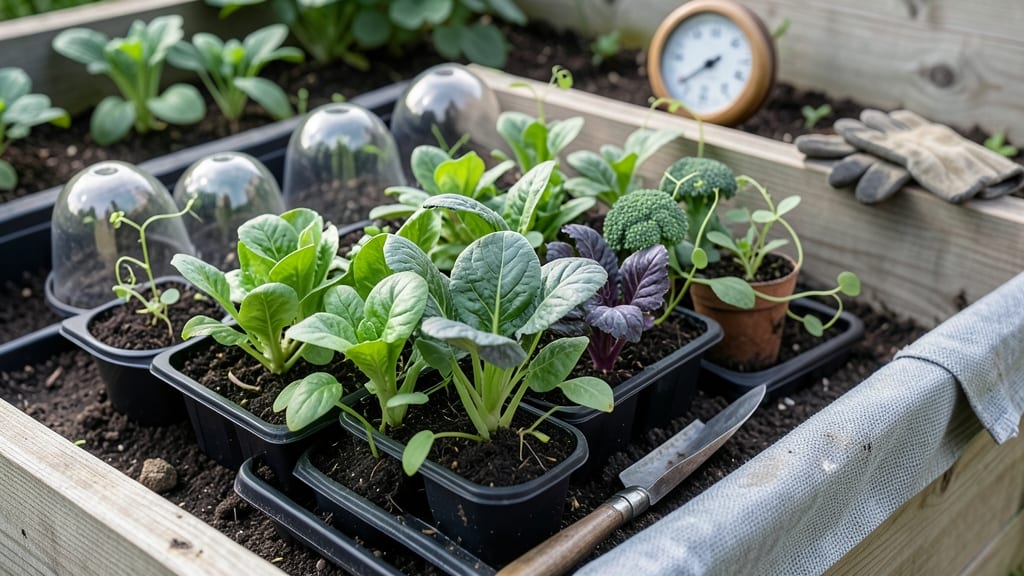
Starting a garden in Ohio at the right time means catching that narrow window between late frosts and summer heat—miss it, and you risk losing your entire crop.
Ohio’s unpredictable frost dates can turn your garden dreams into a guessing game—plant too early, and you risk losing your crops to late frosts; too late, and you miss the growing season entirely.
But with the right timing, you can maximize your harvest and avoid common gardening mistakes that plague Ohio gardeners.
Whether you’re sowing seeds indoors in March or transplanting seedlings after the last frost in May, this guide breaks down the exact deadlines for Ohio’s 6a/6b zones—plus how to stretch your season with row covers and succession planting.
You’ll learn which crops thrive in Ohio’s 165 frost-free days, how to prep soil for early planting, and the one trick that keeps your garden productive until October.
Ohio’s frost dates by Zone: when to plant cool-season and warm-season crops
Ohio’s diverse climate means frost dates can vary dramatically between USDA zones 5b, 6a, 6b, and 7a.
Whether you’re in Columbus (Zone 6b), Cleveland (Zone 6a), or Cincinnati (Zone 6a/7a), knowing your last spring frost and first fall frost is critical for timing your cool-season crops (like kale and peas) and warm-season crops (like tomatoes and peppers).
In northern Ohio, gardeners in Zone 5b (e.g., Toledo) often face late spring frosts until May 10–20, while southern Ohio’s Zone 7a (e.g., Cincinnati) typically sees frost-free conditions by April 1–15. These differences can mean the difference between a thriving garden and a failed harvest.
Below is a zone-by-zone breakdown of Ohio’s average frost dates, along with planting windows for both cool-season and warm-season crops. Use this as your guide to avoid the #1 mistake Ohio gardeners make: planting too early and losing crops to surprise frosts.
🌱
For cool-season crops like spinach, lettuce, and peas, start seeds indoors 4–6 weeks before your last frost date. In Zone 5b, that means sowing by early April, while Zone 7a gardeners can begin as early as late February.
These crops thrive in cooler temperatures and can even tolerate light frosts.
Warm-season crops, such as tomatoes, peppers, and squash, need soil temperatures above 60°F (15°C) to germinate. In northern Ohio (Zone 5b/6a), wait until after May 15 to plant these heat-lovers outdoors.
In southern Ohio (Zone 6b/7a), you can push the timeline to early April for transplants or late March for cold-hardy varieties like bush beans.
Pro tip: Use row covers or cold frames to extend your spring planting window by 2–4 weeks. This lets you plant cool-season crops earlier and warm-season crops slightly sooner without frost risk. Just be sure to remove covers when flowers appear to prevent tomato blossom drop.
If you’re in doubt about frost dates, check the Ohio
Step-by-step planting timeline for Ohio gardens: what to sow when
Ohio’s gardeners know timing is everything—cool-season crops like spinach and peas thrive in early spring, while warm-season favorites like tomatoes and peppers need to wait until after the last frost.
Missing these deadlines can mean lost harvests, but with a month-by-month plan, you’ll stay ahead of Ohio’s unpredictable weather. Start by marking your calendar for mid-March, when most Ohio gardeners begin their indoor seed-starting journey.
For cool-season vegetables, direct-sow hardy crops like spinach, peas, and carrots as soon as the soil is workable in early March (under row covers). Meanwhile, warm-season crops like tomatoes and peppers should wait until after the last frost date, typically mid-to-late May in most of Ohio.
Use this timeline to align your planting with Ohio’s 165 frost-free days and avoid common mistakes like planting too early or too late.
Pro tip: Use Ohio State University Extension’s frost date maps to refine your schedule—Columbus and Cincinnati often have later frost dates than Toledo or Youngstown. For warm-season crops, wait until the soil reaches 60°F (15°C)—a soil thermometer is your best friend.
I’ve found that transplanting after Memorial Day gives my tomatoes a head start against Ohio’s summer heat.
Don’t forget to succession plant every 2-3 weeks for a continuous harvest. For example, sow lettuce every 10 days from spring to fall to avoid bolting. Ohio’s 165 frost-free days are packed with potential—plan wisely to make the most of them! 🌱