
Pruning
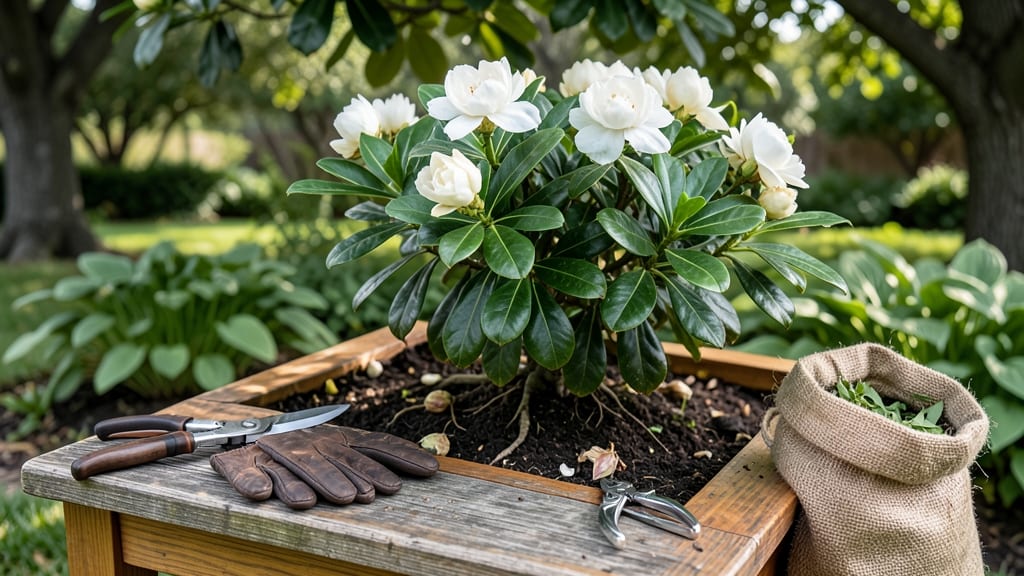
Pruning gardenias in Georgia at the right time keeps your 🌸 shrubs blooming and pest-free all season.
Georgia’s humid climate makes gardenias thrive—but pruning them at the wrong time can stunt blooms or invite pests. Timing your cuts correctly ensures lush foliage, vibrant flowers, and a healthier plant all season long.
Most gardeners wait until late winter or early spring, just before new growth starts, but the best time depends on your region’s frost dates and whether you want to encourage more flowers. In 7b-8b zones, this usually means February or March, right after the last frost.
Below, I’ll break down the exact windows for pruning, how to shape your gardenias without harming them, and what to watch for after cutting to keep your plants thriving.
Optimal pruning seasons for Georgia gardenias: blooms vs. pest control tradeoffs
Georgia’s humid subtropical climate creates perfect conditions for gardenia bushes to thrive, but pruning them at the wrong time can backfire. The bloom cycle and pest pressure change dramatically between seasons, forcing gardeners to choose between maximizing flowers or preventing infestations.
Understanding these tradeoffs helps you time cuts for vibrant blooms without inviting scale insects or fungal diseases.
Most gardeners focus on late winter pruning (February-March) to shape plants before new growth begins. However, Georgia’s mild winters in zones 7b-8b mean gardenias often stay active year-round, making timing even more critical.
Pruning too early can remove next year’s flower buds, while waiting too long may stress the plant during peak pest season (summer).
Comparison Table: Georgia Gardenia Pruning Seasons
The late winter pruning window (February-March) is ideal for structural shaping and removing dead or crossing branches. In Georgia’s USDA zones 7b-8b, this aligns with the plant’s natural dormancy period, reducing stress.
However, avoid heavy pruning—gardenia flower buds form on old wood, so aggressive cuts can reduce next year’s blooms by 30-40%.
For pest control, early spring pruning (April-May) helps remove aphid-infested growth before populations explode. But timing matters: prune after the first flush of blooms to preserve flowering energy.
Georgia’s humid summers create perfect conditions for scale insects and powdery mildew, so post-bloom pruning (June-July) should focus on deadheading rather than major cuts.
Summer pruning is never recommended in Georgia’s climate. The high humidity and hot temperatures create open wounds that attract fungal pathogens like Botrytis blight.
If you must prune during summer, do so only in early morning on dry, cloudy days and sterilize tools with 70% isopropyl alcohol to prevent infections.
Georgia’s coastal regions (like Savannah) have warmer winters and longer growing seasons, allowing gardeners to prune slightly later (March-April) without risking frost damage. In contrast, Piedmont areas (Atlanta and north) experience cooler nights, making February pruning safer.
Always check your last frost date—pruning too early can expose tender new growth to freeze damage.
Pro tip: Use sharp, sterilized shears and make cuts at 45-degree angles just above outward-facing buds. This encourages healthier regrowth and reduces disease entry points.
After pruning, apply a 2-inch layer of mulch to retain moisture and suppress weeds, which compete with gardenias for nutrients during their critical blooming months.
Balance is key: prioritize late winter shaping for structure, post-bloom deadheading for reblooming, and avoid summer cuts entirely. With this approach, your gardenias will reward you with glossy foliage and fragrant white blooms from spring through fall—without the pests that follow careless pruning.
Step-by-step pruning guide: what to cut and when to avoid common mistakes
Pruning your gardenias in Georgia isn’t just about shaping—it’s about preserving those fragrant blooms while avoiding fungal diseases that thrive in our humid air. The key is timing and technique, especially since over-pruning can stress your shrub and reduce next year’s flowers.
Let’s break down the exact steps to prune like a pro, including Georgia-specific warnings to keep your gardenias healthy.
Before grabbing your pruners, know that late winter to early spring (just after last frost, around March 15) is the safest window for major pruning. This timing allows your gardenia to recover before summer heat and sets the stage for abundant blooms by summer.
Avoid pruning in fall or winter, as Georgia’s cool, damp conditions can invite root rot or powdery mildew.
-
Step 1: Sanitize Your Tools
Use 70% rubbing alcohol or bleach solution (1 part bleach to 9 parts water) to sterilize pruners. This prevents bacterial spread like Xanthomonas, a common gardenia disease in Georgia’s humidity. -
Step 2: Remove Dead or Diseased Wood
Cut out brown, mushy, or blackened branches at a 45-degree angle just above a leaf node. This improves airflow and reduces fungal hotspots. -
Step 3: Thin Out Crowded Branches
Focus on thinning interior branches to let light reach the center. Aim to remove 1/3 of the oldest wood to encourage new growth and flower production. -
Step 4: Deadhead Spent Blooms
After flowering (summer to fall), snip off faded blooms down to the nearest leaf pair. This redirects energy to next year’s buds instead of seed production. -
Step 5: Shape Lightly for Aesthetics
Use hand pruners to trim overly long branches to maintain your desired shape. Avoid heavy shaping—gardenias bloom on old wood, so drastic cuts can reduce flowers. -
Step 6: Apply Fungicide (Georgia Warning!)
After pruning, spray with a copper fungicide to prevent powdery mildew or botrytis blight, which are rampant in Georgia’s humid summers. -
Step 7: Mulch and Water Deeply
Add 2-3 inches of mulch around the base (keep it 6 inches from the trunk) and water deeply to help roots recover. Avoid wetting the foliage to prevent fungal spores.
One of the biggest mistakes in Georgia gardening is over-pruning to achieve a "neat" look. Gardenias bloom on old wood, so cutting back too aggressively can eliminate next year’s flowers. Stick to light shaping and thinning—never remove more than 25-30% of the plant in a single session.
If you’re unsure, prune conservatively and observe the plant’s response over the next growing season.
Another critical Georgia-specific tip: Avoid pruning during peak humidity (late afternoon in summer) or after rain. Wet conditions can spread fungal spores through fresh cuts.
Instead, prune in the morning when the air is drier and temperatures are cooler. This simple habit can halve your risk of disease.
Finally, fertilize lightly after pruning with an acid-loving plant food (like 6-6-6 NPK) to support new growth. Georgia’s clay-heavy soils often lack organic matter, so mix in compost or peat moss to improve drainage and root health.
With the right timing and care, your gardenia will reward you with glossy leaves and fragrant blooms all summer long.