
Tools
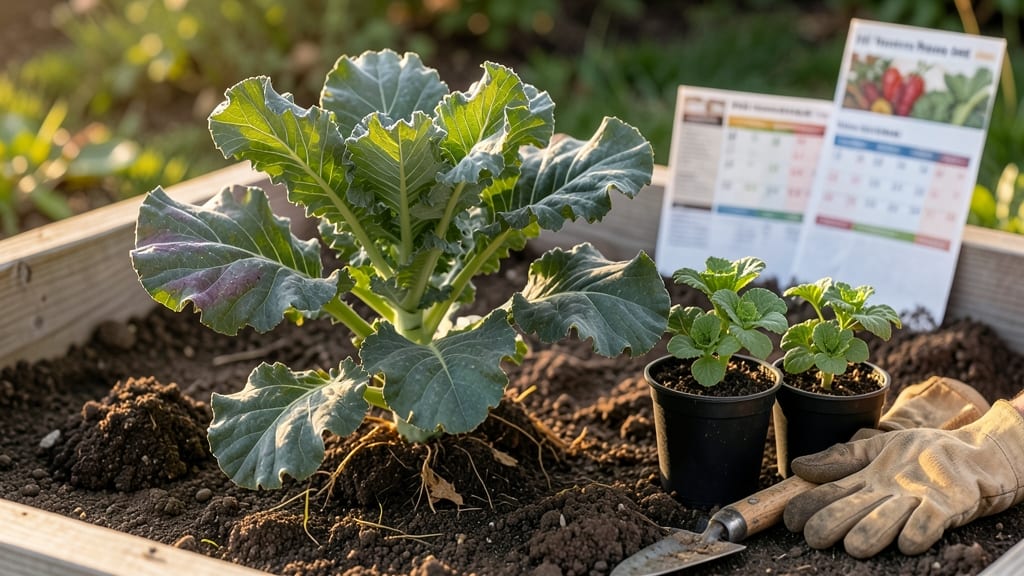
Starting a fall garden at the right time means the difference between a bountiful harvest and wasted effort — and the clock is ticking.
You’ve got 4-6 weeks before your first frost to get cool-season crops in the ground, but miss that window, and summer heat will send your seedlings bolting before they even mature. Too early, and you’ll spend the season chasing pests or thinning overcrowded seedlings.
Get it wrong, and you’ll end up with empty garden beds while your neighbors enjoy crisp kale and sweet carrots.
This isn’t just about planting dates—it’s about understanding your USDA hardiness zone, soil temperature, and the specific needs of your Fall Garden Vegetables (General) 🍂. Whether you’re in zone 3 or 10, the right timing ensures your greens, roots, and brassicas thrive through October and beyond, not just survive.
Below, I’ll break down the exact zone-by-zone schedule for seeds vs. transplants, the top 5 cool-season crops to prioritize, and the 3 mistakes that derail even the most eager gardeners. No more guessing—just a foolproof plan to turn your late-summer garden into a fall feast.
Fall planting timeline by USDA hardiness zones: when to start seeds vs transplants
Mastering your fall planting schedule depends on your USDA hardiness zone—each zone has unique last frost dates and seed-starting windows. Plant too early, and your cool-season crops will bolt in summer heat; too late, and frost will ruin your harvest.
Let’s break down the ideal timing for seeds vs. transplants by zone to maximize your fall garden’s potential.
For most cool-season vegetables like kale, spinach, and carrots, the goal is to plant 4-8 weeks before your first frost. This timing ensures they mature before winter sets in.
However, zone 3-5 gardeners have shorter growing seasons than zones 6-10, so adjustments are key. Below, we’ll cover the critical deadlines for both direct sowing seeds and transplanting seedlings.
In zones 3-4, where summers are short, focus on fast-maturing crops like radishes (25 days) and bush beans (50 days). Start seeds indoors in mid-July and transplant by early August to avoid summer heat stress.
For zones 5-6, you have more flexibility—direct sow carrots and lettuce in late July and transplant broccoli seedlings by mid-August.
Gardeners in zones 7-10 can push the envelope further. In zone 7, transplant Brussels sprouts by late September for a winter harvest. Meanwhile, zone 10 gardeners can extend planting into early November, focusing on cold-hardy greens like kale and spinach that thrive in cooler weather.
Always check your local frost dates—they can vary by 1-2 weeks even within the same zone.
Pro tip: Use row covers or cold frames to extend your growing season by
Top 5 cool-season vegetables to plant in fall (and how early to start them)
Fall gardening rewards patience—plant the right cool-season vegetables at the perfect time, and you’ll enjoy fresh harvests well into winter. The key is starting early enough to avoid summer heat stress while giving plants time to mature before frost.
Let’s dive into the top 5 high-yield crops and their ideal planting windows.
For most USDA zones 4-8, the best time to start fall crops is 4-8 weeks before your first frost date.
Northern zones (4-6) should begin in early August, while southern zones (7-8) can wait until late August or early September. Transplants like broccoli and cabbage need more time, while fast-growing radishes can be sown just 3-4 weeks before frost.
- 📅 August (Zones 4-6): Start broccoli, cabbage, and kale transplants indoors 6-8 weeks before first frost. Direct-sow radishes and lettuce 3-4 weeks before frost.
- 📅 Late August (Zones 7-8): Begin spinach and carrots outdoors 4-6 weeks before frost. Use shade cloth for tender greens in hot climates.
- ⏳ 6-8 Weeks Before Frost: Transplant cauliflower and Brussels sprouts—they need the longest growing season of the group.
- 🌡️ Soil Temp Check: Wait until soil cools to 70°F or below for seeds; 60°F or below for transplants to prevent bolting.
- ❄️ 2-3 Weeks Before Frost: Sow fast-growing radishes and arugula for a quick harvest before winter sets in.
Let’s break down the top 5 cool-season vegetables for fall, including their seed-starting windows and harvest timelines. Broccoli and cauliflower are heavy hitters—start them early for large heads, but don’t wait too late or they’ll struggle to mature.
For leafy greens like spinach and lettuce, succession planting is key. Sow seeds every 2-3 weeks from mid-summer until 4 weeks before frost.
These crops tolerate light frosts, making them perfect for extending your harvest. Radishes, the fastest grower on this list, can be sown just 3 weeks before frost for a peppery winter treat.
Don’t overlook root vegetables like carrots and beets—they thrive in cool soil and store well for winter use. Plant them 8-10 weeks before frost to ensure they reach maturity.
In southern zones (9-10), where winters are mild, you can even plant overwintering crops like kale or collards in late fall for spring harvests.
Pro tip: Use row covers or cold frames to protect tender crops like lettuce from early frosts. This extends your harvest window by 2-4 weeks in cooler climates. With the right timing, your fall garden can outperform spring plantings in both yield and flavor!