
Tools
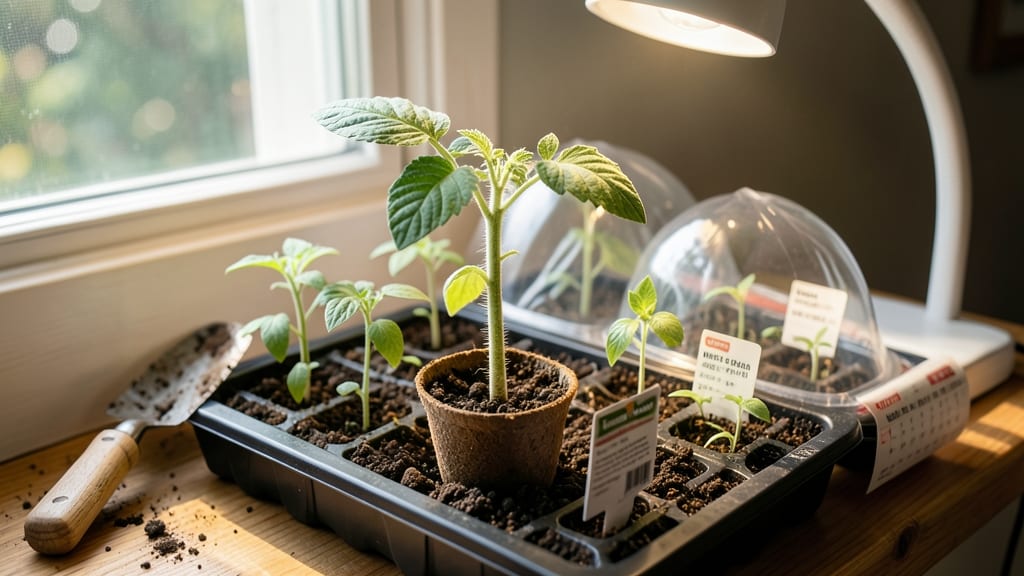
Starting garden seeds indoors at the right time ensures strong, healthy plants ready for transplanting when the weather warms up—a few weeks too early or late can mean the difference between a bountiful harvest and wasted effort.
Picture this: you’ve got your seed trays lined up, the grow lights are humming, and you’re counting down to your last frost date. But if you start those seeds too soon, you’ll be wrestling with leggy, overcrowded seedlings by spring. Too late, and you’ll miss the window entirely.
For Zone 6a gardeners like me, the ideal window typically opens in early February for heat-loving crops like tomatoes and peppers, while cooler-weather greens can wait until March. The key is matching your seed packet’s days-to-maturity with your frost-free date—something I’ll walk you through step by step.
In this guide, you’ll learn how to calculate your exact start dates, avoid common pitfalls, and even adjust for unpredictable weather. Whether you’re a first-time gardener or a seasoned pro, timing is everything—and I’ve got the week-by-week breakdown to help you nail it.
How to calculate your exact indoor seed starting timeline
Getting your indoor seed starts right means knowing exactly when to begin—because timing is everything. Miss the window, and you risk weak seedlings that can't handle outdoor conditions. But with the right formula, you'll have sturdy, healthy plants ready to transplant just as the weather warms up.
The key? Your last frost date, your plants' days to maturity, and your USDA zone. Let's break it down step by step.
First, find your average last frost date for your area. This is the date after which the risk of frost drops below 10%. Check the USDA Plant Hardiness Zone Map or your local cooperative extension service for precise data.
For example, in Zone 6a, the last frost typically falls around April 15. This date becomes your anchor point for planning.
Next, grab your seed packets—they list the days to maturity for each variety. This is the number of days from seed to harvest. For example, if your tomatoes need 70 days to maturity and you want to harvest by July 15, you'll need to work backward.
Subtract the days to maturity from your target harvest date, then subtract another 2-4 weeks for the time your seedlings need to harden off before transplanting.
Now, here’s the formula that ties it all together: Weeks to Start Indoors = (Days to Maturity - Days to Harden Off) ÷ 7. For those tomatoes in Zone 6a, that’s (70 - 21) ÷ 7 = 7 weeks before your last frost date.
Start them around March 1 for a July harvest. Adjust this formula for every seed type—peppers might need 80 days, while basil only takes 45 days.
But wait—your USDA zone matters! Plants in warmer zones (8-10) can start seeds earlier, sometimes as early as January. Meanwhile, gardeners in colder zones (3-5) may need to delay starts until March or even April.
Always double-check your zone and adjust the formula accordingly. For instance, in Zone 5a, where the last frost is around May 15, you might start tomatoes 8 weeks earlier, around March 15.
Don’t forget about cold-hardy crops like spinach or kale, which can handle cooler temperatures. These can often be sown directly outdoors 4-6 weeks before your last frost, but if you’re starting them indoors for a head start, begin them 6-8 weeks earlier.
The same logic applies to heat-loving plants like eggplants or okra, which need to be started indoors 10-12 weeks before your last frost in cooler zones.
Here’s a pro tip: Use a seed-starting calendar or app to automate these calculations. Many include built-in zone adjustments and reminders for transplanting. If you’re starting seeds for a fall harvest, reverse the process using your first frost date instead.
For example, if your first frost is October 15 and your bush beans take 50 days to mature, start them indoors 12 weeks before—around July 15.
| Plant Type | Days to Maturity | Weeks to Start Indoors (Zone 6a) | Adjustment for Zone 5a | Adjustment for Zone 8a |
|---|---|---|---|---|
| Leafy Greens (Spinach, Lettuce) | 30-45 days | 4-6 weeks before last frost | Start 1-2 weeks earlier | Start 1-2 weeks later |
| Tomatoes | 60-85 days | 6-8 weeks before last frost | Start 1-2 weeks earlier | Start 1-2 weeks later |
| Peppers (Bell, Chili) | 70-90 days | 8-10 weeks before last frost | Start 1-2 weeks earlier | Start 1-2 weeks later |
| Herbs (Basil, Parsley) | 45-60 days | 4-6 weeks before last frost | Start 1-2 weeks earlier | Start 1-2 weeks later |
| Flowers (Marigolds, Petunias) | 45-70 days | 6-8 weeks before last frost | Start 1-2 weeks earlier | Start 1-2 weeks later |
Once you’ve calculated your start dates, mark them on a calendar and set reminders. If you’re starting seeds for a spring harvest, begin with cool-season crops like broccoli or cabbage (8-10 weeks before last frost), followed by warm-season crops like
Best seeds to start indoors by category (vegetables, herbs, flowers)
Starting seeds indoors gives you a head start on the growing season, but timing is everything. Fast-growing varieties like lettuce or radishes need only 30-45 days to mature, while tomatoes and peppers can take 80-120 days.
Knowing your last frost date and each plant's days to maturity lets you calculate the perfect indoor starting window for every seed type.
Cold-hardy crops like kale and spinach can handle cooler temperatures, while heat-sensitive plants such as basil and cucumbers need to be started earlier.
Below, I’ve broken down the best seeds to start indoors by category, grouped by their maturity timelines and ideal starting windows for USDA Zone 6a (adjust for your zone!).
🌱 When to Start Seeds Indoors by Maturity
- 30-45 days to maturity: Start 4-6 weeks before last frost (e.g., lettuce, radishes, bush beans).
- 45-60 days to maturity: Start 6-8 weeks before last frost (e.g., carrots, beets, spinach).
- 60-80 days to maturity: Start 8-10 weeks before last frost (e.g., broccoli, cauliflower, cabbage).
- 80-120 days to maturity: Start 10-12 weeks before last frost (e.g., tomatoes, peppers, eggplants).
Pro Tip: For USDA Zone 6a, aim to start tomatoes and peppers by mid-February and cool-season crops by late March.
For herbs, basil and cilantro are best started indoors 8-10 weeks before last frost, while parsley and dill can handle cooler temps and may start 6-8 weeks out. Flowers like petunias and geraniums need 10-12 weeks indoors, but marigolds and zinnias can tolerate cooler starts at 6-8 weeks.
Heat-sensitive vegetables like cucumbers and squash should never be started too early—they’ll bolt in cool weather. Instead, wait until 2-3 weeks before transplanting outdoors (usually late April in Zone 6a).
For cold-hardy varieties, like kale or peas, you can even start them indoors in late winter for an early spring harvest.
Don’t forget to harden off seedlings before transplanting! Gradually expose them to outdoor conditions over 7-10 days to prevent shock. This is especially critical for long-season crops like tomatoes, which need time to adjust to sunlight and wind before hitting the garden.
By matching your indoor start times to each plant’s maturity needs, you’ll avoid the heartbreak of stunted seedlings or bolting plants. Happy planting—your garden will thank you!