
Watering
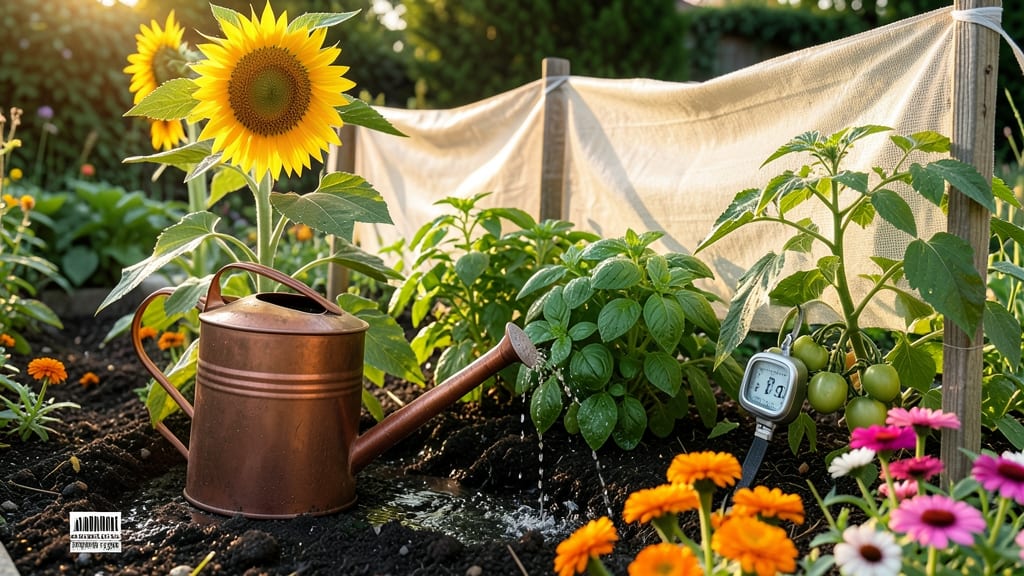
Watering your garden in summer at the wrong time can turn your hard work into a wilting mess—but the best window isn’t what you think.
Summer heat can turn your thriving garden into a wilting disaster if you water at the wrong time—yet most gardeners get this critical timing wrong. Whether you’re battling midday evaporation or fungal nightmares, the science behind morning vs. evening watering might surprise you.
Think you’re doing it right? Many gardeners water in the evening to "keep plants cool," but that’s actually inviting fungal diseases. Meanwhile, morning watering lets roots soak up moisture before the sun blazes, and it’s the secret weapon for drought-prone zones like 6a.
In this guide, I’ll break down the exact times to water—plus how to adjust for your 🌱 General Garden, soil type, and even your local climate—so you never over- or underwater again.


Best time to water garden plants in summer: morning vs. evening science
Summer's intense heat and dry winds can turn your garden into a battleground for plant survival. The right watering time makes all the difference between lush foliage and struggling plants.
Research from the University of California Cooperative Extension shows that watering timing affects evaporation rates, root absorption, and even disease resistance—yet most gardeners still guess rather than follow science-backed schedules.
Morning watering between 6 AM and 10 AM gives plants a full day to absorb moisture before the sun peaks. This method reduces water loss from evaporation by up to 30% compared to afternoon watering, according to studies from Arizona State University.
Meanwhile, evening watering (after 6 PM) keeps foliage damp overnight, creating ideal conditions for fungal diseases like powdery mildew and root rot.
| Factor | Morning Watering (6-10 AM) | Evening Watering (6-8 PM) |
|---|---|---|
| Evaporation Loss | Low (30% less than afternoon) | Moderate (15% less than midday) |
| Root Absorption | Optimal (full daylight for uptake) | Good (but slower overnight) |
| Fungal Risk | Low (foliage dries quickly) | High (damp leaves overnight) |
| Best For | Arid climates, vegetables, herbs | Humid climates, drought-resistant plants |
| Water Efficiency | High (less waste) | Moderate (may need more volume) |
For arid regions like the Southwest U.S., morning watering is non-negotiable. The University of Arizona recommends watering before 8 AM to prevent 40% of water loss from midday evaporation.
In contrast, humid climates (e.g., Southeast U.S.) can benefit from evening watering—just avoid keeping foliage wet past 8 PM to minimize fungal spores.
Deep watering in the morning also encourages root development. When you water early, roots grow deeper to access moisture, making plants more drought-resistant. A study in HortScience found that morning-watered plants developed roots 25% deeper than those watered in the evening.
This is especially critical for vegetables like tomatoes and perennials like lavender, which need strong root systems to thrive.
That said, there are exceptions. Container plants and shallow-rooted herbs (like basil and parsley) benefit from evening watering in hot climates because their roots can't access deep moisture. However, always water at the base of the plant—never overhead—to avoid fungal issues.
For these cases, use a soaker hose or drip irrigation to deliver water directly to roots.
Your local climate dictates the best approach. In desert areas, morning watering paired with mulch (2-3 inches) can reduce evaporation by 50%**. In tropical zones, split watering sessions—morning for roots and late afternoon for foliage—can work, but always finish by 6 PM.
Pay attention to your plants: wilting by noon signals morning watering is ideal, while yellowing leaves may mean overwatering at night.
Pro tip: Use a moisture meter to check soil conditions. Aim for 1-2 inches of moisture in the topsoil before watering again. This prevents both overwatering and underwatering, two summer killers.
For lawns, early morning (before 7 AM) is best—it allows grass blades to dry, reducing disease pressure like brown patch.
Remember, the goal is consistency. Stick to one method and adjust based on weather forecasts. If a heatwave is coming, water deeper and more frequently in the morning.
If rain is forecasted, skip watering entirely. Your plants will thank you with vibrant growth and resilience all summer long. 🌱
How to adjust your watering schedule by plant type (vegetables, flowers, lawns)
Not all plants drink from the same watering cup—your tomatoes and roses have completely different thirst levels. Shallow-rooted herbs like basil need frequent sips, while deep-rooted perennials like lavender thrive with deep, infrequent watering. Even your lawn has its own rhythm, requiring early morning hydration to avoid fungal risks.
Let’s break down the perfect watering windows for each plant type to keep your garden lush without wasting a drop.
Container plants are the most finicky—they dry out 3x faster than in-ground plants, so check their soil daily during heatwaves. Vegetables like lettuce and spinach prefer consistent moisture, while drought-tolerant flowers such as succulents and lavender can go weeks without water.
Understanding these differences saves time, money, and your plants from stress. Here’s your cheat sheet for summer watering by plant category.
For vegetables, morning watering is non-negotiable—it prevents fungal diseases like blight that thrive in damp evening foliage. Aim for 5-9 AM when temperatures are cool, and roots can absorb water efficiently. Tomatoes and peppers especially need consistent moisture, but avoid wetting leaves to prevent powdery mildew.
Use drip irrigation or soaker hoses to deliver water directly to the soil.
Your lawn follows a different rulebook: water deeply but infrequently to encourage deep root growth. Early morning sessions (before 8 AM) minimize evaporation and give grass time to dry before evening humidity sets in.
Skip weekend watering—most lawns only need 2-3 sessions per week during summer, depending on rainfall. A simple screw-in soil moisture meter ($10 at garden centers) tells you exactly when to water.
Don’t forget about container plants—they’re the most high-maintenance but also the most rewarding when cared for properly. Check soil moisture daily during heatwaves; if the top inch feels dry, it’s time to water.
Move pots to shaded areas during peak sun (11 AM–3 PM) to slow evaporation. For herbs, shallow watering in the morning keeps them perky without drowning their delicate roots.
Pro tip: Group plants with similar water needs together in your garden layout. For example, place lavender and rosemary near drought-tolerant sedum to reduce your watering trips. This "hydrozone" approach cuts your watering time in half while keeping every plant happy.
And always water at the base of plants, not overhead—it saves water and keeps foliage dry.
Adjust your schedule based on weather forecasts, too. If rain is predicted, skip watering entirely. Use a rain gauge to track accumulation—most gardens need 1-1.5 inches of water per week from all sources combined.
With this tailored approach, your garden will stay lush, your water bill will shrink, and you’ll spend less time guessing whether your plants are thirsty or just sulking.