Watering
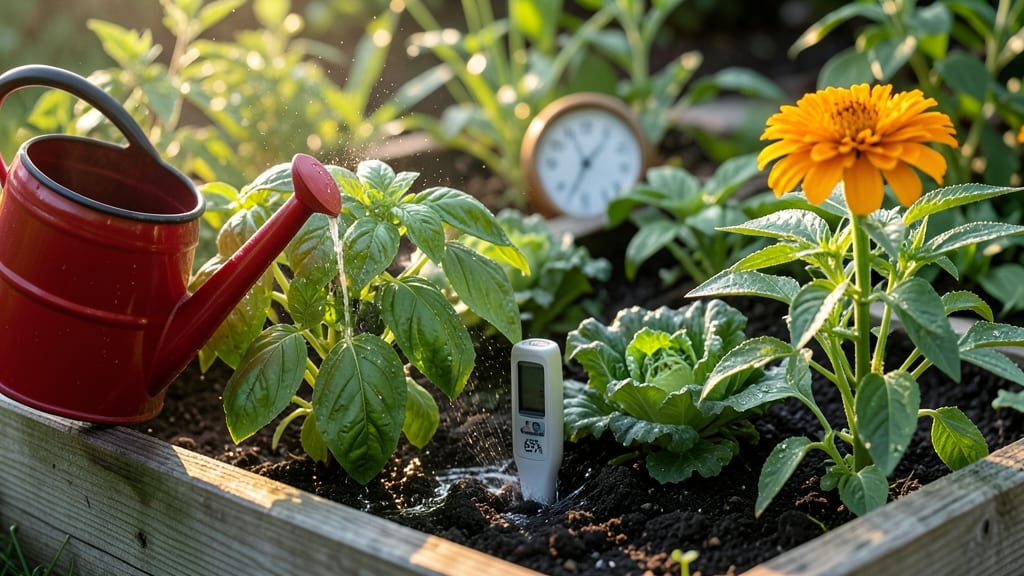
The best time to water your garden is early morning 🌱 — when temperatures are cool, evaporation is low, and roots soak up moisture before the sun peaks.
Overwatering wastes thousands of gallons yearly, yet many gardeners still guess when to water, leading to weak plants and wasted resources. The science of timing is the secret to stronger roots, fewer pests, and healthier blooms.
Morning watering gives your garden a head start: soil stays moist longer, fungal diseases retreat, and thirsty plants get the hydration they need without losing it to the afternoon heat.
Below, I’ll break down the ideal schedule by plant type, seasonal adjustments, and how to spot when you’re watering too much or too little—so you can keep your garden thriving without a drop wasted.


Why morning watering boosts root growth and cuts waste
Watering your garden at the right time isn't just about convenience—it's about maximizing plant health while minimizing water waste. When you water in the morning, you're tapping into natural plant biology and weather patterns that work in your favor.
Cooler temperatures mean less water evaporation, and plants can absorb moisture before the midday heat kicks in. This simple shift can transform your garden's growth patterns overnight.
Plants like tomatoes and peppers develop deeper root systems when watered consistently in the morning. The roots have time to expand and strengthen before the sun's intensity peaks. Meanwhile, evening watering creates a moisture trap that invites fungal diseases like powdery mildew and blight.
The science is clear: morning watering aligns with a plant's natural metabolic rhythm, giving it the best chance to thrive.
Here's the hard truth: Many gardeners waste 30-50% of their water by watering at the wrong time. That's not just bad for your water bill—it's bad for your plants. When water is applied in the heat of the day, it evaporates before roots can absorb it.
Morning watering ensures every drop counts, leading to healthier soil and stronger plants with minimal effort.
🌱
The key to morning watering lies in timing it right—before 10 AM is ideal. This window ensures water reaches the root zone before the sun's rays intensify. For container gardens, a quick check with your finger can tell you if the top inch of soil is dry.
If it is, that's your cue to water. For in-ground plants, focus on slow, deep watering to encourage roots to grow downward where nutrients are abundant.
One of the biggest myths is that more water equals healthier plants. In reality, overwatering suffocates roots by cutting off oxygen. Morning watering helps prevent this by allowing soil to replenish oxygen levels throughout the day.
I've seen tomato plants double their yield just by switching to morning watering, and their leaves stayed crisp and disease-free all season.
For drought-prone areas, morning watering becomes even more critical. The soil stays moist longer, and plants develop drought-resistant root systems. Mulching around your plants after watering can lock in moisture and reduce evaporation by up to 70%.
This combo is a game-changer for gardens in hot climates or during summer droughts.
Don't forget about plant metabolism. Most plants are most active in the morning, which is why they absorb water most efficiently then. This is especially true for leafy greens like lettuce and spinach, which can bolt or wilt if their watering schedule is off.
By aligning your watering with their natural rhythm, you're essentially giving them a daily energy boost.
If you're still skeptical, try this experiment: Water half your garden in the morning and half in the evening for a month. Compare the leaf health, growth rate, and disease resistance.
You'll likely see a noticeable difference in the morning-watered section. It's not just about when you water—it's about working with nature to create the perfect growing conditions.
💧
The ideal morning watering schedule by plant type
Not all plants thrive on the same watering schedule—some need deep soaks at dawn, while others prefer gentle hydration. Understanding your garden’s unique needs prevents root rot, wilted leaves, and water waste.
Morning watering is ideal because cooler air reduces evaporation rates by up to 30%, ensuring moisture reaches deep roots before the sun peaks.
For vegetables like tomatoes and peppers, aim for 6:00–9:00 AM when soil is cool. Flowers such as roses and hydrangeas benefit from 7:00–10:00 AM watering to support blooming. Meanwhile, lawns and succulents have entirely different needs—overwatering grass leads to fungal diseases, while succulents need drought-like conditions to thrive.
Best time: 6:00–9:00 AM
Why: Deep watering encourages root expansion and prevents blossom-end rot in tomatoes.
Drought tip: Water every 2–3 days in clay soil; reduce to every 4–5 days in sandy soil.
Best time: 7:00–10:00 AM
Why: Hydrangeas need consistent moisture for vibrant blooms; watering early prevents leaf scorch.
Clay soil fix: Use a soaker hose to avoid surface pooling.
Best time: 5:00–7:00 AM
Why: Early watering reduces fungal growth (e.g., brown patch) and promotes deep root systems.
Drought mode: Water deeply 2x/week instead of daily shallow sessions.
Best time: 8:00–10:00 AM (minimal water)
Why: Succulents store water; overwatering causes root rot. Aim for once every 2–3 weeks.
Clay soil hack: Plant in raised beds with fast-draining mix.
Adjust your schedule based on weather forecasts—skip morning watering if rain is expected within 24 hours. For container gardens, check soil moisture daily with your finger: if the top 1 inch feels dry, it’s time to water.
Mulching around plants retains moisture and reduces evaporation, cutting your watering needs by up to 40% in hot climates.
Pro tip: Use a rain gauge to track how much water your garden truly needs. Many gardeners overestimate, leading to wasted resources and soggy soil. With the right timing, your plants will reward you with stronger stems, brighter blooms, and bigger harvests—all while saving water.