
Advice
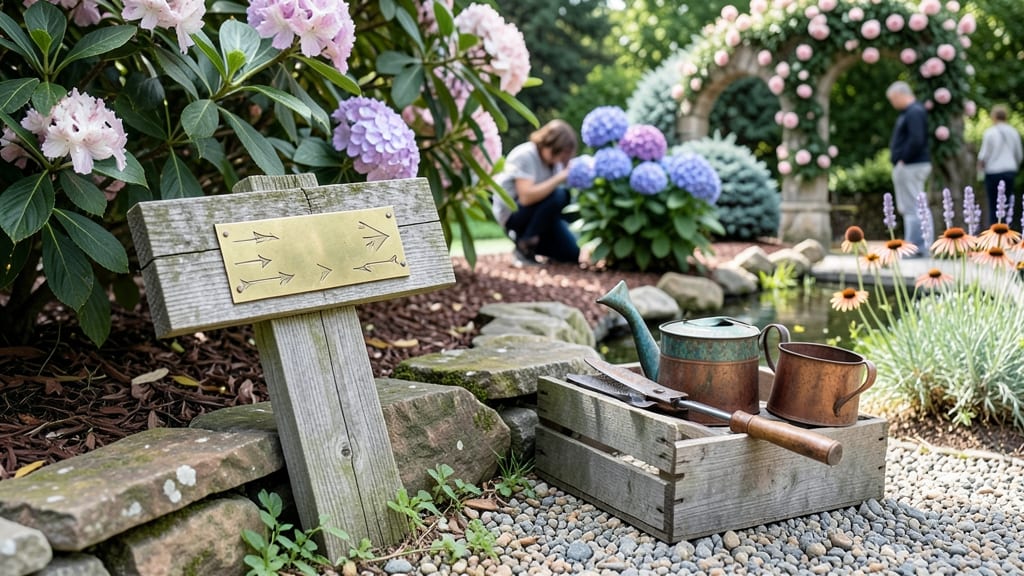
High Country Gardens is located in Santa Fe, New Mexico, at 1400 W. San Francisco St., offering a 15-acre botanical display garden open daily from 9:00 AM to 5:00 PM (closed major holidays).
Santa Fe’s high desert climate—with its crisp air, intense sunlight, and dramatic temperature swings—shapes everything at this iconic nursery. 🌵 The elevation of nearly 7,200 feet means plants must thrive with minimal water, which is why you’ll find so many drought-resistant species here.
I’ve seen firsthand how their carefully curated selection of native plants and cold-hardy perennials flourishes year-round, even through our challenging winters. This isn’t just a garden; it’s a living laboratory for adapting plants to the unique conditions of the Southwest.
The 15-acre display garden serves as both inspiration and education, with labeled sections showcasing how different plants perform in various microclimates.
Whether you’re a seasoned gardener or a curious beginner, you’ll leave with practical insights about what grows best in our region—and how to make it thrive in your own yard. The nursery’s reputation for drought-tolerant plants stems directly from this real-world testing ground.
💡 In This Article
- Santa Fe’s Climate and Its Impact on High Country Gardens’ Plant Selection
- Planning Your Visit: Hours, Admission, and Nearby Gardening Attractions
Santa Fe’s climate and its impact on high country gardens’ plant selection
The high desert climate of Santa Fe—with its average elevation of 7,199 feet—creates unique growing conditions that directly influence the plant varieties thriving at High Country Gardens.
The combination of intense sunlight (over 300 sunny days per year), low humidity, and significant temperature fluctuations (from -10°F winters to 90°F summers) demands plants with exceptional drought tolerance and cold hardiness.
This explains why you’ll find so many native species like yuccas, penstemons, and agaves that have evolved to thrive with minimal water.
What makes this climate particularly challenging is the alkaline soil common in the region, which has a pH often between 7.5 and 8.5. Many traditional garden plants struggle here, but High Country Gardens specializes in varieties adapted to these conditions.
For instance, their Russian sage (Perovskia atriplicifolia) and blackfoot daisy (Melampodium leucanthum) not only survive but flourish, thanks to deep root systems that access moisture far below the surface.
The nursery’s plant trials—where new varieties are tested for three full growing seasons—ensure only the hardiest performers make it to shelves.
Seasonal variations play a crucial role in plant selection. Spring brings rapid temperature swings (sometimes 30°F differences between day and night), which can stress delicate plants. That’s why you’ll see late-blooming perennials like blanket flower (Gaillardia) recommended—they tolerate these extremes better than early-season varieties.
Summer’s intense sunlight (up to 14 hours of direct exposure) demands plants with thick, waxy leaves or silver foliage to reflect heat, which is why lamb’s ear (Stachys byzantina) and blue fescue grass (Festuca glauca) are staples here.
The nursery’s focus on xeric landscaping (designs that use 50% less water than traditional gardens) stems directly from these climate realities. Their signature “WaterWise” plants have been selected not just for beauty but for their ability to reduce irrigation needs by up to 70% once established.
This approach mirrors the traditional Southwestern Native American gardening techniques that relied on indigenous plants requiring little supplemental water—a philosophy High Country Gardens has perfected for modern landscapes.
Visitors often notice how the display gardens are organized by microclimate zones, each mimicking different conditions found across the Southwest.
For example, the “Rock Garden” section demonstrates how plants like sedum and sempervivum thrive in rocky, well-drained soils with minimal moisture, while the “Shade Garden” features varieties that handle the limited shade available at this elevation.
This hands-on education helps gardeners replicate these successful combinations in their own yards, regardless of whether they’re in Santa Fe or another high-desert region.
One fascinating adaptation you might not expect is how High Country Gardens uses mulching strategies to combat the climate’s extremes. Their recommended 3-4 inch layer of gravel or decomposed granite helps retain moisture while preventing soil compaction—a common issue in our clay-heavy soils.
This technique, combined with their plant selections, creates landscapes that require only 1-2 deep waterings per month once established, making them sustainable choices for both residential and commercial projects.
The nursery’s success with these climate-adapted plants has even earned them recognition in water conservation programs across New Mexico. Their work demonstrates that beautiful, low-maintenance gardens aren’t just possible in harsh climates—they’re essential for sustainable landscaping in the Southwest. 🌵