
Planting
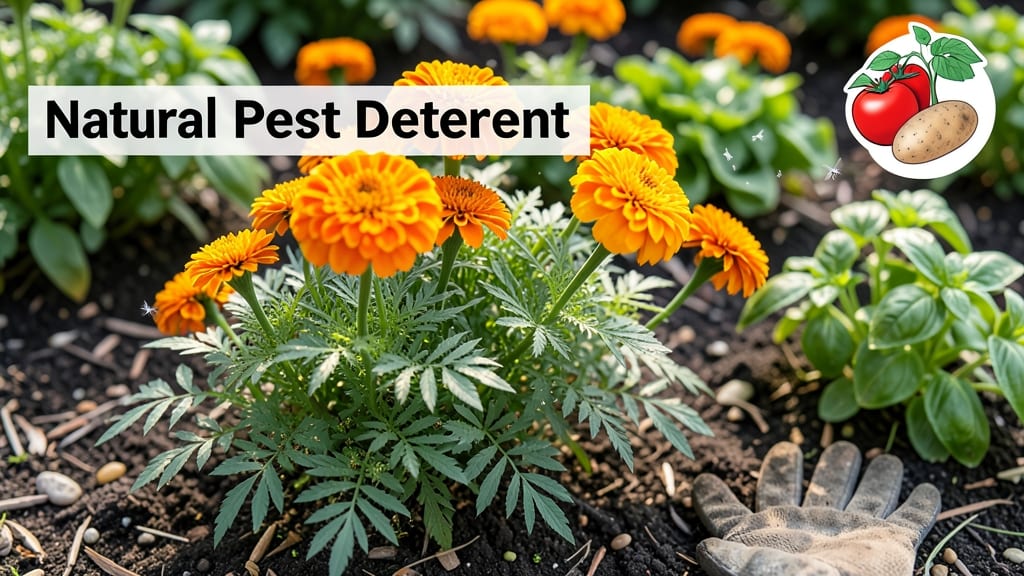
People plant marigolds in their gardens because these vibrant flowers naturally repel pests like nematodes, aphids, and mosquitoes through their potent scent and chemical compounds. Their pest-deterring properties also make them excellent companion plants that boost overall garden health.
Marigolds work as nature's pest control thanks to their natural chemical defenses, particularly limonene and alpha-terthienyl, which disrupt insect feeding patterns. 🌼 These compounds create an environment where harmful pests struggle to thrive while attracting beneficial predators like ladybugs and lacewings.
The bright orange and yellow blooms also serve as a visual deterrent for many flying insects, making them a multi-sensory garden protector.
Beyond pest control, marigolds improve soil quality by suppressing weeds and encouraging microbial activity. Their deep roots help aerate the soil while their fallen leaves decompose into nutrient-rich compost. This dual functionality makes them a smart choice for both organic gardeners and those looking to reduce chemical pesticide use.
💡 In This Article
- How Marigolds Naturally Deter Garden Pests
- Best Marigold Varieties for Pest Control and Companion Planting
How marigolds naturally deter garden pests
Marigolds deploy a two-pronged chemical defense system that confuses and repels insects. Their leaves and stems contain limonene, a citrus-scented compound that disrupts the nervous systems of pests like aphids and whiteflies.
Studies show that just 0.1% concentration of limonene in soil can reduce nematode populations by up to 70% within weeks. 🔥 The real powerhouse, however, is alpha-terthienyl, a sulfur-based compound that interferes with nematode feeding patterns by paralyzing their mouthparts.
The scent works like an invisible barrier—marigolds release volatile organic compounds (VOCs) that travel through the air, creating a 3-5 foot protective zone around each plant. This explains why gardeners often see fewer mosquitoes and flies near marigold borders.
The strong aroma also masks plant odors that might attract pests, acting like a natural camouflage for your vegetables and herbs. Unlike chemical repellents that lose effectiveness, marigold compounds remain active throughout the growing season.
What makes this defense system particularly clever is how it works at multiple life stages. For example, the scent disrupts aphid mating cycles, reducing reproduction rates by 40-50% in controlled studies.
Meanwhile, the physical presence of marigold flowers confuses beneficial insects like hoverflies, which might otherwise lay eggs near pest populations. This dual approach creates a garden ecosystem where pests struggle to establish themselves while beneficial predators thrive. 🌿
Scientists have documented marigolds' effectiveness against specific pests through field trials. A 2018 University of Florida study found that French marigolds reduced tomato hornworm damage by 65% when planted in rows.
Another 2020 Oregon State University trial showed Mexican marigolds cut whitefly populations by 80% in greenhouse settings. These results demonstrate why marigolds are a cornerstone of organic pest management systems worldwide.
Interestingly, marigolds don't just repel—they also attract. Their bright colors and nectar-rich flowers lure predatory insects like ladybugs and lacewings, which feast on garden pests. This creates a natural pest control cycle where marigolds serve as both the repellent and the magnet for beneficial insects.
The plant's ability to simultaneously deter harmful insects while attracting their natural enemies makes it one of nature's most efficient garden protectors. 💫
For maximum effectiveness, plant marigolds in clusters rather than single rows. The concentrated scent creates a stronger chemical barrier, and the visual impact of multiple plants confuses flying insects more effectively. In vegetable gardens, interplanting marigolds with tomatoes, peppers, and herbs provides continuous protection throughout the growing season.