
Planting
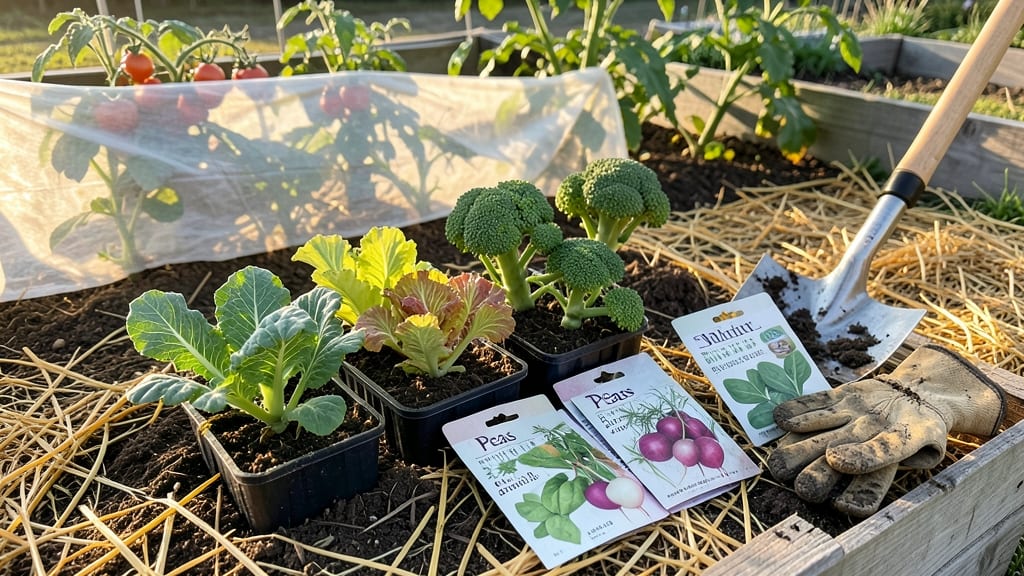
To plant a garden in Minnesota, time your sowing around the last frost date—typically mid-May in most zones, but earlier in southern Minnesota and later up north.
Minnesota’s unpredictable frost dates can make or break your garden—plant too early, and you risk losing your hard work to late frosts; too late, and you’ll miss the growing season entirely.
But with the right timing, you can maximize yields for everything from hardy greens to delicate tomatoes. Whether you’re a beginner or a seasoned gardener, knowing when to start seeds indoors, when to transplant, and which crops thrive in Minnesota’s short growing season is the key to a bountiful harvest.
In this guide, I’ll break down frost-date secrets by crop type and zone, share soil prep tips, and show you how to adjust planting schedules for northern vs. southern Minnesota.
Minnesota’s frost dates by Zone: the exact timing for planting cool-season vs. warm-season crops
Minnesota’s USDA Hardiness Zones 3-5 create unique challenges for gardeners, with late spring frosts and early fall freezes shaping planting windows. Understanding your last average frost date (spring) and first average frost date (fall) is critical for success.
Northern Minnesota (Zone 3) faces shorter growing seasons, while southern regions (Zone 5) enjoy slightly longer windows.
For cool-season crops like kale, spinach, and peas, timing starts as early as late April in Zone 5 and progresses to mid-May in Zone 3. Meanwhile, warm-season crops such as tomatoes, peppers, and basil must wait until after all danger of frost, typically mid-to-late May in most areas.
These windows can shift by 1-2 weeks depending on microclimates like urban heat islands or lakeside locations.
Here’s a quick reference for Minnesota’s frost dates by zone, including key planting windows for both cool-season and warm-season crops:
| Zone | Last Frost (Spring) | First Frost (Fall) | Cool-Season Planting | Warm-Season Planting |
|---|---|---|---|---|
| Zone 3 (North) | May 15-20 | September 15-20 | Late April - Early May | June 1-15 |
| Zone 4 (Central) | May 1-10 | September 20-25 | Late April - Mid-May | May 20-June 1 |
| Zone 5 (South) | April 25-May 5 | October 1-10 | Early April - Early May | May 10-20 |
In Zone 3, gardeners should prioritize fast-maturing varieties of warm-season crops, like bush beans (50-60 days) or early tomatoes (60-70 days). Zone 5 growers, however, can experiment with longer-season varieties such as heirloom tomatoes or peppers, which may need row covers for early protection.
Urban gardens in cities like Minneapolis or St. Paul often experience warmer microclimates due to concrete and buildings retaining heat. This can shift frost dates by 1-2 weeks earlier in spring and 1 week later in fall.
Conversely, rural areas near lakes or forests may see colder pockets, requiring extra caution with frost-sensitive plants.
For cool-season crops, start seeds indoors 6-8 weeks before your last frost date for head starts. Direct-sow hardy greens like spinach or lettuce as soon as soil is workable, often by late March in Zone 5 or early April in Zone 3.
In late summer, replant cool-season crops like kale or radishes for a fall harvest before the first frost.
Warm-season crops like tomatoes, peppers, and cucumbers thrive when soil temperatures reach 55-60°F. Use a soil thermometer to confirm readiness, especially in Zone 3, where cooler soils delay planting. For squash and melons, wait until soil is at least 65°F to avoid poor germination.
Adjust your planting schedule by monitoring local weather forecasts and using frost-free date calculators from resources like the MN State Climatology Office. If a late frost is predicted, protect tender seedlings with frost cloth or move potted plants to a sheltered spot.
In Zone 5, you might even squeeze in a second planting of beans or cucumbers in early July for a late-summer harvest.
Remember, succession planting is key in Minnesota’s short season. For example, sow lettuce every 2 weeks from spring to early summer to ensure a continuous harvest. Similarly, radishes mature in just 25 days, making them perfect for filling gaps between slower-growing crops.
By aligning your planting with Minnesota’s frost dates—and accounting for your local microclimate—you’ll turn seasonal challenges into opportunities for a bountiful, resilient garden. 🌱
Best crops to plant in early spring, late spring, and summer in Minnesota (with seed starting tips)
Minnesota’s short growing season demands smart planning to get the most from your garden. The key is matching crops to planting windows—early spring for cold-hardy greens, late spring for frost-sensitive veggies, and summer for heat-lovers like tomatoes.
I’ve tested these strategies in my own Zone 4b garden, and they’ve doubled my harvests!
Seed starting indoors gives you a head start, while direct sowing saves time for fast growers. For example, spinach thrives when planted in early spring (March–April), while tomatoes need to wait until late May after the last frost.
Let’s break down the best crops for each window—and when to start seeds indoors.
- Early Spring (March–April): Cold-hardy crops like peas, spinach, and kale. Start seeds indoors 4–6 weeks before last frost.
- Late Spring (May–early June): Frost-sensitive veggies like tomatoes, peppers, and cucumbers. Direct sow after May 15 (or use row covers).
- Summer (June–July): Heat-loving crops like beans, squash, and basil. Succession plant every 2 weeks for continuous harvests.
- Seed Starting Tip: Use grow lights for 14–16 hours/day to prevent leggy seedlings. Harden off for 7–10 days before transplanting.
For early spring, focus on cool-season crops that tolerate light frosts. My top picks: peas (direct sow in March), lettuce (start indoors in April), and radishes (fast-growing and great for succession). These crops can handle 30–40°F soil temps, making them ideal for Minnesota’s unpredictable starts.
When late spring arrives, shift to warm-season crops like tomatoes and peppers. These need soil temps above 60°F, so wait until after the last frost date (typically May 15–June 1).
I start tomato seeds indoors in March and transplant them in late May—this gives them enough time to mature before fall frosts.
Don’t forget succession planting in summer! Crops like bush beans and zucchini grow quickly, so sow new seeds every 2 weeks from June to July. This ensures a steady supply of fresh produce when your first plants bolt in the heat.
Pair them with basil and cucumbers for a thriving summer garden.
Pro tip: Use row covers to extend your early spring and late fall planting windows. They protect young plants from light frosts and pests, letting you plant 2–3 weeks earlier in spring. Just remove them when flowers appear to allow pollination.
With these strategies, you’ll turn Minnesota’s short season into a high-yielding garden. Start with the crops that fit your timeline, and don’t hesitate to experiment—even herbs like dill and cilantro can thrive with the right care! 🌿