
Pests
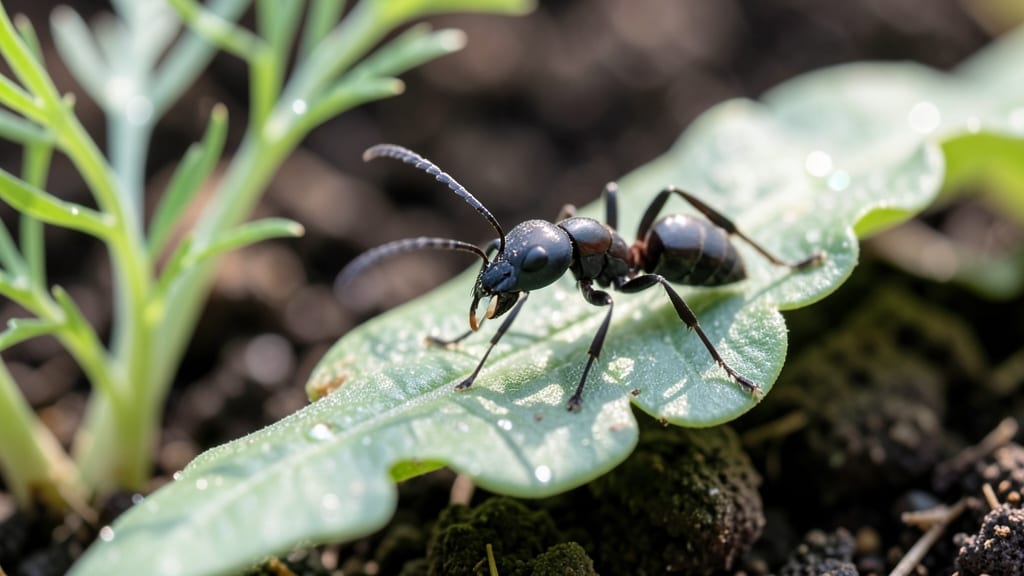
Ants will hurt your garden by sheltering pests like aphids and mealybugs while harvesting their honeydew, which starves plants of nutrients and invites more insects. Some species also disturb roots or crowd out helpful soil organisms, though they don't typically chew foliage. Stopping them early prevents lasting damage.
While ants themselves don't eat your plants, their behavior creates a hidden ecosystem of trouble. 🌱 They act as bodyguards for sap-sucking pests like aphids, protecting them from predators while collecting their sugary secretions. This honeydew buildup attracts wasps, mold, and other nuisances while coating leaves—blocking sunlight and clogging pores.
Even their foraging trails can compact soil around roots, restricting growth. The good news? Targeting their trails with natural barriers or baits disrupts this entire system quickly.
Most gardeners don't realize how ants turn their yards into pest hotels. Fire ants are particularly aggressive, digging tunnels that uproot seedlings, while argyle ants create sticky honeydew highways that smother young plants. The key is acting before you see visible damage—once these relationships form, the cleanup becomes much harder.
💡 In This Article
- How Ants Indirectly Damage Garden Plants
- 3 Fast Ant Control Methods for Gardens
How ants indirectly damage garden plants
Ants don't eat your plants, but they create a destructive support network for pests. Their most harmful behavior involves "farming" sap-sucking insects like aphids and mealybugs. These ants protect the pests from predators while harvesting their honeydew—a sugary waste product that coats leaves and stems.
This sticky residue blocks sunlight from reaching leaves, clogs plant pores, and creates a breeding ground for sooty mold, which further weakens the plant's ability to photosynthesize.
The damage compounds quickly: honeydew attracts wasps, ants, and other insects that spread disease. For example, a single aphid colony can produce 50-100 pounds of honeydew per acre annually, creating a sticky mess that smothers young shoots and attracts secondary pests.
Certain ant species, like fire ants, also disturb root systems by digging extensive tunnels that disrupt water absorption and nutrient flow in the soil.
What most gardeners overlook is how ants displace beneficial soil organisms. Their constant foraging compacts soil around roots, reducing oxygen levels and limiting beneficial microbes that help plants absorb nutrients. Some species even attack beneficial insects like ladybugs or lacewings, which would otherwise control the pests ants are protecting.
This creates a vicious cycle where your plants become increasingly vulnerable to attack.
Consider the case of argyle ants—they create visible trails that act as highways for other pests to move between plants. These trails can stretch 50 feet or more, connecting multiple garden sections and spreading infestations rapidly.
The ants' presence doesn't just protect pests; it actively facilitates their movement and reproduction, turning your garden into an ecological disaster zone.
Here's what's actually happening at the plant level: when honeydew coats leaves, it creates a physical barrier that reduces photosynthesis by up to 30% in severe cases. The mold growth from honeydew further blocks light and can lead to leaf drop.
Meanwhile, the root disturbances from tunneling ants reduce water uptake, causing wilting even when soil appears moist. The combined effects can stunt plant growth by 20-40% in heavily infested areas.
The worst part? Once this system is established, it's self-sustaining. The more ants there are, the more pests they protect, which produces more honeydew, attracting even more ants.
This is why early intervention is critical—breaking this cycle before it becomes entrenched is far easier than trying to reverse the damage later. 🌱
Think of ants as the garden's unseen saboteurs. While they might seem harmless, their indirect damage through pest protection and soil disruption can be just as harmful as direct feeding. The key is understanding their behavior patterns to implement targeted control measures before your plants show visible signs of stress.