
Container Gardens
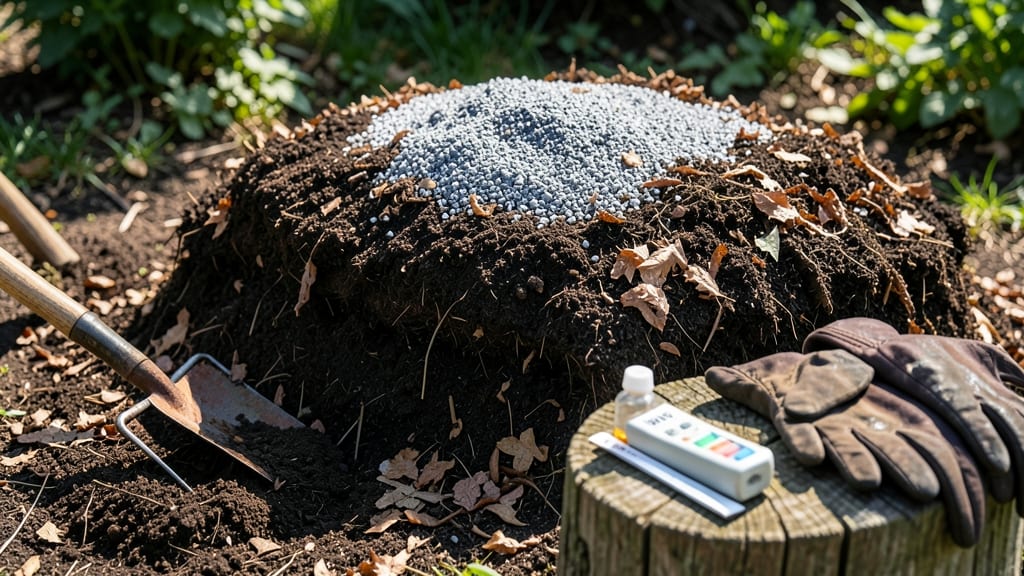
Wood ash in the garden can boost soil pH naturally by neutralizing acidity while adding potassium, but it must be used cautiously—too much can over-alkalinize the soil and harm acid-loving plants like blueberries or azaleas. Always spread it thinly and test soil pH before applying.
Wood ash works its magic by raising soil pH through its high calcium carbonate content, which reacts with acidic compounds in the soil. 🌱 This process also releases potassium and trace minerals that support plant growth, but the key is moderation—too much can create a harsh environment for delicate plants.
I've seen gardeners accidentally turn their soil too alkaline, which stunts growth in acid-loving species. The best approach? Start with a small amount (about 1-2 pounds per 100 square feet) and monitor your soil's pH regularly using a simple test kit.
For plants that thrive in neutral to slightly alkaline conditions—like lavender, rosemary, or Swiss chard—wood ash can be a game-changer. However, if you're growing acid-lovers, it's safer to skip this amendment entirely.
Pro tip: Mix the ash into the top 2-3 inches of soil rather than scattering it on the surface, which helps distribute the minerals more evenly and reduces the risk of burning plant roots.
💡 In This Article
- How Wood Ash Alters Soil Chemistry and pH Levels
- Safe Application Rates and Plants That Tolerate Wood Ash
How wood ash alters soil chemistry and pH levels
Wood ash works like a natural pH regulator because it's primarily composed of calcium carbonate (about 30-50% by weight), which reacts with hydrogen ions in acidic soil. When you spread ash, the calcium carbonate dissociates into calcium and carbonate ions.
These ions neutralize acidic compounds like aluminum and manganese, which can become toxic to plants at low pH levels.
This reaction gradually raises the soil's pH toward neutral (around 7.0), creating a more hospitable environment for many garden plants. 🌱 The process is slow but steady—typically taking weeks to months to fully stabilize.
The potassium content in wood ash (around 1-2%) is another key player, though it's less abundant than calcium. Potassium supports root development and overall plant vigor, but its contribution is secondary to the pH adjustment.
What's often overlooked is that wood ash also contains trace amounts of phosphorus and magnesium, which further enrich the soil. However, the mineral composition varies depending on the wood source—hardwoods like oak produce ash with higher calcium content, while softwoods like pine yield ash richer in potassium.
This variability means you should always test your ash's composition if you're using it regularly.
Here's where things get tricky: sudden pH spikes can damage root systems, especially in plants adapted to acidic soils. For example, blueberries thrive in soil with a pH between 4.5 and 5.5, while tomatoes prefer 6.0 to 6.8.
When you add wood ash, the pH can jump by 1.0 or more in just a few weeks, creating an environment that's too alkaline for acid-lovers. The root zone becomes stressed as the plant struggles to absorb nutrients like iron and manganese, which become less available at higher pH levels.
This is why gradual application is critical—think of it as a slow drip rather than a flood.
Consider this analogy: Wood ash is like adding baking soda to lemonade—it neutralizes the acidity, but too much makes the drink taste flat and unpleasant. The same principle applies to soil.
Most garden soils benefit from a gentle pH shift toward neutral, but sensitive plants will show signs of distress if the change is too abrupt. Leaf edges may turn brown, growth slows, or flowers fail to set.
These symptoms often appear before the soil test reveals the problem, making regular monitoring essential. 💫
To put it into perspective, a typical garden soil might start at pH 5.5 (slightly acidic). Adding 1 pound of wood ash per 100 square feet could raise the pH by 0.5 to 1.0 points over a season, depending on your soil's buffering capacity.
Sandy soils change faster than clay soils because they hold fewer nutrients and have less organic matter to resist pH shifts. This is why a soil test before and after application is your best friend—it gives you precise data to guide future amendments.
What most gardeners don't realize is that wood ash's effects extend beyond pH. The fine, gritty texture improves soil structure by aerating compacted clay soils, while the alkaline minerals help break down organic matter more efficiently.
However, this benefit comes with a caveat: over time, repeated ash applications can create a soil environment that's too alkaline, locking out essential nutrients for many plants. The key is balance—use it strategically, not as a blanket solution for all garden beds. ✨