
Planting
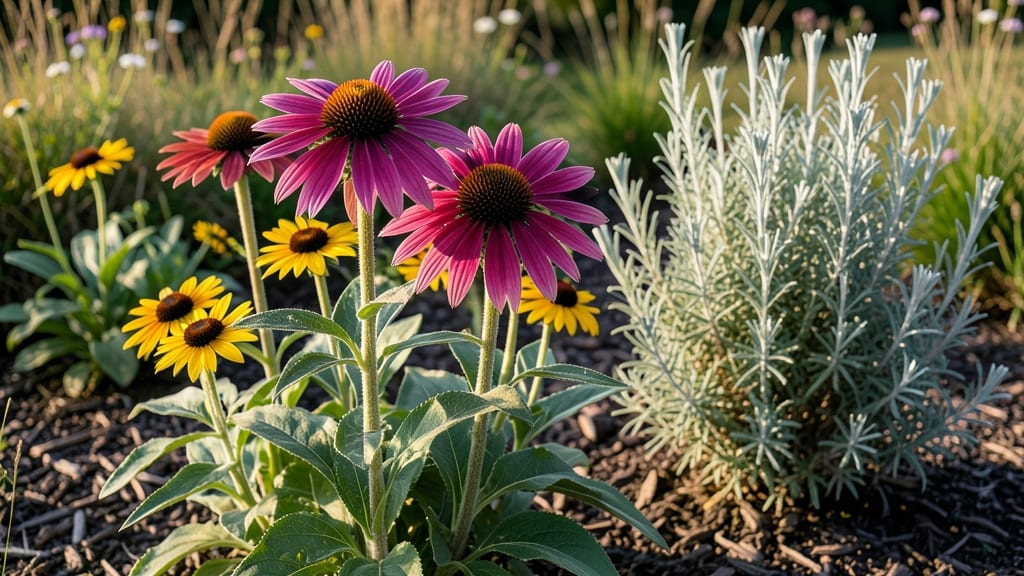
Zone three gardening succeeds with frost-tolerant plants like coneflowers and Russian sage, plus cold-hardy vegetables such as kale and spinach, while frost blankets and cold frames help preserve late-season harvests.
This approach works because Zone 3's sub-zero winters and short growing season demand plants that survive harsh conditions while still thriving. 🌱 I've found that layering protection—like using straw mulch around root crops—can add 2-3 weeks to the harvest window.
The key is matching plant hardiness zones with your microclimate, whether you're in a sheltered urban garden or an exposed rural plot.
For example, Russian sage not only survives Zone 3 winters but also blooms prolifically in early summer, providing both beauty and pollinator support. Meanwhile, cold frames can extend spinach production into November, giving you fresh greens when other gardens have already frozen over.
💡 In This Article
- Understanding Zone 3 Climate Challenges and Plant Hardiness
- Late-Season Gardening Hacks for Zone 3 Success
Understanding Zone 3 climate challenges and plant hardiness
Zone 3's climate is defined by its average annual minimum temperature of -30°F to -40°F, creating a growing season that typically lasts just 90-120 days—far shorter than warmer zones.
This extreme cold forces plants to develop specialized survival mechanisms, like antifreeze proteins in coneflowers that prevent ice crystal formation in cells. Russian sage, for instance, has deep root systems that insulate its crowns from freezing, while its silvery foliage reflects sunlight to reduce heat stress during brief summer warmth.
The USDA Plant Hardiness Zone Map assigns these ratings based on 30-year temperature averages, but microclimates create variations even within small urban gardens. A south-facing wall can add 5-10°F warmth compared to exposed areas, while low spots collect cold air.
In rural settings, open fields experience more temperature swings than wooded areas, where trees act as windbreaks and moderate extremes. 🌡️ This is why urban gardeners might successfully grow Zone 4 plants (like daylilies) in sheltered microclimates, while rural gardeners stick to true Zone 3 hardies.
For vegetables, the key is selecting varieties bred for cold tolerance. Kale, for example, actually sweetens when exposed to light frosts (thanks to starch converting to sugars), while spinach thrives at 45-65°F and bolts when summer temperatures exceed 75°F.
The secret lies in their ability to produce protective compounds that prevent cell damage—something you won't find in heat-loving tomatoes or peppers. Even root crops like carrots benefit from the cold's natural hardening effect, developing sweeter flavors when grown through fall.
Soil preparation becomes equally critical. Zone 3 gardens need well-draining, organic-rich soil that warms quickly in spring but retains moisture during dry summer spells. Incorporating 3-4 inches of compost before planting boosts microbial activity, which helps roots access nutrients even when soil temperatures hover around 40°F.
The goal is to create a buffer zone where plants can establish roots before the first hard frost—typically arriving by mid-September in most Zone 3 regions.
One often-overlooked strategy is plant spacing optimization. In cold climates, plants grow more slowly, so leaving 10-20% more space between rows prevents competition for sunlight and nutrients.
This might mean spacing broccoli plants 18 inches apart instead of the standard 12 inches, but the payoff is healthier, more productive plants that can withstand late-season frosts better. The trade-off is worth it when you're fighting for every extra week of growing time.
Consider these three key microclimate strategies for Zone 3:
- Windbreaks: Evergreen trees or shrubs reduce wind chill by 10-15°F in exposed areas
- Reflective surfaces: Light-colored mulch or gravel reflects 15-20% more sunlight onto plants
- Nighttime covers: Floating row covers add 5-8°F warmth during critical growth periods
The science behind these adaptations shows why Zone 3 gardening isn't just about survival—it's about working with nature's extremes to create thriving ecosystems. When you understand these mechanisms, you can push the boundaries of what's possible in your cold climate garden. 🌿