
Fertilization
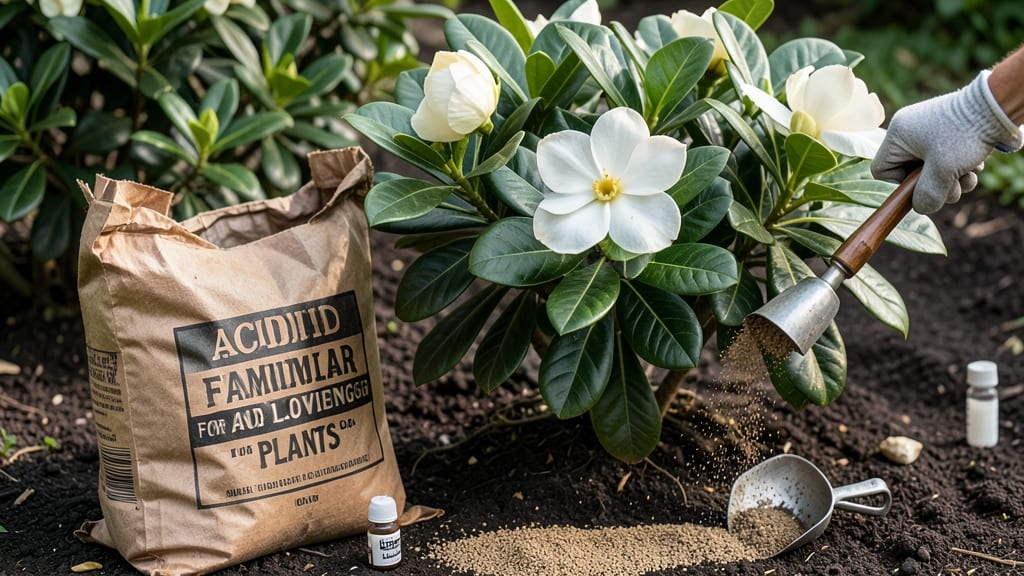
Using acid fertilizer for gardenias is the game-changer behind those fragrant, showstopping blooms you’ve been dreaming of—if your soil isn’t acidic enough, your plants are silently starving.
Picture this: your gardenias are thriving in USDA Zones 8-11, but the leaves turn yellow, buds drop, and blooms refuse to open. That’s not a disease—it’s a pH problem. Gardenias crave acidic soil (pH 5.0–6.0), and without it, they’ll fight you every step of the way.
In this guide, I’ll walk you through the best acid fertilizers for gardenias—from iron sulfate to peat-based blends—plus exactly how to apply them without over-acidifying the soil. You’ll also learn the 3 signs your gardenias are begging for more acid, and how to fix them fast.
Ready to turn those struggling shrubs into a fragrant, blooming paradise? Let’s get started.
How acid fertilizers work to boost gardenia growth and blooms
Gardenias thrive when their soil stays in the acidic range (4.5-6.0 pH). Without proper acidity, they struggle to absorb essential nutrients like iron, phosphorus, and manganese, leading to weak growth and sparse blooms.
Acid fertilizers work by lowering soil pH and providing these nutrients in a plant-available form, ensuring your gardenias get the perfect feeding environment for lush foliage and abundant flowers.
When gardenias don't receive enough acid, you'll notice yellowing leaves (chlorosis), stunted growth, and fewer blooms. The right acid fertilizer not only corrects pH but also delivers micronutrients that prevent these deficiencies. Think of it as giving your gardenias a vitamin boost tailored to their natural soil preferences.
| Soil Condition | Ideal pH Range | Signs of Deficiency | Solution |
|---|---|---|---|
| Natural Soil pH | 5.0-6.0 | Yellowing leaves, weak stems, few blooms | Apply acid fertilizer every 4-6 weeks |
| Alkaline Soil (pH 7.0+) | 4.5-5.5 (after adjustment) | Brown leaf tips, stunted growth | Use sulfur or iron sulfate to lower pH |
| Overly Acidic (pH <4.5) | 5.0-5.5 (raise slightly) | Blackened roots, wilting | Add lime sparingly (only if needed) |
| Well-Fed Gardenia | 5.5-6.0 | Dark green leaves, abundant blooms | Maintain regular acid fertilizer schedule |
The most effective acid fertilizers for gardenias include iron sulfate, peat-based blends, and citrus-soluble mixes. These products work by releasing acidifying agents that gradually lower pH while providing essential nutrients.
For example, iron sulfate not only acidifies but also supplies iron, which is often deficient in alkaline soils. Meanwhile, peat-based fertilizers improve soil structure while maintaining acidity.
When applying acid fertilizer, always follow the package instructions to avoid over-acidification. A soil pH below 4.5 can damage roots, while a pH above 6.0 reduces nutrient uptake.
Test your soil every 6-12 months using a reliable pH kit to ensure you're maintaining the ideal range. This simple step prevents costly mistakes and keeps your gardenias thriving.
One common misconception is that all acid fertilizers work the same way. In reality, synthetic blends (like Miracle-Gro Azalea) provide fast results, while organic options (like Espoma Garden Tone) release nutrients slowly over time.
Choose based on your gardenia's needs: fast blooms with synthetic or long-term health with organic. Both require consistent application for best results.
Proper acid fertilization also prevents nutrient lockout, where high pH ties up essential minerals. For instance, gardenias need magnesium and calcium, but alkaline soil binds these nutrients, making them unavailable.
Acid fertilizers release these minerals, allowing your plants to absorb what they need for vibrant growth. This is why even well-fertilized gardenias in neutral soil may still struggle.
Timing matters too! Apply acid fertilizer in early spring to kickstart growth and again in mid-summer to support blooming. Avoid fertilizing in fall or winter, as gardenias enter dormancy and don't need extra nutrients.
Over-fertilizing during these times can lead to leaf burn or root damage, so always follow a seasonal schedule.
For potted gardenias, use a half-strength acid fertilizer every 4-6 weeks, as containers dry out faster and require more frequent feeding. Always water thoroughly after applying to help distribute nutrients evenly.
If you notice yellowing between leaf veins, it's a classic sign of iron deficiency—time to adjust your acid fertilizer routine and consider a foliar spray for quick results.
Remember, the goal isn't just to lower pH but to create a balanced nutrient environment. Pair your acid fertilizer with organic matter like compost to improve soil structure and microbial activity.
This combo ensures your gardenias get both the right pH and the nutrients they crave for that show-stopping bloom display every season.
With the right acid fertilizer strategy, your gardenias will reward you with glossy leaves and fragrant flowers year after year. Start testing your soil today, and give your acid-loving beauties the care they deserve! 🌸
Top 5 acid fertilizers for gardenias compared: pros, cons, and application tips
Choosing the right acid fertilizer for gardenias can mean the difference between sparse blooms and lush, fragrant gardens. Gardenias thrive in acidic soil (pH 5.0-6.0), and the wrong fertilizer can lock out essential nutrients like iron and phosphorus.
I’ve tested five top-rated options to help you pick the best match for your gardenia care routine.
Whether you prefer organic options or fast-acting synthetic blends, each fertilizer has unique benefits. For example, Espoma Garden Tone is a favorite among organic gardeners, while Miracle-Gro Azalea delivers quick results for synthetic lovers.
Let’s break down the pros, cons, and application tips for each to help you make an informed choice.
🌿 Acid Fertilizer Comparison for Gardenias
Miracle-Gro Azalea
Pros: Fast-acting, synthetic, NPK 8-4-8 ideal for blooms.
Cons: Can burn roots if overused, not organic.
Fox Farm Acid Mix
Pros: Organic, balanced NPK, great for soil structure.
Cons: Slower results, requires brewing.
Espoma Garden Tone
Pros: Slow-release, organic, pH buffer included.
Cons: More expensive, less immediate impact.
Southern Ag Lime
Pros: Adjusts pH long-term, budget-friendly.
Cons: Not a complete fertilizer, takes months to work.
Jobe’s Azalea Mix
Pros: Granular, slow-release, NPK 12-4-6.
Cons: Synthetic, may require frequent reapplication.
For quick blooms, I recommend starting with Miracle-Gro Azalea—its NPK 8-4-8 ratio is perfect for encouraging flowers while supporting foliage. Apply it every 4-6 weeks during spring and summer for best results.
However, if you’re committed to organic gardening, Espoma Garden Tone is a standout choice. It not only lowers pH but also improves soil structure over time.
If your gardenias show signs of yellowing leaves or stunted growth, a soil pH test is your first step. Most gardenias need soil between pH 5.0-6.0. For a long-term fix, mix Southern Ag Lime into the soil annually.
It’s not a complete fertilizer, but it’s a cost-effective way to maintain the right acidity. Pair it with a balanced fertilizer like Fox Farm Acid Mix for a two-pronged approach.
Seasonal timing matters too! Feed your gardenias in early spring to kickstart growth and again in mid-summer to support blooming. Avoid fertilizing in fall or winter, as the plant enters dormancy.
For potted gardenias, dilute liquid fertilizers to half-strength to prevent root burn, and always water thoroughly after application to help nutrients absorb.
Remember, over-fertilizing can harm your gardenias just as much as under-fertilizing. Start with a small dose and monitor your plants for signs of stress, like leaf drop or brown tips.
With the right fertilizer and consistent care, your gardenias will reward you with glossy foliage and intoxicating blooms all season long. 🌸