
Fertilization
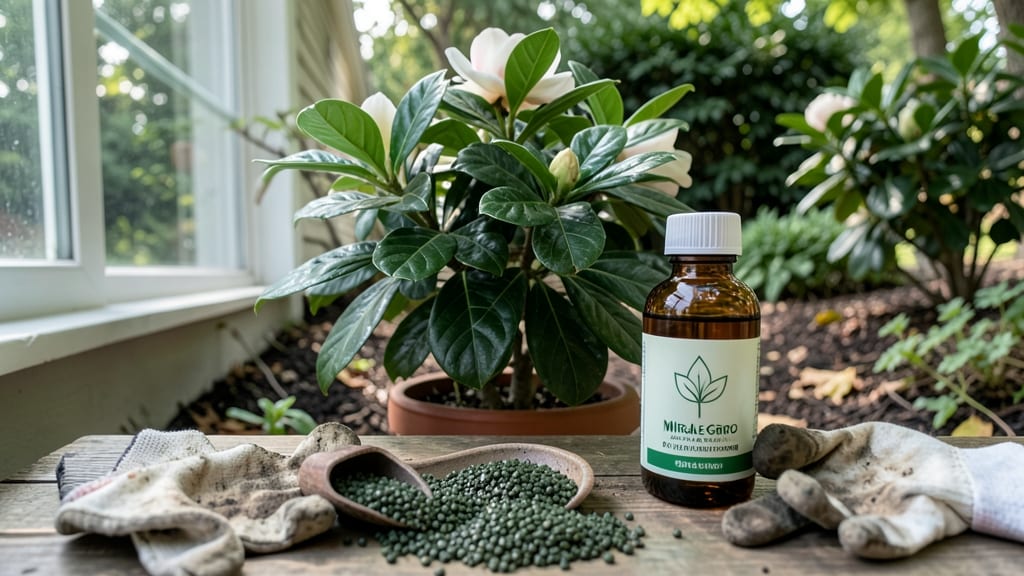
Fertilizing gardenias in pots with the right fertilizer for gardenias in pots is the key to those glossy, fragrant blooms you’ve been dreaming of 🌸 — and skipping it often means sparse flowers or yellowing leaves, no matter how much you water.
Picture this: you’ve spent months nurturing your potted gardenia, only to watch it throw out a handful of buds before fading back into dull green foliage. The problem isn’t your watering habits or sunlight—it’s the fertilizer.
Gardenias crave acidic, iron-rich food, and most store-bought blends won’t cut it. Without the right mix, even the hardiest plants struggle to thrive in containers.
In this guide, I’ll walk you through the best fertilizer types for potted gardenias, from organic options like pine needles to synthetic blends with the perfect pH. You’ll learn when to feed (and when to stop), how to spot over-fertilization, and even DIY recipes to keep your plant happy without breaking the bank.
By the end, your gardenia will be bursting with blooms year-round—no more guessing games. Let’s get started.
Best acid-loving fertilizers for potted gardenias (with pH requirements)
Potted gardenias thrive when their acidic soil needs are met, but standard fertilizers often fail because they raise pH levels. Gardenias prefer a pH range of 5.0–6.5, and using the wrong fertilizer can cause yellowing leaves or poor blooming.
The key is choosing acid-loving fertilizers with balanced nutrients and low pH, or organic amendments that naturally acidify the soil.
Most gardeners make the mistake of using high-nitrogen lawn fertilizers, which burn roots and disrupt blooming. Instead, focus on fertilizers designed for azaleas, rhododendrons, or camellias—they share the same acidic soil preferences.
Below, we compare the best organic and synthetic options, including their NPK ratios, pH impact, and application tips to keep your gardenias flourishing.
Why pH matters: Gardenias absorb nutrients like iron and magnesium only in acidic conditions. A pH above 6.5 locks out these essential minerals, causing chlorosis (yellow leaves with green veins). Testing your soil’s pH with a digital meter or test kit (available at garden centers) is the first step to success.
Here’s how to choose the right fertilizer for your potted gardenias, including organic slow-release and synthetic liquid options, plus when to apply each for maximum blooms.
| Fertilizer Type | NPK Ratio | pH Impact | Best For | Application Rate |
|---|---|---|---|---|
| Citrus Bloom (Synthetic) | 15-5-15 + micronutrients | Acidifying (pH 5.5–6.0) | Bloom boost, fast results | 1 tbsp/month (diluted) |
| Iron Sulfate (Organic) | 0-0-0 (iron source) | Lowers pH (0.5–1.0 units) | Chlorosis correction | 1 tsp/gal water (monthly) |
| Peat-Based Fertilizer (Organic) | 3-1-2 | Maintains pH 5.0–6.5 | Slow-release growth | 2 tbsp/plant (spring) |
| Fish Emulsion (Organic) | 5-1-1 | Slightly acidic (pH 6.0) | Foliar feed, root growth | 1 tbsp/gal water (biweekly) |
| Azalea/Camellia Mix (Synthetic) | 8-3-9 | Acidic formulation | Year-round blooms | 1 tbsp/plant (every 6 weeks) |
For organic gardeners, peat-based fertilizers and fish emulsion are excellent choices because they mimic natural soil conditions. Peat moss naturally lowers pH, while fish emulsion provides nitrogen without altering acidity.
If your gardenias show iron deficiency (yellow leaves), iron sulfate is a quick fix—just mix it into the soil or water.
Synthetic options like Citrus Bloom or Azalea Mix are ideal for gardeners who want fast, reliable blooms. These fertilizers include micronutrients like magnesium and zinc, which gardenias crave. Always follow the label’s dilution instructions to avoid root burn, especially in small pots where concentration matters.
If your gardenia’s soil pH is too high, you can lower it naturally by adding sulfur or pine needles to the pot. For a quick test, place a few drops of vinegar on the soil—if it fizzes, your pH is already acidic.
If not, it’s time to amend with an acidifying fertilizer.
Pro tip: Flush the
Step-by-step feeding schedule for potted gardenias (spring to winter)
Potted gardenias thrive when fed with a precise schedule that matches their natural growth cycles. Unlike garden beds, containers drain quickly and lack organic matter, so consistent feeding is essential. I’ve learned that over-fertilizing in winter or skipping spring feeds can turn lush blooms into sparse, weak growth.
Let’s break down the monthly routine that keeps my gardenias perfuming the patio all season.
Start with a soil pH test—gardenias crave acidic soil (5.0-6.5). If your mix is neutral, amend with sulfur or peat moss before applying fertilizer. I use a liquid acidic fertilizer (like Citrus Bloom) diluted to half-strength for the first feeding, which prevents root burn.
Always water thoroughly before and after applying fertilizer to protect delicate roots.
🌿 Monthly Feeding Schedule for Potted Gardenias
- March: Light feed with diluted acidic fertilizer (¼ strength) to wake roots. Focus on phosphorus for bud formation.
- April-June: Full-strength feed every 4 weeks. Use a 10-10-10 or 8-3-9 NPK ratio fertilizer. Reduce to half-strength if leaves yellow.
- July-August: Light feed monthly (½ strength) to avoid leaf burn from summer heat. Prioritize potassium for bloom strength.
- September: Final feed of the year—use a low-nitrogen fertilizer to harden off plants before dormancy.
- October-November: No fertilizer. Gardenias enter dormancy; feeding now risks root damage and fungal growth.
- December-February: Flush soil with rainwater or distilled water to remove salt buildup. Avoid fertilizing—roots rest during winter.
🌱 Pro Tip: Adjust frequency in hot climates (feed every 6 weeks) or cool zones (extend spring feeding to July).
For container-specific care, I’ve found that small pots (under 12 inches) need more frequent feeding (every 3 weeks) because nutrients leach out faster. Always choose a slow-release fertilizer like Osmocote for steady nutrition.
If your gardenia’s leaves turn brown at the edges, it’s a sign of salt buildup—flush the soil immediately with 2-3 gallons of water.
One critical mistake I’ve seen (and made!) is over-fertilizing in winter. Gardenias store energy for spring blooms, and winter feeding forces weak, sparse growth. Instead, focus on pruning dead blooms and reducing watering to simulate natural dormancy. This patience pays off with vibrant spring blooms.
To boost blooms, I add a monthly foliar spray of diluted fish emulsion (1 tsp/gallon) during April-June. This provides extra micronutrients like magnesium and iron, which gardenias love.
Pair this with morning sunlight and high humidity (mist leaves daily), and your potted gardenia will reward you with double the fragrance.
Remember, consistency is key. Skipping even one feeding in spring can delay blooming by weeks. I keep a gardening journal to track feeding dates, bloom counts, and leaf health—it’s helped me refine this schedule over years.
With this routine, my gardenias now bloom from May through September, filling the air with their intoxicating scent.