
Landscaping
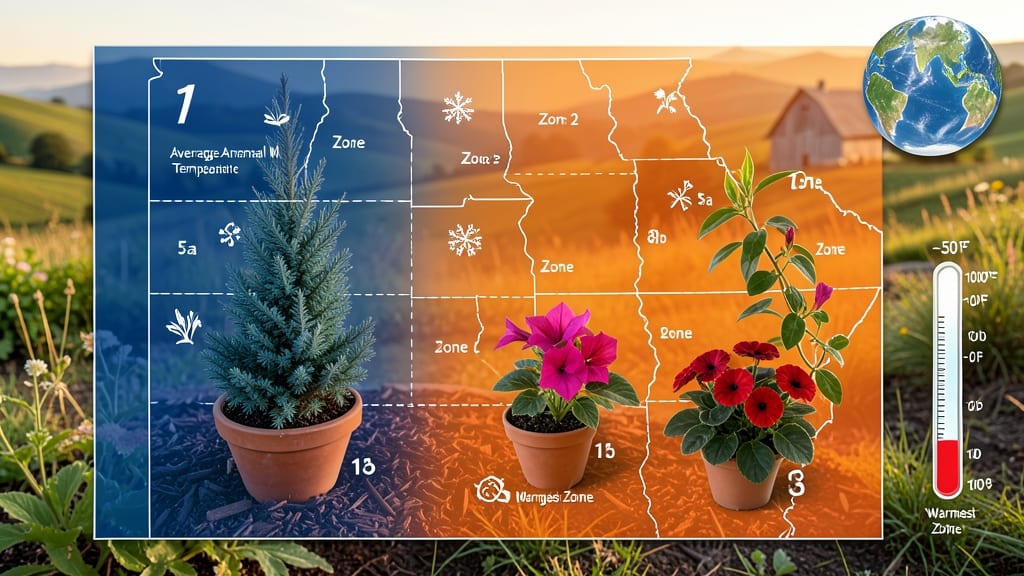
American garden zones determine your region’s climate and frost tolerance, helping you select plants that thrive in your area’s coldest winter temperatures. Use the USDA Plant Hardiness Zone Map to identify your zone by ZIP code or latitude, then match plants to their recommended zones for successful growth.
Understanding your American garden zones is like having a climate decoder for your yard.
These zones, based on average annual minimum temperatures, tell you which plants can survive your winters—think of them as a plant survival guide. 🌱 For example, a Zone 5 garden (like much of the Midwest) can handle plants that survive down to -20°F, while Zone 10 (Southern California) thrives in 30°F+ conditions.
The USDA updates these zones every 10 years to reflect shifting climate patterns, so checking the latest map ensures you're planting with the most accurate data.
Once you know your zone, you can avoid costly mistakes like planting tropical ferns in Minnesota or struggling with drought-sensitive succulents in Arizona. Pro tip: Microclimates—like sunny south-facing walls or sheltered garden nooks—can push plants one zone warmer or colder than the official map suggests.
For container gardening in extreme zones, choose cold-hardy varieties or move pots indoors during frost alerts.
💡 In This Article
- How USDA Plant Hardiness Zones Define Growing Conditions
- Practical Steps to Locate Your Garden Zone and Choose Plants
How USDA plant hardiness zones define growing conditions
The USDA Plant Hardiness Zone Map divides North America into 13 zones based on the average annual minimum temperature—the coldest temperature a region typically experiences.
Each zone spans a 10°F range, with Zone 1 being the coldest (-60°F to -50°F) and Zone 13 the warmest (100°F to 110°F). This system helps gardeners predict which plants will survive winter, as most plants can tolerate cold but not prolonged freezing.
For example, a Zone 5 plant (like a hardy peony) can survive -20°F winters, while a Zone 9 plant (like a bougainvillea) wilts below 25°F. 🌡️
Zones are calculated using 30 years of climate data, with the most recent 2012 update reflecting warming trends—many areas have shifted one or two zones warmer since the 1990 map. The map also accounts for elevation changes, as temperatures drop about 3.5°F per 1,000 feet gained.
For instance, Denver (Zone 5) feels colder than sea-level cities at the same latitude. Microclimates—like urban heat islands or sheltered valleys—can further adjust plant survival by 5°F or more, making local observations essential.
Understanding these zones prevents common gardening pitfalls. Planting a Zone 7 rose in a Zone 4 garden risks winter die-off, while a Zone 10 citrus tree in Zone 6 will struggle unless grown in containers that can be moved indoors.
The map’s precision helps gardeners balance ambition with realism—pushing zone limits requires extra care, like mulching or windbreaks, to protect tender plants.
For example, a Zone 6 gardener (like those in Chicago) can grow cold-hardy vegetables such as kale (-20°F tolerance) but must protect tomatoes (32°F limit) with row covers. Meanwhile, a Zone 10 gardener in Miami can grow year-round tropicals like hibiscus but must avoid frost-sensitive plants like snapdragons.
The zones act as a baseline, but local weather patterns—like early frosts or heatwaves—often demand further adjustments.
Climate change is reshaping these zones faster than expected. Since 2012, some areas have warmed enough to shift into higher zones—like parts of the Northeast moving from Zone 5 to Zone 6.
This means older gardening books may no longer apply, and gardeners must consult updated maps or use tools like the USDA Interactive Zone Finder to stay current. The science behind these zones isn’t just about cold tolerance; it’s about predicting plant stress and survival in a changing world.
Here’s how zones translate to real-world gardening: A Zone 5 gardener can grow Russian hardy kiwi (which survives -22°F) but must choose cold-hardy apple varieties like ‘Liberty’ over tropical fruits.
In contrast, a Zone 9** gardener can grow citrus trees outdoors year-round but must protect them from rare cold snaps with frost cloth. The zones simplify complex climate data into actionable advice, making gardening more predictable and successful. 🌿