
Pests
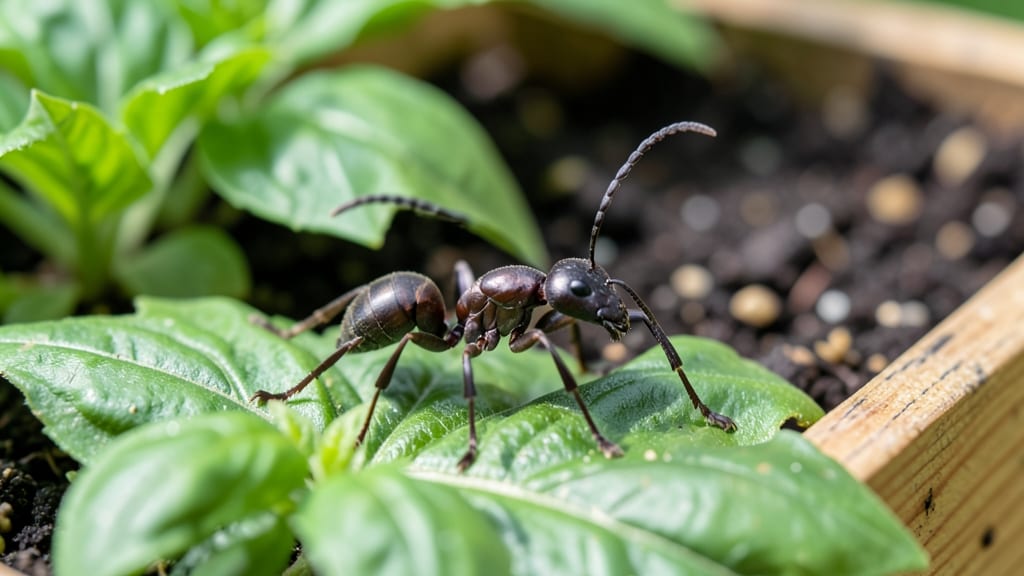
Ants in raised garden beds often seek moisture and sugar sources, but they aerate soil and control pests like aphids. Use natural deterrents like diatomaceous earth, citrus peels, or cinnamon to repel them without harming plants or beneficial insects.
Ants in raised beds aren't just pests—they play a dual role by breaking up compacted soil and preying on harmful insects like aphids. 🔥 However, their presence can become problematic when they raid your plants for sap or nectar, especially during harvest season.
The key to managing them lies in understanding their behavior: they're drawn to damp soil and sweet plant debris, which is why raised beds often become hotspots. Instead of chemical sprays that harm your garden's ecosystem, focus on disrupting their food chain and access points.
A little cinnamon around the bed's edge or crushed citrus peels scattered along pathways can send them packing without collateral damage.
For a more permanent solution, consider modifying the bed's environment. Reduce overhead watering that keeps soil moist for long periods, and remove fallen fruit or flower debris promptly. These small adjustments create an inhospitable environment while maintaining the ecological balance your garden needs.
💡 In This Article
- Why Ants Invade Raised Garden Beds
- Long-Term Natural Ant Control Methods for Raised Beds
Why ants invade raised garden beds
Raised garden beds create an ant paradise because they combine three key attractants: moisture, sugar sources, and shelter.
The elevated design allows ants to nest in the wood or soil without ground predators like birds reaching them, while the contained soil retains moisture longer than open ground. 🔥 What's more, raised beds often contain plants that produce nectar or honeydew—like aphid-infested vegetables—which ants actively farm for their sweet rewards.
Unlike open garden plots where ants might face more competition, raised beds offer them exclusive real estate with minimal disturbance.
The science behind their invasion starts with their diet. Ants are omnivores that seek three main things: water, protein, and carbohydrates. In raised beds, they find all three in abundance.
For example, a single aphid colony can produce 100 times its weight in honeydew daily, creating a sugar-rich buffet that attracts worker ants within minutes. Meanwhile, the moist soil—especially after watering—provides the hydration they need.
Even organic matter like fallen leaves or compost becomes a protein source as ants break it down. The result? A self-sustaining ant colony that grows rapidly in ideal conditions.
There's a silver lining to their presence, though. Ants serve as natural pest controllers by preying on insects like aphids, whiteflies, and even small caterpillars. Their tunneling activity also aerates compacted soil, improving root growth.
The challenge lies in balancing their benefits with their drawbacks—like raiding your fruit or disturbing seedlings. 🌱 What most gardeners don't realize is that ants don't randomly invade; they follow clear trails marked by pheromones, which means their presence is often a sign of underlying issues like overwatering or neglected plant debris.
Addressing these root causes can reduce their numbers without eliminating them entirely.
Consider the case of fire ants, which are particularly aggressive in raised beds. These species release alarm pheromones when threatened, recruiting hundreds of workers to defend their colony. Their mounds can disrupt plant roots and even damage wooden bed frames over time.
However, even these invasive species contribute to soil turnover—though their benefits rarely outweigh the harm they cause. The key difference between beneficial ants (like pavement ants) and pests lies in their behavior: beneficial ants focus on pest control, while invasive species prioritize expansion and defense.
Seasonal factors also play a role. Ants are most active during warm, humid periods—typically spring through early fall. In raised beds, this means their populations peak when your plants are most vulnerable.
For example, during late summer, when tomatoes and peppers are ripening, ants become more aggressive in their foraging. This timing coincides with when gardeners are most frustrated by their presence, making it crucial to implement deterrents before their numbers explode.
Understanding this seasonal pattern helps explain why ant problems seem to appear suddenly and then vanish just as quickly—it's not random, it's biology.
One often-overlooked aspect is how ants use raised beds as highways. Worker ants create trails between the bed and nearby structures, using these pathways to transport food back to their colony.
These trails are typically invisible but can be revealed by sprinkling flour along potential paths—ants will march through it, creating a visible route. 🚫 Breaking these trails is a simple but effective way to disrupt their operations, as ants rely on pheromone markers to navigate.
This behavior explains why ants might seem to appear overnight: they're following established routes rather than randomly exploring.