
Vegetables
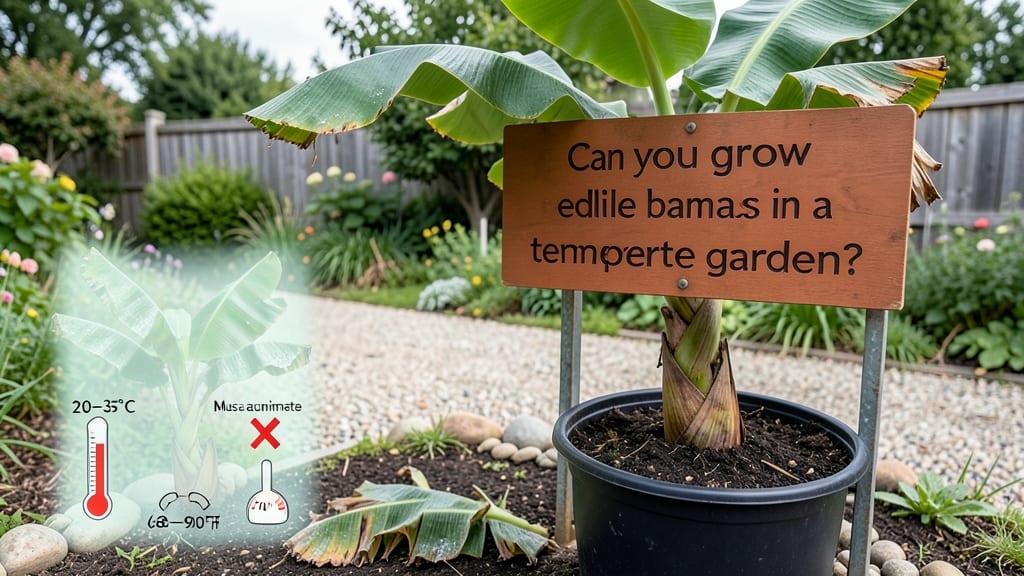
The myth about planting banana peels in the garden to boost growth isn't backed by science—while they contain potassium, the amounts are too small to meaningfully fertilize soil. Their best use is composting with other organic materials to create nutrient-rich soil amendments.
Banana peels might seem like a gardener's secret weapon, but their potassium content is minimal compared to what plants actually need. 🌱 What's more effective? Using them as part of a balanced compost pile where they break down with other organic matter like coffee grounds or eggshells.
This creates a more potent soil booster than peels alone could ever provide.
Many gardeners swear by the myth because they observe plants growing near discarded peels, but this is often coincidental—plants thrive when they have proper sunlight, water, and well-amended soil, not just from a single nutrient source.
For real growth benefits, consider dedicated composting methods or commercial organic fertilizers designed specifically for your plants' needs.
If you're determined to use banana peels, chop them into smaller pieces first to speed up decomposition. Mix them with nitrogen-rich materials like grass clippings to create a more balanced compost blend.
This way, you're still contributing to your garden's health without relying on the misconception that peels alone will work wonders.
💡 In This Article
- Why the Banana Peel Garden Myth Persists
- Better Organic Fertilizers for Garden Growth
Why the banana peel garden myth persists
A banana peel contains about 0.42 grams of potassium per 100 grams of peel—far less than what plants need for significant growth.
For comparison, a single ripe banana has roughly 320 milligrams of potassium, while a tablespoon of commercial potassium fertilizer (like potassium sulfate) delivers 1,000 milligrams or more.
The myth likely stems from potassium being the third macronutrient plants need (after nitrogen and phosphorus), but quantity matters just as much as presence.
The potassium in banana peels is also bound in complex organic compounds that decompose slowly.
When buried directly in soil, these compounds don’t release potassium quickly enough to benefit plants. 🌱 Horticultural studies show that even when peels decompose, they contribute only 1-2% of a plant’s potassium needs—far too little to justify the effort.
What’s more, the peel’s high water content (around 75% by weight) can actually make soil too moist, risking root rot if not balanced with other materials.
What most gardeners don’t realize is that banana peels also contain tannins and lignins, compounds that slow decomposition and can inhibit microbial activity in the soil. These create a barrier that prevents the peel from breaking down efficiently, leaving it as a slow-release nutrient source at best.
The myth persists because gardeners often see plants growing near discarded peels, but this is usually due to the overall health of the soil—not the peels themselves.
Soil science explains this clearly: plants need a balanced ratio of nitrogen, phosphorus, and potassium (NPK), along with micronutrients like calcium and magnesium. A single banana peel provides negligible amounts of these, while commercial fertilizers or well-composted organic matter deliver them in the right proportions.
For example, a cup of composted banana peels mixed with equal parts coffee grounds (for nitrogen) and eggshells (for calcium) creates a far more effective soil amendment than peels alone.
Even when composted, banana peels must be combined with other materials to create a nutrient-rich blend. Their potassium content becomes meaningful only when part of a larger, balanced ecosystem in the compost pile. Without this, the peels remain a minor contributor to soil health—hardly the garden game-changer the myth suggests.
Consider this: a single banana peel buried in the soil might take 6 months to a year to decompose fully, releasing only trace amounts of potassium.
Meanwhile, a handful of wood ash (a common garden amendment) can provide up to 10 times more potassium per gram—and it decomposes almost instantly. The key takeaway?
Banana peels are better suited for composting than direct planting, where their nutrients can be harnessed as part of a larger, more effective soil-building strategy.