
Vegetables
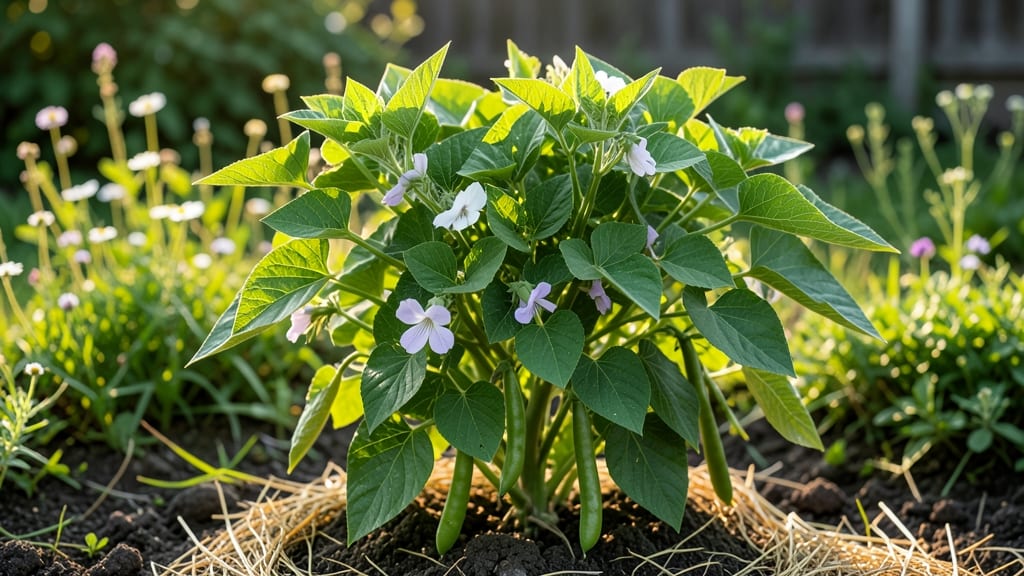
Garden beans and green beans are the same plant—just harvested at different stages. Green beans are picked young and tender, while garden (or snap) beans mature slightly larger with firmer pods. You can swap them in recipes based on your preferred texture and dish requirements.
At their core, these beans are both varieties of Phaseolus vulgaris, the common bean plant.
The key difference lies in harvest timing: green beans are plucked when pods are still thin and crisp, while garden beans develop thicker walls and a slightly sweeter, more mature flavor. 🌱 This maturity shift also affects cooking methods—green beans often blanch well, while garden beans hold up better to roasting or stir-frying.
If you're gardening, you can even harvest the same plant at both stages for maximum versatility!
For home cooks, this means you can substitute one for the other, but pay attention to texture. Need extra crunch? Use green beans. Want a heartier bite? Opt for garden beans. Many recipes, like sautéed bean dishes or soups, work beautifully with either—just adjust cooking times slightly if swapping varieties.
💡 In This Article
- Botanical Differences Between Green and Garden Beans
- When to Substitute Green Beans for Garden Beans (and Vice Versa)
Botanical differences between green and garden beans
The distinction between green and garden beans starts at the cellular level in the Phaseolus vulgaris plant. When pods are harvested at 4-5 inches long and still tender, they're classified as green beans.
At this stage, the pod walls are thin (1-2 millimeters) and the seeds inside are barely visible—just tiny, undeveloped embryos. This early harvest ensures maximum crispness, with pods containing about 85-90% water content, making them ideal for quick cooking methods like steaming or stir-frying.
Garden beans, also called snap beans, are the same plant allowed to mature slightly longer—typically 5-7 inches with thicker walls (2-3 millimeters). The seeds inside grow larger but remain undeveloped enough to stay tender.
What changes is the pod's structure: the cell walls thicken through a process called lignification, adding natural sweetness and a firmer bite. 🌱 The sugar content increases by about 15-20% compared to green beans, which is why garden beans often have a more pronounced, almost nutty flavor when cooked properly.
Here's where the science gets interesting: the plant's natural growth hormones shift focus from pod expansion to seed development after about 21-28 days of flowering. If you let the pods mature further, they'll become string beans (with fibrous strings along the seams) or dry beans (hard seeds).
But at the garden bean stage, you're capturing that sweet spot where the pod is still edible but has developed enough structure to hold its shape during longer cooking.
Color differences also provide clues. True green beans maintain their vibrant green hue thanks to chlorophyll, while garden beans often develop a slightly yellowish tint near the seams as carotenoids form during maturation.
This color shift isn't about ripeness gone bad—it's a natural biochemical process where the plant redirects energy from growth to seed development. The yellowing actually indicates the bean is at peak flavor for garden/snap varieties.
For gardeners, this means you can harvest the same plant at both stages. Start picking green beans when pods are 3-4 inches long, then let some mature another 7-10 days for garden beans.
The same plant can produce both varieties if you time your harvests correctly—just watch for the telltale thickening of the pod walls and slight yellowing near the seams. This dual-harvest strategy maximizes your yield while giving you both textures in your kitchen.
What most people don't realize is that these maturity differences affect cooking behavior too.
Green beans' high water content means they'll wilt faster when overcooked, while garden beans' thicker walls can handle longer cooking without becoming mushy. 💫 This is why garden beans often appear in recipes that require more substantial texture, like in pasta dishes or as a base for bean salads where they need to hold their shape.